Bringing home two puppies from the same litter often feels like a heartwarming double blessing, yet many households soon encounter unexpected tension.
According to the American Kennel Club, adopting two puppies simultaneously significantly increases the likelihood of behavioral complications if proper developmental steps are missed. Many families assume that sibling pairs will naturally entertain one another and grow up as inseparable companions. In actual practice consulting rooms, professional behaviorists frequently observe that raising two pups side-by-side introduces distinct psychological hurdles that single-pup households rarely experience. Understanding these dynamics early on helps prevent severe household conflict and fosters a peaceful, balanced multi-dog environment. Explore more in our Pets collection.
💡 Pet Care Key Takeaways:
- Core Focus: Practical health, nutrition, and wellness guidelines for Litter Mate Dogs Figting.
- Target Scope: Pet owners, animal caregivers, and veterinary support staff.
- Best Recommendation: Maintain consistent daily routines and consult an accredited veterinarian before introducing major diet or medical changes.
Litter mate dogs fighting refers to a complex behavioral phenomenon known as littermate syndrome, combined with intense sibling rivalry.
This specific behavioral pattern occurs when dogs raised together become overly dependent on one another while simultaneously lacking social skills with outsiders and other dogs. Instead of forming secure, independent attachments to human family members, the puppies form an insular bond that frequently breaks down into sudden, severe aggression as they mature. As adolescence approaches, hormonal shifts and competition for resources trigger fierce altercations between the animals. Without intervention, these disputes escalate from minor scuffles into dangerous, injurious battles that threaten the safety of every household resident. For more related activities, check out our Puppy Scratches Furriously At Crate Floor.
Unmanaged sibling aggression severely compromises the emotional well-being and physical safety of both animals involved in the conflict.
Chronic stress floods the canine body with cortisol, leading to sustained anxiety, weakened immune responses, and unpredictable reactivity. When dogs live in a constant state of tension with their primary housemate, their baseline anxiety spills over into everyday interactions with people. Furthermore, physical injuries sustained during severe fights often require veterinary medical attention, ranging from torn ears to deep puncture wounds. This ongoing stress drastically reduces their quality of life and makes routine household management exceptionally challenging for caregivers.
Chronic sibling aggression can lead to sustained behavioral stress and severe physical injuries requiring professional intervention. — American Kennel Club
Resolving and preventing conflict between closely bonded canine siblings requires a structured approach focused on independence and positive reinforcement.
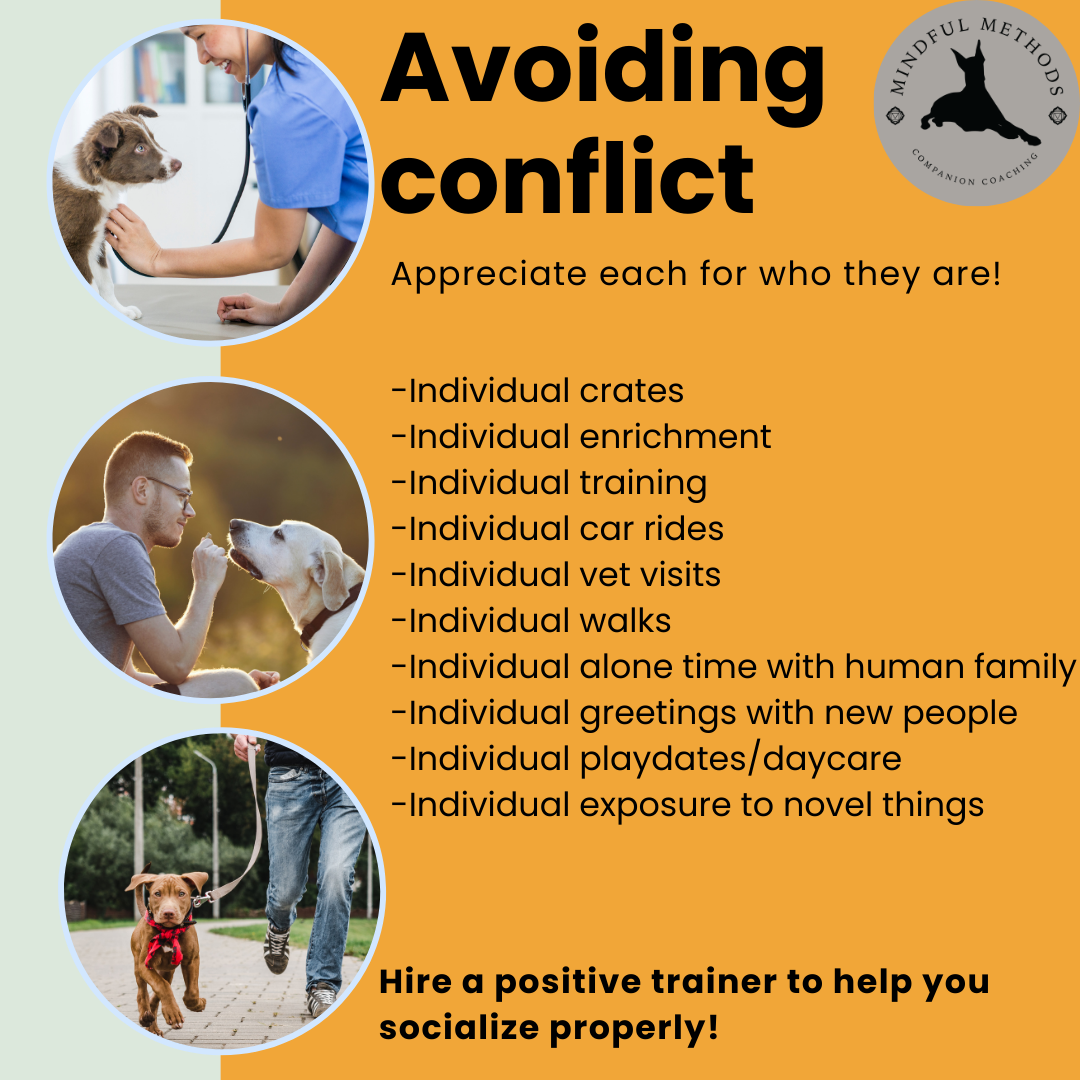
Implementing a protocol known as separate socialization is the cornerstone of successful management for these households. Each puppy must spend significant portions of the day apart from the other, attending separate training classes, taking individual walks, and resting in distinct crates. This enforced independence teaches the animals how to self-soothe and build confidence outside of a co-dependent dynamic. Additionally, maintaining strict resource management—such as feeding dogs in separate rooms and picking up high-value toys—removes primary triggers for competitive disputes.
Avoiding common training missteps ensures that household management techniques yield positive, long-lasting behavioral improvements.
A frequent mistake among owners is punishing dogs after a fight, which only increases fear and heightens the likelihood of future aggression. Instead of relying on punitive or dominance-based techniques, caregivers should safely interrupt altercations by making a sharp noise or using a physical barrier like a baby gate, never inserting hands directly into a live dog fight. Furthermore, owners must avoid treating the pair as a single unit; every command, treat, and affection session should be delivered individually to reinforce human leadership and personal accountability.
Punitive training methods can heighten fear and increase the frequency of aggressive episodes in multi-dog homes. — American Society for the Prevention of Cruelty to Animals
Pet Care & Wellness Overview Table
| Life Stage | Daily Activity Level | Key Nutrition / Care Focus |
|---|---|---|
| Puppy / Kitten | High (frequent short bursts) | High-protein growth diet & early socialization |
| Adult Companion | Moderate (30–60 mins daily) | Balanced maintenance nutrition & dental hygiene |
| Senior Pets | Low to Gentle (mindful walks) | Joint support (Glucosamine) & routine vet checks |
Images References




Breed traits, developmental stages, and individual temperaments heavily influence how sibling rivalry manifests inside the home.
Certain working and guarding breeds possess intense genetic predispositions toward same-sex aggression, making them particularly vulnerable to severe sibling fighting as they reach social maturity. Social maturity typically arrives between twelve and twenty-four months of age, a developmental milestone where puppy tolerance abruptly vanishes. If two dogs share identical high-energy drives and lack sufficient physical or mental outlets, their frustration frequently redirects toward each other. Recognizing these innate breed characteristics allows owners to tailor their management strategies before minor disagreements escalate.
Professional guidance from a certified behaviorist becomes necessary when sibling aggression escalates beyond safe household management.
According to the American Veterinary Medical Association, severe or escalating aggression between household pets warrants a comprehensive evaluation by a qualified veterinary behaviorist. When fights result in broken skin, or when one dog exhibits clear signs of terror around the other, standard at-home management is no longer sufficient. Professionals can accurately assess underlying triggers, design customized behavior modification plans, and rule out any hidden medical causes for sudden behavioral shifts. Consulting an expert early protects both human and animal safety.
Building a harmonious multi-dog household takes dedication, but the rewards of a peaceful environment are well worth the effort.
Navigating the complexities of canine relationships requires patience, consistency, and a commitment to meeting each animal’s unique developmental needs. By prioritizing separate socialization, fair resource management, and professional guidance when needed, caregivers can ensure every animal thrives. Explore more expert advice on Dog Behavior, learn about various Dog Breeds, or discover essential tips in Dog Training to keep all your PetsAnimalsWorld.com companions safe and happy.