
Introduction
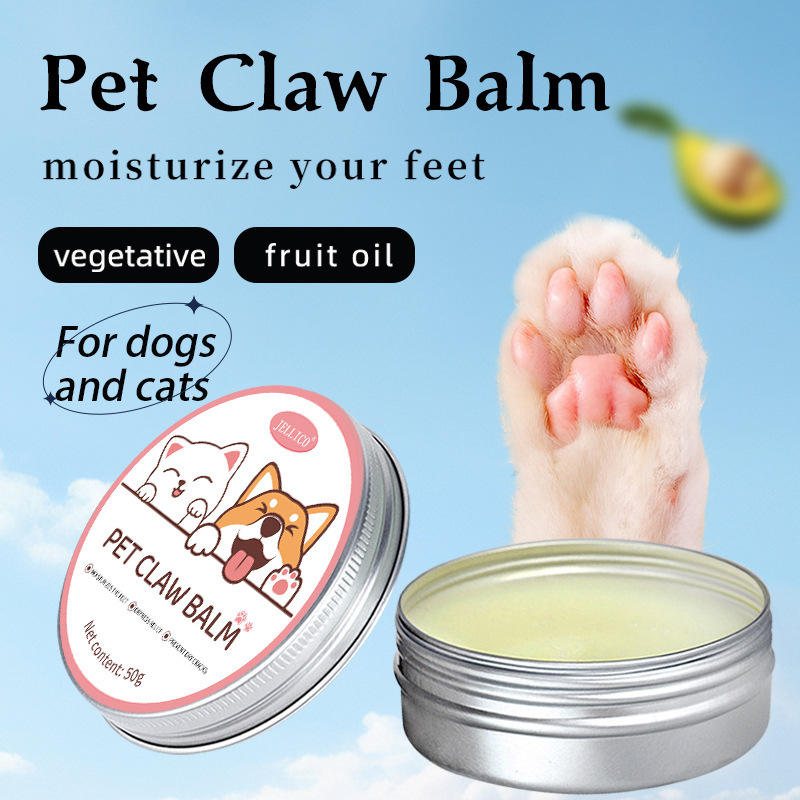
The well-being of a canine companion often hinges on elements overlooked in daily routines, and the health of a dog’s paws stands as a prime example. These robust, yet sensitive, structures are in constant contact with various surfaces and conditions, making them susceptible to damage and discomfort. A natural paw balm for dogs is a specialized product designed to protect, soothe, and heal the paw pads, addressing common issues such as dryness, cracking, and irritation. Understanding the importance of paw care, and specifically how a natural paw balm functions, is crucial for any dog owner seeking to ensure their pet’s comfort, mobility, and overall quality of life. This proactive approach to paw health can significantly mitigate discomfort, prevent more severe conditions, and enhance a dog’s ability to engage fully in activities.
💡 Pet Care Key Takeaways:
- Core Focus: Practical health, nutrition, and wellness guidelines for Natural Paw Balm For Dogs.
- Target Scope: Pet owners, animal caregivers, and veterinary support staff.
- Best Recommendation: Maintain consistent daily routines and consult an accredited veterinarian before introducing major diet or medical changes.
Common Causes and Key Factors
Several factors contribute to the deterioration of a dog’s paw pads, making the regular application of a natural paw balm for dogs a beneficial practice. Environmental conditions frequently play a significant role. During warmer months, hot asphalt or pavement can burn paw pads, leading to blisters and cracks. Conversely, in colder climates, ice, snow, and de-icing chemicals like salt can cause severe dryness, irritation, and even chemical burns. For more related activities, check out our Doggy Day Care Yarraville.
The type of terrain encountered during walks or playtime also impacts paw health. Rough surfaces such as gravel, rocky paths, or abrasive concrete can lead to wear and tear, causing pads to become calloused, dry, or even cut. Furthermore, exposure to household cleaning agents, lawn chemicals, or allergens like certain grasses can trigger irritation and allergic reactions on the paw pads.
A dog’s activity level and breed predisposition are additional considerations. Highly active dogs that frequently run or hike on varied surfaces naturally experience more stress on their paws. Certain breeds may also have genetically softer or more sensitive paw pads, making them more prone to dryness or injury. Age is another factor, as puppies have delicate, softer pads, while older dogs may have pads that become drier and less resilient over time, losing their natural elasticity.
Signs and Symptoms to Observe
Recognizing the signs that a dog’s paws require attention, and potentially the application of a natural paw balm for dogs, is vital for timely intervention. Observable visual cues include dryness, flaking, or peeling of the paw pads. Cracks and fissures, which can range from superficial lines to deep, painful splits, are clear indicators of significant moisture loss or damage. Redness, swelling, or a hardened, thickened texture of the pads can also suggest irritation or inflammation.
Behavioral indicators often accompany these visual signs. Excessive licking or chewing at the paws is a common response to discomfort, pain, or itchiness. A dog might also exhibit lameness, reluctance to walk, or an altered gait, such as tiptoeing, especially after being outdoors. Sensitivity when the paws are touched, or withdrawal of the paw, indicates pain. In more severe cases, a dog might leave behind bloody paw prints, signaling deep cuts or fissures that have bled. The manifestation of these signs can vary depending on the severity of the issue, the dog’s pain tolerance, and the specific environmental stressors recently encountered. Consistent observation allows owners to address minor issues before they escalate.
Practical Solutions and Management Strategies
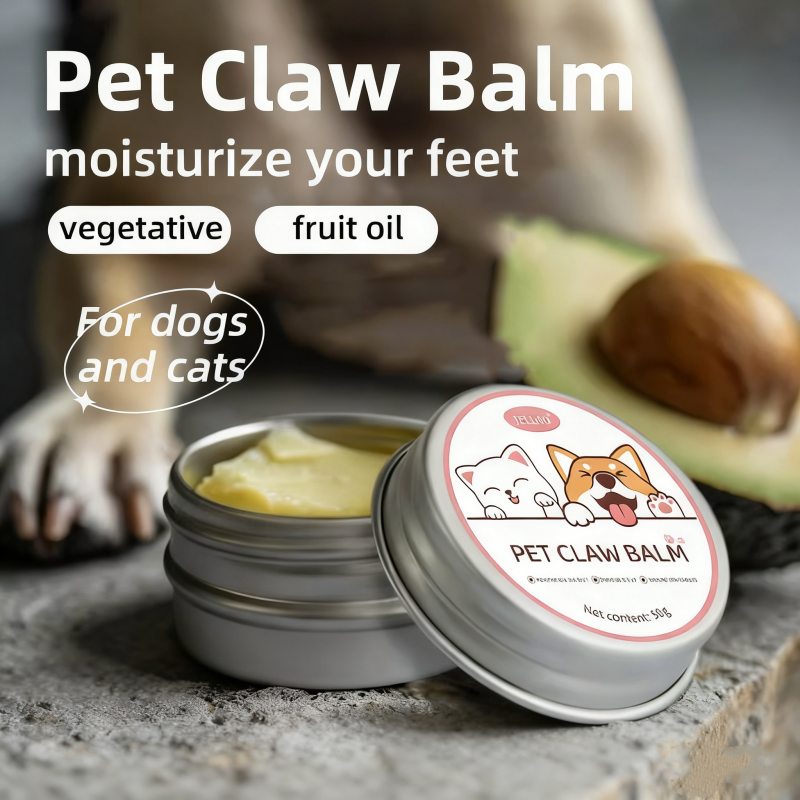
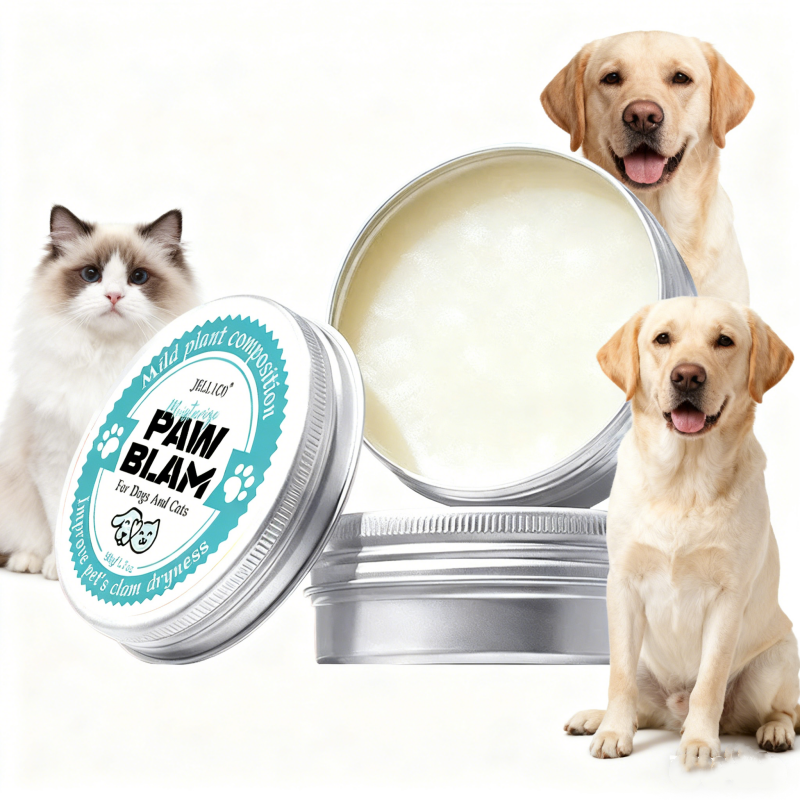
Effective management of paw health primarily involves preventive care and the judicious use of a natural paw balm for dogs. Routine application of a quality balm is a cornerstone of this strategy. When selecting a paw balm, ingredients like shea butter, coconut oil, beeswax, olive oil, and vitamin E are highly beneficial for their moisturizing, protective, and healing properties. These natural components help to create a barrier against environmental stressors while deeply nourishing the skin.
To apply, first ensure the paws are clean and dry. Gently massage a small amount of balm into each paw pad, ensuring it is absorbed. This can be done daily, or before and after outdoor excursions, particularly in challenging weather conditions. For dogs that resist paw handling, positive reinforcement with treats or applying the balm during calm periods, such as before naptime, can be effective.
Beyond balm application, several preventive measures are crucial. Regular paw inspections should be part of the grooming routine to check for cuts, foreign objects, or signs of dryness. During extreme weather, protective booties can offer an excellent physical barrier against hot pavement, ice, salt, and abrasive surfaces. Walking dogs during cooler parts of the day in summer, and avoiding chemically treated lawns, helps minimize exposure to irritants. Maintaining adequate hydration through fresh water availability and providing a balanced diet rich in essential fatty acids can also support overall skin and paw health from within. Trimming the fur between paw pads prevents matting, which can trap debris and moisture, leading to skin irritation and infections.
When Professional Help May Be Needed
While a natural paw balm for dogs is highly effective for routine care and minor irritations, certain situations warrant immediate veterinary attention. Owners should seek professional advice if a dog exhibits persistent lameness, a complete refusal to bear weight on a paw, or shows signs of extreme pain. Deep cuts, puncture wounds, severe bleeding, or open sores that do not heal with basic home care indicate a need for a veterinary examination.
Signs of infection, such as pus discharge, excessive swelling, an unpleasant odor emanating from the paw, or a dog developing a fever in conjunction with paw issues, are also serious indicators. If the paw condition rapidly deteriorates despite consistent home treatment with paw balm, or if the problem recurs frequently without clear environmental causes, an underlying medical condition like allergies, autoimmune disease, or fungal infection might be present. A veterinarian can accurately diagnose these conditions and prescribe appropriate treatments, which may include antibiotics, antifungals, or anti-inflammatory medications, in addition to recommending continued supportive care like paw balm. Prioritizing a professional consultation in these instances ensures the dog receives the best possible care and avoids prolonged discomfort or more severe health complications.
Conclusion
The health of a dog’s paws is intricately linked to its overall comfort, mobility, and zest for life. These hardworking structures bear the brunt of daily activities and environmental exposure, making them susceptible to a range of issues. Integrating a natural paw balm for dogs into a regular care routine is a straightforward yet profoundly effective way to protect, soothe, and heal paw pads, preventing common problems like dryness, cracking, and irritation. Consistent awareness, regular observation for signs of discomfort, and proactive management strategiesincluding the mindful application of paw balm and other preventive measuresare paramount. By prioritizing paw health, owners ensure their canine companions remain comfortable, active, and capable of exploring the world with joy and ease. This dedication to detailed care exemplifies responsible pet ownership and significantly enhances a dog’s quality of life.
Pet Care & Wellness Overview Table
| Life Stage | Daily Activity Level | Key Nutrition / Care Focus |
|---|---|---|
| Puppy / Kitten | High (frequent short bursts) | High-protein growth diet & early socialization |
| Adult Companion | Moderate (30–60 mins daily) | Balanced maintenance nutrition & dental hygiene |
| Senior Pets | Low to Gentle (mindful walks) | Joint support (Glucosamine) & routine vet checks |
Images References


For more expert pet care tips and advice, check out our dedicated Dog Care guides to keep your companions healthy and happy.


