

Introduction
The well-being of a canine companion is often reflected in the health of its paws. Proper paw care for dogs encompasses a range of routine practices essential for maintaining a dog’s comfort, mobility, and overall health. These vital extremities are constantly exposed to various elements, making them susceptible to injuries, infections, and general wear and tear. Understanding the significance of proactive paw maintenance can prevent common issues such as cracked pads, overgrown nails, and foreign body penetration, which can lead to significant discomfort, altered gait, and even behavioral changes due to pain. Attentive paw care ensures a dog can walk, run, and play without hindrance, thereby greatly enhancing its quality of life and strengthening the bond with its owner through dedicated care.
💡 Pet Care Key Takeaways:
- Core Focus: Practical health, nutrition, and wellness guidelines for Paw Care For Dogs.
- Target Scope: Pet owners, animal caregivers, and veterinary support staff.
- Best Recommendation: Maintain consistent daily routines and consult an accredited veterinarian before introducing major diet or medical changes.
Common Causes and Key Factors
Several factors contribute to the challenges associated with maintaining healthy paws in dogs. Environmental elements play a significant role; hot pavement can cause burns, while icy surfaces and de-icing chemicals can lead to frostbite, irritation, and dryness. Rough terrain, sharp objects, and prolonged exposure to moisture are also frequent culprits behind cuts, abrasions, and skin infections. For more related activities, check out our Doggy Day Care Victoria.
Grooming habits are another critical factor. Overly long nails can alter a dog’s gait, leading to orthopedic issues and pain, while matted fur between paw pads can trap moisture, debris, and parasites, increasing the risk of irritation and infection. Certain breeds, particularly those with dense paw fur, may be more predisposed to these issues. Additionally, a dog’s activity level directly impacts paw health; highly active dogs may experience more wear on their pads, necessitating more frequent checks and protective measures. Underlying health conditions such as allergies, fungal infections, or autoimmune diseases can also manifest as paw problems, requiring specific veterinary attention.
Signs and Symptoms to Observe
Observing a dog’s paws regularly allows for early detection of potential problems. Several key signs indicate that paw care may be needed or that a deeper issue is present. Behavioral indicators often include excessive licking, chewing, or biting at the paws, reluctance to put weight on a particular paw, limping, or a noticeable change in gait. A dog might also become sensitive or defensive when its paws are touched.
Physical examination of the paws can reveal critical symptoms. Redness, swelling, or inflammation of the paw pads or between the toes are common indicators of irritation or infection. Cuts, scrapes, cracks, blisters, or peeling skin on the pads should be immediately addressed. Foreign objects such as thorns, burrs, or small pieces of glass can become embedded. Overgrown nails that touch the ground, matted fur, or a foul odor emanating from the paws are also clear signs of neglect or an underlying problem. The texture of the paw pads might change, becoming unusually rough, dry, or overly soft, depending on the issue. These signs can vary based on a dog’s age, breed, and typical environment, emphasizing the need for consistent monitoring.
Practical Solutions and Management Strategies
Effective paw care for dogs involves a consistent routine of inspection and maintenance. Regular, gentle examination of the paws should be conducted after walks and especially after exposure to harsh environments. This allows for the removal of any trapped debris and early identification of cuts or irritations.
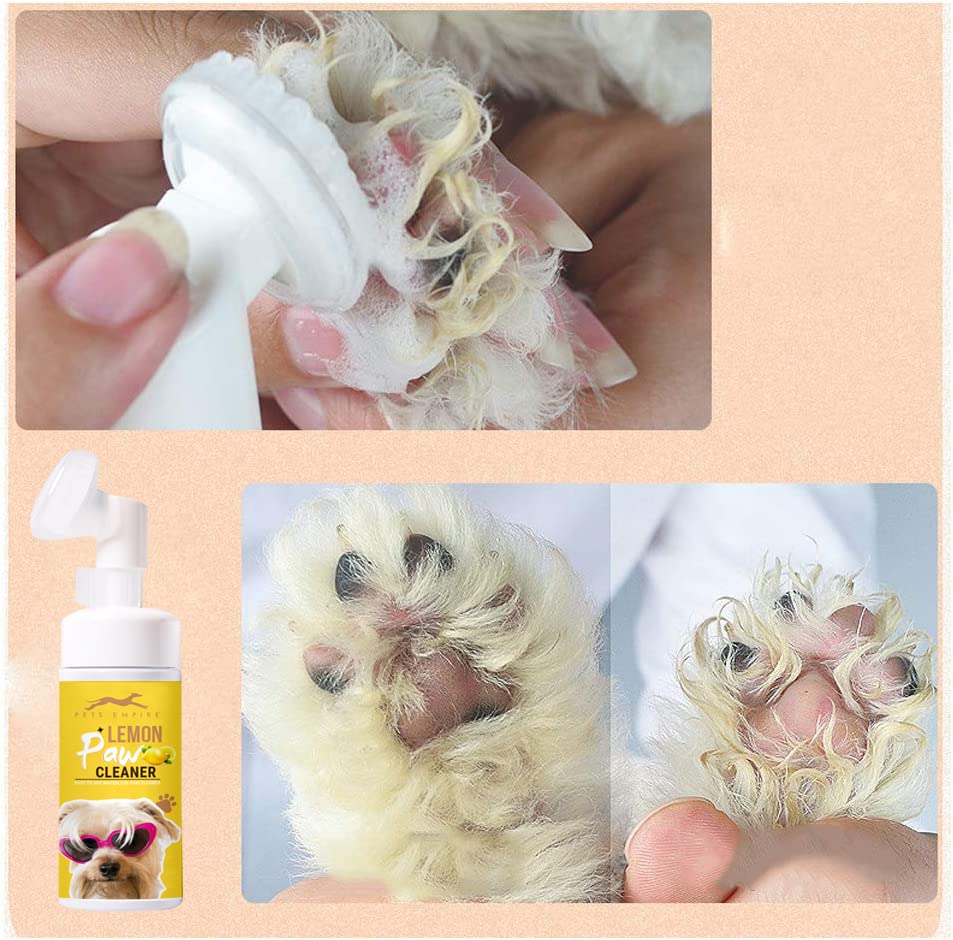
Proper hygiene is paramount. Wiping a dog’s paws with a damp cloth after outdoor excursions helps remove dirt, allergens, and chemicals. For dry or cracked paw pads, applying dog-specific paw balms or moisturizers can provide relief and promote healing, creating a protective barrier against environmental stressors.
Nail care is a fundamental aspect of paw health. Regular nail trimming prevents overgrowth, which can lead to discomfort, splayed toes, and an altered gait that puts undue stress on joints. Similarly, trimming the fur between a dog’s paw pads prevents matting, improves traction, and reduces the accumulation of dirt and moisture.
Protection from extreme elements is also crucial. During hot weather, walks on scorching pavement should be avoided, or paw boots should be considered. In cold conditions, protective paw wax or boots can shield paws from ice, snow, and de-icing salts. Providing a balanced diet rich in essential fatty acids can also contribute to overall skin and paw pad health from within.
When Professional Help May Be Needed
While many paw issues can be managed at home, certain situations necessitate immediate veterinary attention. Persistent limping, lameness, or a dog’s inability to bear weight on a paw signals a potentially serious injury or underlying condition that requires professional diagnosis. Deep cuts, puncture wounds, severe bleeding, or any visible foreign object deeply embedded in the paw pads should also prompt a veterinary visit to prevent infection and ensure proper healing.
Signs of infection, such as pus, a strong foul odor, severe swelling, heat to the touch, or a fever, indicate a need for professional medical intervention. Unexplained redness, inflammation, hair loss, or scabbing on the paws could point to allergies, parasitic infestations, or dermatological conditions that require veterinary assessment and treatment. Furthermore, if a dog’s paw problems do not improve with home care or worsen despite diligent efforts, a veterinarian can conduct a thorough examination to identify the root cause and recommend an appropriate course of action, which may include medication, specialized treatments, or further diagnostics.
Conclusion
Dedicated paw care for dogs is not merely a cosmetic practice but a fundamental component of a dogs overall health and happiness. Well-maintained paws are essential for a dog’s mobility, comfort, and ability to navigate its world without pain or impediment. Regular inspections, proactive grooming, and protective measures form the cornerstone of effective paw management. By consistently observing a dog’s paws for any changes and addressing minor issues promptly, owners can significantly reduce the risk of more severe problems. When in doubt or faced with persistent or alarming symptoms, consulting a veterinarian remains the most responsible course of action. Prioritizing paw health ensures that canine companions can enjoy a full, active, and comfortable life, reflecting the profound impact attentive care has on their well-being.
Pet Care & Wellness Overview Table
| Life Stage | Daily Activity Level | Key Nutrition / Care Focus |
|---|---|---|
| Puppy / Kitten | High (frequent short bursts) | High-protein growth diet & early socialization |
| Adult Companion | Moderate (30–60 mins daily) | Balanced maintenance nutrition & dental hygiene |
| Senior Pets | Low to Gentle (mindful walks) | Joint support (Glucosamine) & routine vet checks |
Images References



For more expert pet care tips and advice, check out our dedicated Dog Care guides to keep your companions healthy and happy.


