

Introduction
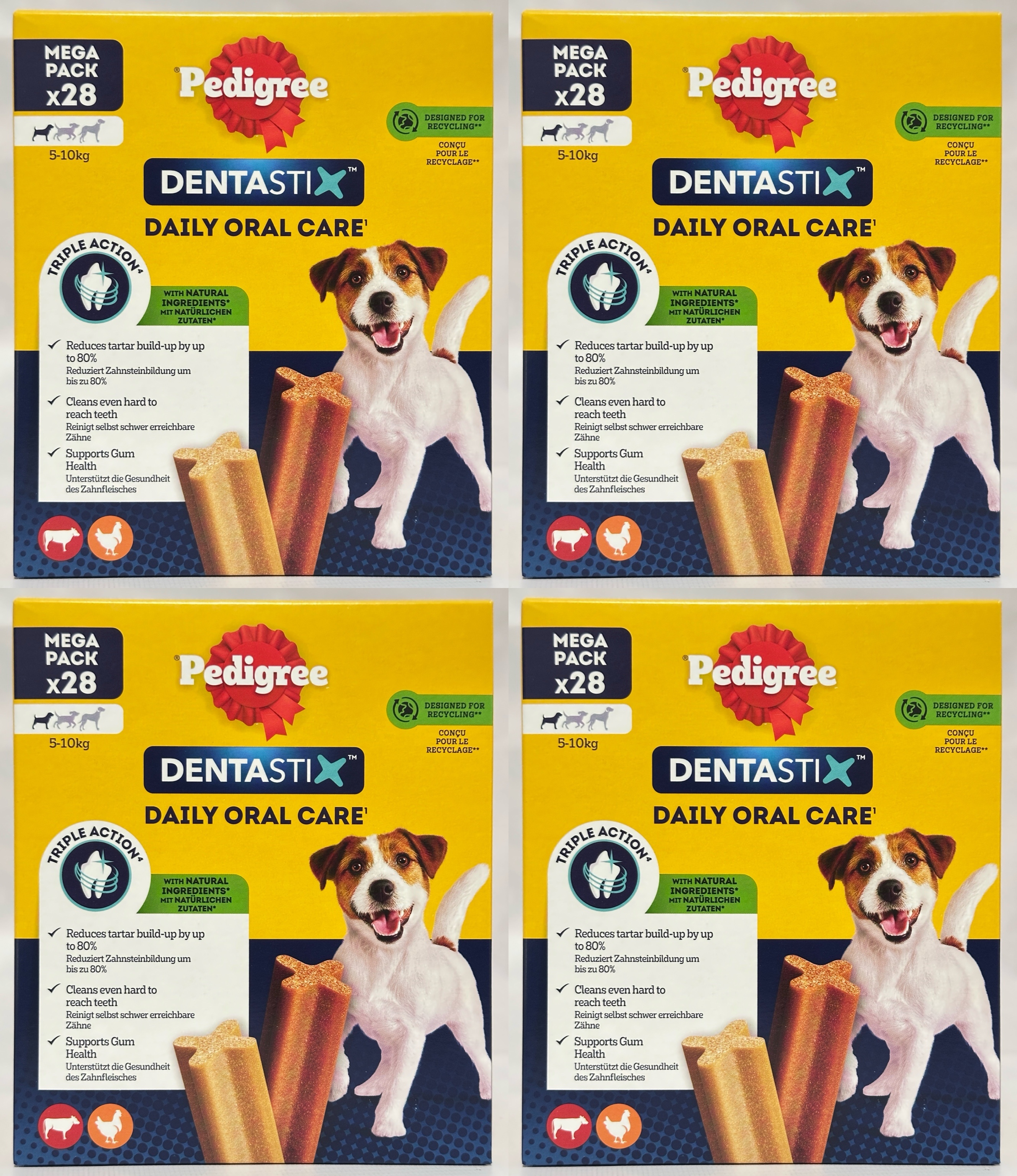
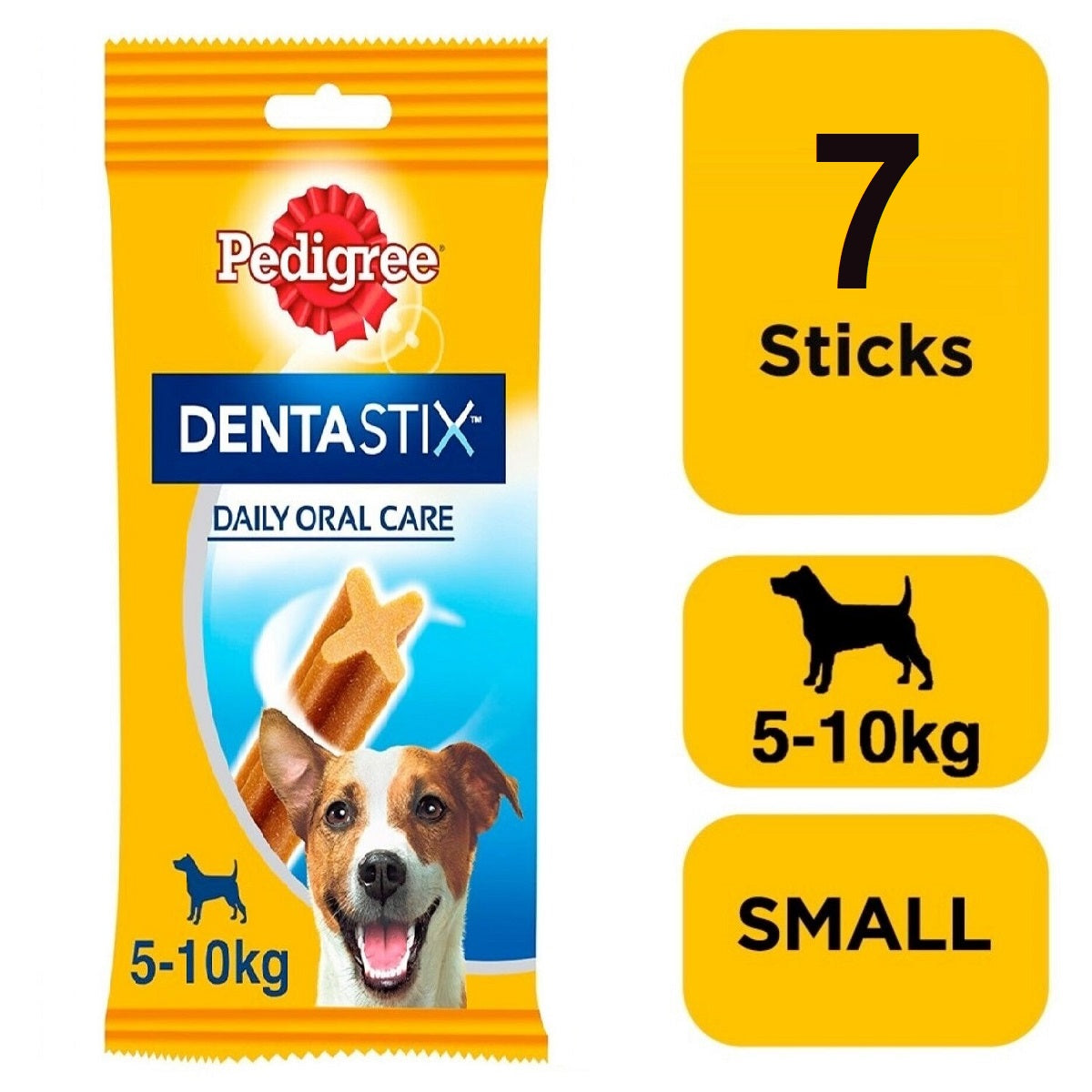
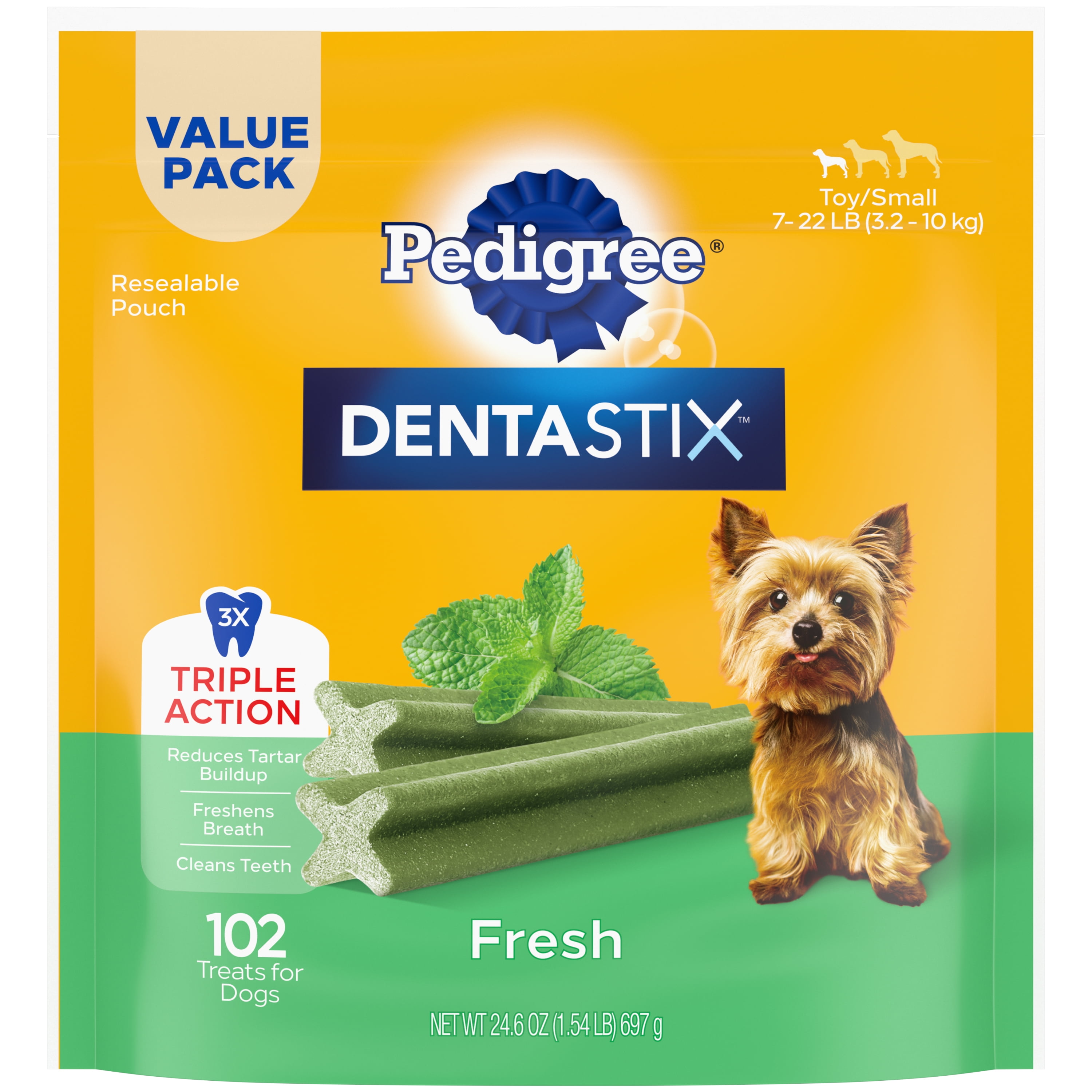
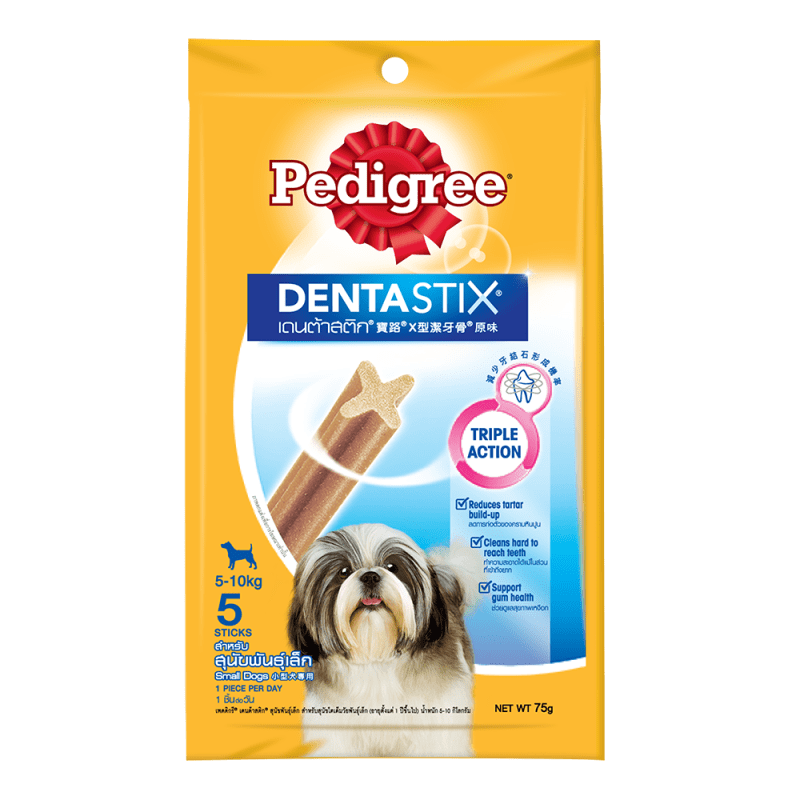
Maintaining optimal oral hygiene for canine companions is a critical aspect of their overall well-being, yet it is frequently overlooked by pet owners. For small dog breeds, dental health concerns can be particularly prevalent, necessitating targeted solutions. The product known as Pedigree Dentastix Small Dog emerges as a popular and accessible option designed to address these specific needs. This dental chew is formulated to assist in reducing tartar buildup and plaque, common issues that can lead to significant discomfort and more serious health problems if left unaddressed. Understanding the function and appropriate integration of Pedigree Dentastix Small Dog into a dogs routine can significantly contribute to their comfort, health, and a higher quality of life, safeguarding against preventable dental diseases.
💡 Pet Care Key Takeaways:
- Core Focus: Practical health, nutrition, and wellness guidelines for Pedigree Dentastix Small Dog.
- Target Scope: Pet owners, animal caregivers, and veterinary support staff.
- Best Recommendation: Maintain consistent daily routines and consult an accredited veterinarian before introducing major diet or medical changes.
Common Causes and Key Factors
Small dog breeds are inherently prone to various dental problems due to several anatomical and genetic factors. Their mouths often feature crowded teeth, which can create ideal environments for food particles and bacteria to accumulate, accelerating plaque and tartar formation. This overcrowding makes effective cleaning more challenging, even with regular brushing. Additionally, the smaller size of their teeth and jaw structure can sometimes predispose them to more rapid progression of periodontal disease. For more related activities, check out our Doggy Day Care Yarraville.
Without consistent dental care, the soft film of plaque hardens into tartar, which cannot be removed by brushing alone and irritates the gums, leading to gingivitis. Over time, this inflammation can progress to periodontal disease, affecting the bone and tissues supporting the teeth. Dietary choices also play a role; diets high in soft, sticky foods may contribute more to plaque buildup than those incorporating kibble or dental-specific chews. Environmental factors, such as a lack of appropriate chew toys or dental care routines, further exacerbate these predispositions. Pedigree Dentastix Small Dog is engineered with a unique X-shape and abrasive texture specifically to help physically scrub away plaque and tartar during chewing, acting as a crucial component in mitigating these common causes.
Signs and Symptoms to Observe
Recognizing the early signs of dental issues in small dogs is essential for timely intervention and maintaining their health. One of the most common indicators of poor oral hygiene is persistent bad breath, often a result of bacterial accumulation. A dog experiencing dental pain or discomfort may also exhibit changes in eating habits, such as reluctance to chew hard kibble, favoring softer foods, or dropping food from the mouth.
Other observable symptoms include visible tartar buildup on the teeth, which appears as a brown or yellowish discoloration, particularly along the gum line. Red, swollen, or bleeding gums (gingivitis) are also significant warning signs. Some dogs may paw at their mouth or rub their face against furniture in an attempt to alleviate discomfort. In more advanced cases, loose teeth, missing teeth, or pus around the gums may be apparent. Regular inspection of a dog’s mouth, combined with attentive observation of their behavior, can help identify these symptoms early. Incorporating daily dental chews like Pedigree Dentastix Small Dog can play a preventative role in reducing the severity and frequency of these concerning signs.
Practical Solutions and Management Strategies
Proactive dental care is paramount for small dogs, and integrating Pedigree Dentastix Small Dog into their daily routine offers a practical and effective strategy. These dental chews are specifically designed with a unique shape and texture that helps to scrape away plaque and tartar as a dog chews. For optimal results, one Dentastix chew per day is recommended, providing a consistent mechanical cleaning action.
Beyond daily chews, a multifaceted approach to dental health yields the best outcomes. Regular tooth brushing with dog-specific toothpaste and a small toothbrush remains the gold standard for home care. Introducing brushing early in a dogs life can help them acclimate to the process. Providing appropriate chew toys that promote dental health can also supplement the routine. Furthermore, ensuring a balanced diet that supports oral health, potentially including dental-specific kibble, contributes to reducing plaque accumulation. Consistency is key across all these strategies; incorporating these habits into a dog’s daily and weekly schedule establishes a strong foundation for lifelong oral health.
When Professional Help May Be Needed
While diligent home care, including the use of products like Pedigree Dentastix Small Dog, is highly effective for prevention and maintenance, there are circumstances where professional veterinary intervention becomes necessary. If signs of advanced dental disease are observed, such as severe bad breath, significant tartar buildup, visibly inflamed or bleeding gums, loose teeth, or changes in eating behavior despite home care efforts, a veterinary examination is crucial.
Veterinarians can conduct a thorough oral examination, often requiring sedation, to assess the full extent of dental disease. Professional dental cleanings involve scaling to remove plaque and tartar above and below the gum line, polishing the teeth, and potentially performing extractions of severely diseased or damaged teeth. These procedures are typically carried out under anesthesia to ensure the dogs safety and comfort. Delaying professional care when advanced dental disease is present can lead to systemic health issues, including heart, kidney, or liver problems, as bacteria from infected gums can enter the bloodstream. Routine veterinary check-ups should always include an assessment of oral health to determine if and when professional cleaning is warranted.
Conclusion
Prioritizing dental health for small dog breeds is an investment in their overall happiness and longevity. Pedigree Dentastix Small Dog offers a convenient and effective daily supplement to a comprehensive dental care regimen, playing a significant role in reducing plaque and tartar accumulation. Understanding the unique dental challenges faced by small dogs, recognizing the early signs of dental issues, and implementing practical solutions are fundamental responsibilities of pet ownership. By combining daily dental chews with regular brushing, appropriate diet, and consistent veterinary check-ups, dog owners can proactively safeguard their canine companions against the discomfort and health risks associated with poor oral hygiene. A commitment to consistent and vigilant dental care ensures small dogs can enjoy a healthy, vibrant life, free from the burdens of preventable dental disease.
Pet Care & Wellness Overview Table
| Life Stage | Daily Activity Level | Key Nutrition / Care Focus |
|---|---|---|
| Puppy / Kitten | High (frequent short bursts) | High-protein growth diet & early socialization |
| Adult Companion | Moderate (30–60 mins daily) | Balanced maintenance nutrition & dental hygiene |
| Senior Pets | Low to Gentle (mindful walks) | Joint support (Glucosamine) & routine vet checks |
Images References



For more expert pet care tips and advice, check out our dedicated Dog Care guides to keep your companions healthy and happy.




