

Introduction
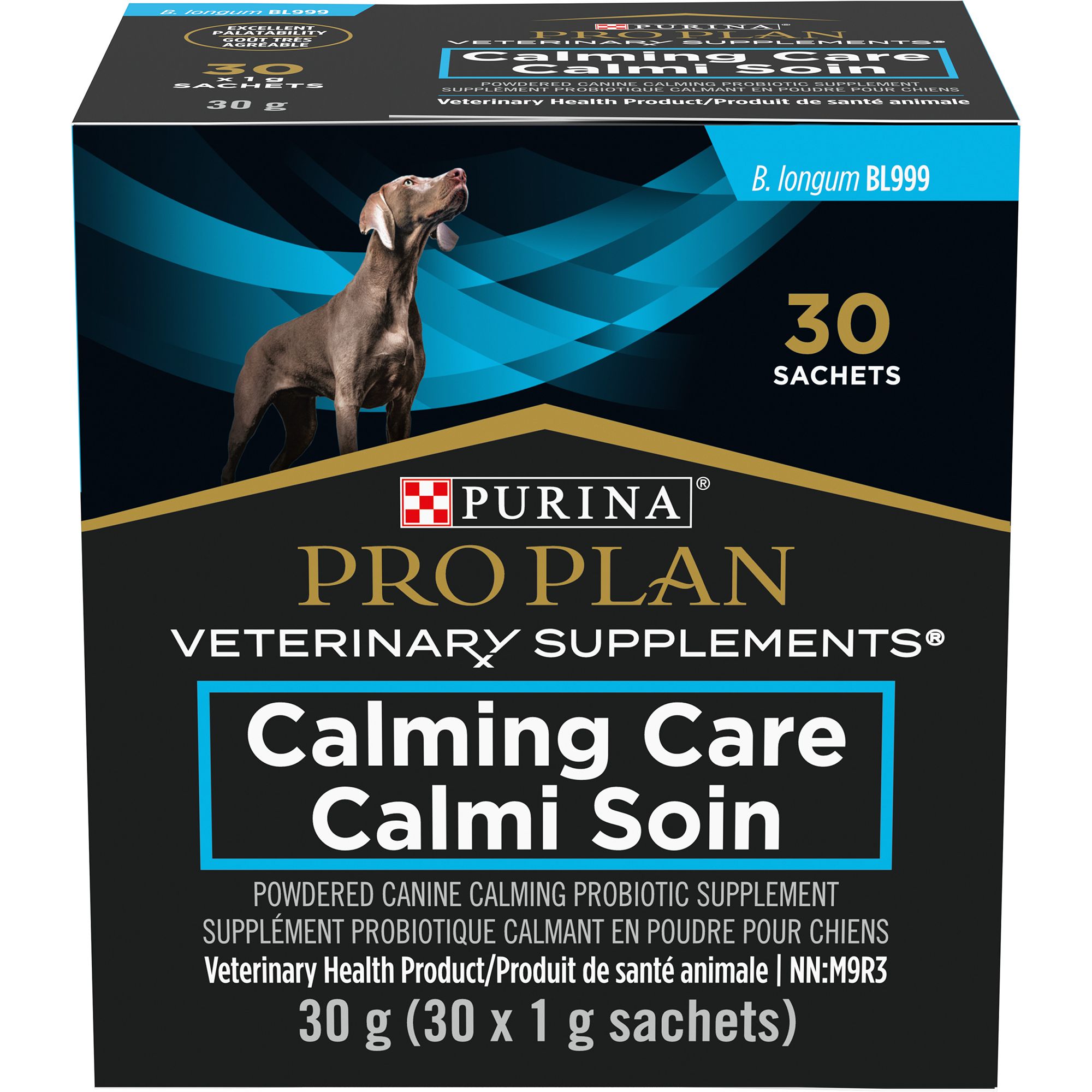
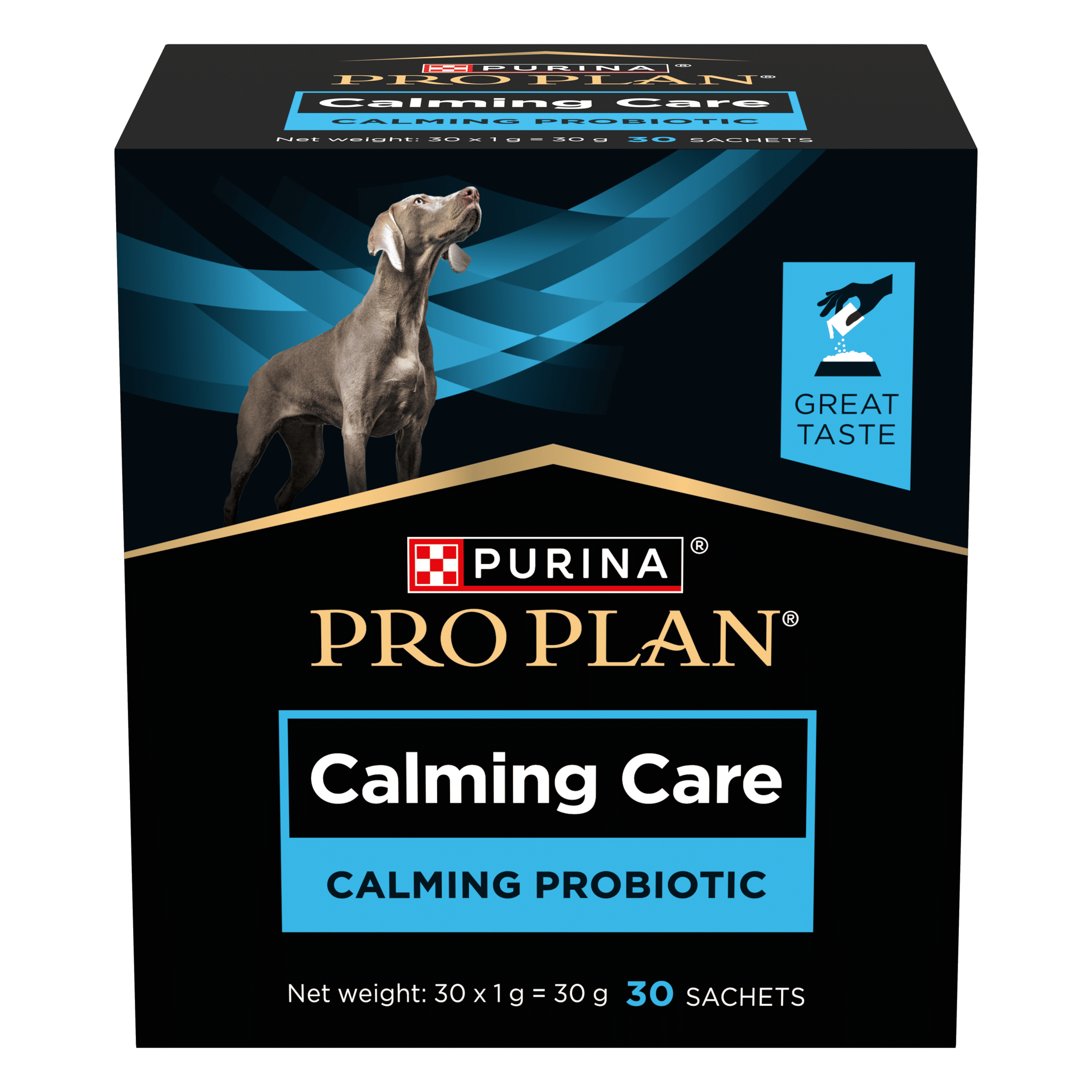
Understanding and managing canine stress and anxiety is a significant aspect of responsible pet ownership. Many factors can contribute to a dogs unease, from environmental changes to internal biological processes. In the quest to support canine well-being, the role of nutrition and specific dietary supplements has gained considerable attention. Among these, the Purina Calming Care Probiotic has emerged as a topic of interest for its targeted approach to helping dogs cope with stressful situations and maintain calm behavior. This specific probiotic supplement aims to influence the gut-brain axis, a complex communication system that links digestive health directly to mood and behavior. Exploring this product offers insights into how a specialized probiotic can play a supportive role in a dog’s overall mental and physical health, potentially improving their quality of life by fostering a more tranquil demeanor.
💡 Pet Care Key Takeaways:
- Core Focus: Practical health, nutrition, and wellness guidelines for Purina Calming Care Probiotic.
- Target Scope: Pet owners, animal caregivers, and veterinary support staff.
- Best Recommendation: Maintain consistent daily routines and consult an accredited veterinarian before introducing major diet or medical changes.
Common Causes and Key Factors
Canine stress and anxiety manifest from a variety of sources, impacting a dog’s daily life and interactions. Environmental factors frequently trigger anxious responses; loud noises such as thunderstorms, fireworks, or even construction work can be profoundly disturbing. Changes in a dogs routine, the introduction of new people or pets, or transitions to new living environments also commonly contribute to feelings of unease. Situational stressors like veterinary visits, grooming appointments, or car travel are further examples that can elicit anxiety in many dogs. For more related activities, check out our Doggy Day Care Upper East Side.
Beyond external triggers, internal biological factors play a crucial role. Emerging research highlights the intricate connection between gut health and brain function, often referred to as the gut-brain axis. The microorganisms residing in a dog’s digestive tract, collectively known as the gut microbiome, produce various compounds that can influence neurological pathways and neurotransmitter activity. An imbalance in this delicate ecosystem can potentially contribute to behavioral changes, including increased anxiety. The science behind Purina Calming Care Probiotic specifically targets this gut-brain connection, suggesting that modulating the gut flora with beneficial bacteria can have a positive impact on a dogs emotional state.
Signs and Symptoms to Observe
Recognizing the subtle and overt signs of stress or anxiety in dogs is essential for effective intervention. Behavioral indicators can vary widely, but common signs often include excessive barking, whining, or howling, particularly when left alone or during stressful events. Destructive behaviors, such as inappropriate chewing or digging, or house-soiling accidents in an otherwise housetrained dog, may also signal distress.
Physical manifestations of anxiety can include pacing, panting without exertion, trembling, or drooling. Some dogs may exhibit withdrawal, hiding in secluded spots, or display appeasement gestures like lip licking, yawning, or averting their gaze. Changes in body posture, such as a tucked tail, flattened ears, or a crouched stance, are further indicators of unease. It is important to note that the presentation of these signs can differ based on an individual dogs temperament, breed predispositions, age, and the specific context of the stressor. Consistent observation of these behavioral and physical cues provides valuable information for identifying when a dog may benefit from supportive care.
Practical Solutions and Management Strategies
Addressing canine stress and anxiety often requires a multifaceted approach, and dietary supplementation with products like Purina Calming Care Probiotic can be a valuable component. This specific probiotic supplement contains a unique strain of beneficial bacteria, Bifidobacterium longum BL999, which has been shown to help dogs maintain calm behavior. The mechanism involves positively influencing the gut-brain axis, thereby helping to modulate the physiological responses to stress.
For effective use, Purina Calming Care Probiotic is typically administered once daily, usually by sprinkling the powder onto a dogs food. Consistent daily administration is often recommended to allow the beneficial bacteria to establish their effects within the gut microbiome. While this supplement can be a powerful tool, it works best when integrated with other supportive strategies.
Environmental management plays a crucial role; creating a safe, quiet retreat for a dog during stressful times, using calming music or white noise, and ensuring predictable routines can significantly reduce anxiety. Training techniques such as desensitization and counter-conditioning can help dogs gradually adapt to previously fear-inducing stimuli. Providing ample mental and physical enrichment through interactive toys, puzzle feeders, and regular exercise also contributes to overall well-being and stress reduction. Dietary considerations, including a high-quality, balanced diet, further support a healthy gut and overall physiological function, complementing the targeted action of the probiotic. It is important to view Purina Calming Care Probiotic as a supportive aid within a comprehensive management plan rather than a standalone cure.
When Professional Help May Be Needed
While supplements like Purina Calming Care Probiotic offer a valuable avenue for supporting canine emotional well-being, it is crucial to recognize their role as a dietary aid rather than a substitute for veterinary care or behavioral therapy. If a dog’s anxiety is severe, persistent, or rapidly escalating, or if a sudden onset of behavioral changes occurs, a consultation with a veterinarian is strongly recommended. Such symptoms might indicate an underlying medical condition contributing to the stress or necessitate a more advanced treatment approach.
Veterinarians can conduct thorough examinations to rule out physiological causes for anxiety and discuss appropriate courses of action, which may include prescription medications in addition to behavioral interventions. For complex or deeply ingrained behavioral issues, referral to a certified professional dog trainer or a veterinary behaviorist may be appropriate. These specialists can develop tailored behavioral modification plans, utilizing techniques such as desensitization, counter-conditioning, and positive reinforcement, often in conjunction with supplementary aids or pharmaceutical interventions. Professional guidance ensures that a dog receives the most comprehensive and effective care for its specific needs.
Conclusion
Navigating the complexities of canine stress and anxiety is an integral part of ensuring a dogs health and happiness. The Purina Calming Care Probiotic offers a scientifically supported approach to assist dogs in managing stress-related behaviors by targeting the crucial gut-brain axis. By introducing a specific beneficial bacterial strain, it aims to foster a more balanced internal environment that can contribute to a calmer demeanor. However, recognizing the signs of distress, understanding the potential triggers, and adopting a holistic management strategy remain paramount. Incorporating dietary support, environmental adjustments, appropriate training, and seeking professional guidance when necessary collectively forms the most effective pathway to enhancing a dog’s quality of life. Proactive observation and consistent, informed care empower dog owners to provide the best possible support, helping their cherished companions live more tranquil and fulfilling lives.
Pet Care & Wellness Overview Table
| Life Stage | Daily Activity Level | Key Nutrition / Care Focus |
|---|---|---|
| Puppy / Kitten | High (frequent short bursts) | High-protein growth diet & early socialization |
| Adult Companion | Moderate (30–60 mins daily) | Balanced maintenance nutrition & dental hygiene |
| Senior Pets | Low to Gentle (mindful walks) | Joint support (Glucosamine) & routine vet checks |
Images References




For more expert pet care tips and advice, check out our dedicated Dog Care guides to keep your companions healthy and happy.




