

Introduction
Maintaining optimal health for canine companions is a multifaceted endeavor, with dental care standing as a critical, yet often overlooked, component. Poor oral hygiene in dogs can lead to a host of problems, impacting not only their teeth and gums but also their overall systemic health and quality of life. Purina Dentalife represents a widely recognized category of dental chews specifically designed to assist dog owners in proactively managing their pets’ oral health. Understanding what Purina Dentalife is, how it functions, and its place within a comprehensive dental care regimen is crucial for improving a dogs well-being and preventing the discomfort associated with dental disease. This article explores the significance of daily dental care and how products like Purina Dentalife can contribute to a healthier mouth for dogs.
💡 Pet Care Key Takeaways:
- Core Focus: Practical health, nutrition, and wellness guidelines for Purina Dentalife.
- Target Scope: Pet owners, animal caregivers, and veterinary support staff.
- Best Recommendation: Maintain consistent daily routines and consult an accredited veterinarian before introducing major diet or medical changes.
Common Causes and Key Factors
The primary culprit behind most canine dental issues is the relentless accumulation of plaque and tartar. Plaque, a sticky film of bacteria, food particles, and saliva, forms on teeth constantly. If not removed, it hardens into tartar, a calcified substance that adheres firmly to the tooth surface, often above and below the gum line. This buildup irritates the gums, leading to gingivitis, which can progress to more severe periodontal disease. For more related activities, check out our Doggy Day Care Upper East Side.
Several key factors contribute to the speed and severity of plaque and tartar accumulation. A diet consisting primarily of soft, moist foods, while palatable, may not provide the abrasive action necessary to help clean teeth naturally. Conversely, dry kibble offers some abrasive benefits, but it is rarely sufficient on its own. Genetic predispositions also play a significant role; smaller breeds, for instance, often have crowded teeth that are more prone to plaque retention. The absence of a consistent home dental hygiene routine, including brushing and the use of dental chews, is a major factor in the progression of dental disease. The natural chewing action, which can be enhanced by specific dental products, is vital for mechanically scraping away plaque and stimulating gum tissue.
Signs and Symptoms to Observe
Observing a dogs mouth for indicators of dental issues is an essential aspect of responsible pet ownership. One of the most common and noticeable signs is persistent bad breath, also known as halitosis, which often signals bacterial growth from plaque and tartar. Beyond odor, visual inspection can reveal yellow or brown tartar buildup on the surface of the teeth, particularly along the gum line.
Gums may appear red, swollen, or bleed easily, indicating inflammation or gingivitis. In more advanced stages, a dog might exhibit difficulty eating, reluctance to chew hard food or toys, or an overall decrease in appetite due to pain. Pawing at the mouth, excessive drooling, or even behavioral changes such as irritability or lethargy can also be subtle signs of oral discomfort. These signs can vary in intensity depending on the dog’s age, breed, and the stage of dental disease, with younger dogs typically showing milder symptoms and older dogs often experiencing more pronounced issues.
Practical Solutions and Management Strategies
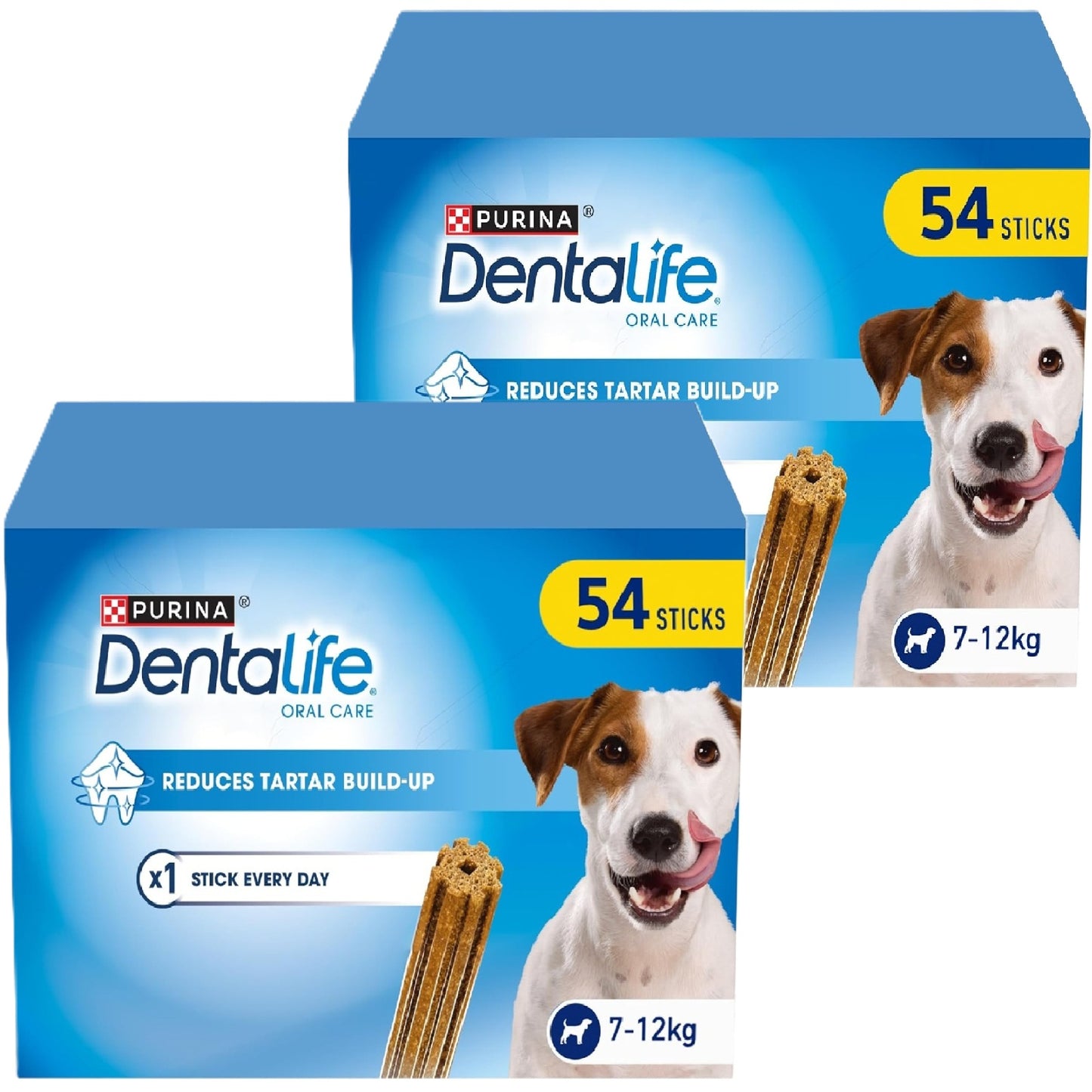
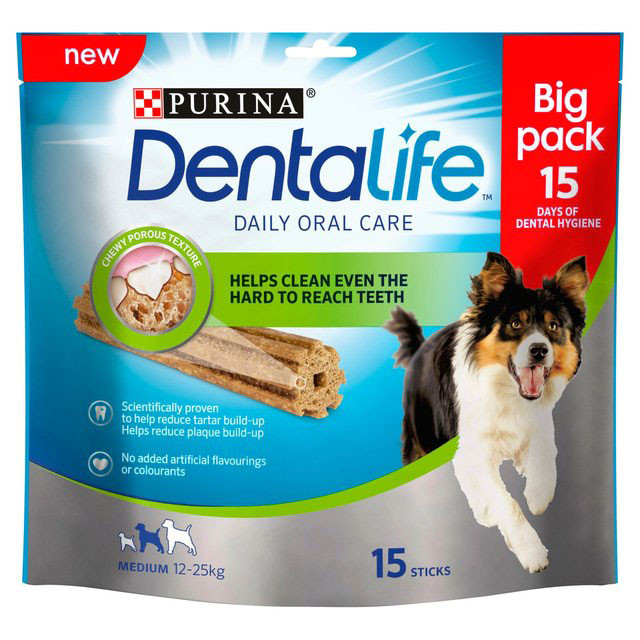
Addressing canine dental health requires a multifaceted approach, and incorporating dental chews like Purina Dentalife can be an effective component of a daily regimen. Purina Dentalife chews are specifically engineered with a porous, chewy texture and unique ridges designed to clean a dog’s teeth right down to the gum line. The chewing action helps to mechanically scrub away plaque and reduce tartar buildup on the tooth surface, including hard-to-reach back teeth.
For optimal effectiveness, these chews are typically recommended for daily use. However, they should be viewed as supplementary to other crucial dental care practices. Regular tooth brushing with pet-specific toothpaste remains the gold standard for plaque removal. Dental diets formulated with specific textures and ingredients, as well as water additives designed to reduce plaque bacteria, can also contribute to better oral hygiene. Providing appropriate dental toys that encourage safe chewing further supports gum health and tooth cleaning. Consistency is paramount; establishing a routine that combines several preventive measures offers the best defense against dental disease.
When Professional Help May Be Needed
While home dental care practices, including the regular use of dental chews like Purina Dentalife, are highly beneficial, they are not a substitute for professional veterinary attention. Situations exist where immediate veterinary consultation is not only advisable but necessary. If a dog exhibits severe pain, loose teeth, excessive bleeding from the gums, or noticeably receding gum lines, these are indicators of advanced dental disease that require professional intervention.
Routine veterinary dental check-ups are fundamental. During these appointments, veterinarians can assess the overall oral health, identify any developing issues, and recommend professional dental cleanings under anesthesia. These cleanings allow for thorough scaling above and below the gum line, polishing, and extraction of any diseased teeth, which cannot be achieved through home care alone. Dog owners should consult a veterinarian before introducing any new dental products, especially if the dog has pre-existing health conditions or known dental problems, to ensure the chosen product is appropriate and safe.
Conclusion
Proactive dental care is an essential, ongoing responsibility for every dog owner, significantly impacting a dogs comfort, health, and overall longevity. The constant battle against plaque and tartar accumulation necessitates a diligent approach that combines various strategies. Products such as Purina Dentalife offer a convenient and effective way to supplement daily oral hygiene, leveraging a dogs natural chewing instinct to help reduce tartar buildup and maintain cleaner teeth. By integrating such dental chews with regular tooth brushing, appropriate diets, and, most importantly, consistent veterinary dental check-ups, dog owners can establish a robust defense against dental disease. Awareness, observation of potential signs, and a commitment to a comprehensive dental care routine are key to ensuring a dog enjoys a lifetime of good oral health and a happier, healthier existence.
Pet Care & Wellness Overview Table
| Life Stage | Daily Activity Level | Key Nutrition / Care Focus |
|---|---|---|
| Puppy / Kitten | High (frequent short bursts) | High-protein growth diet & early socialization |
| Adult Companion | Moderate (30–60 mins daily) | Balanced maintenance nutrition & dental hygiene |
| Senior Pets | Low to Gentle (mindful walks) | Joint support (Glucosamine) & routine vet checks |
Images References




For more expert pet care tips and advice, check out our dedicated Dog Care guides to keep your companions healthy and happy.


