

Introduction
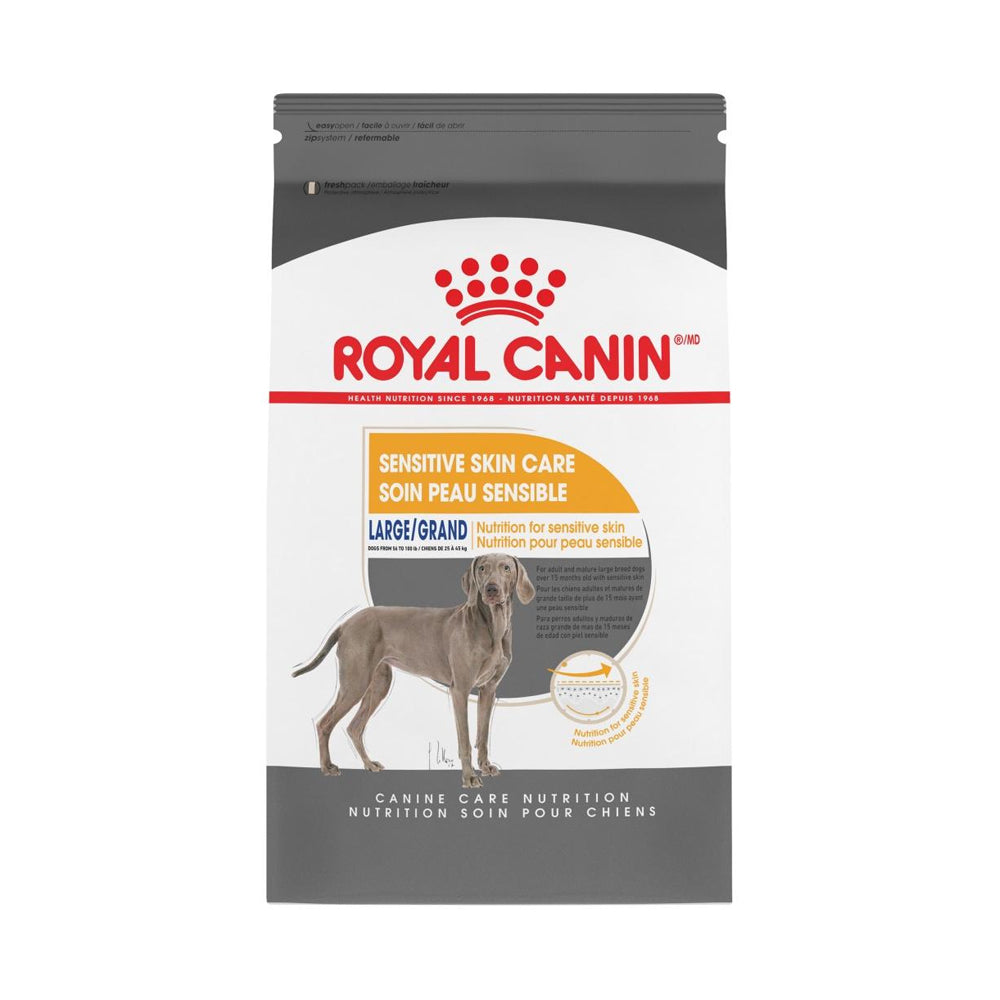
Skin sensitivities represent a common and often uncomfortable challenge for many dogs, significantly impacting their quality of life. These issues can manifest as persistent itching, redness, irritation, or even hair loss, causing distress for canine companions and concern for their owners. Understanding the underlying causes and identifying effective management strategies is crucial for restoring comfort and promoting overall well-being. Specialized nutritional approaches, such as those offered by Royal Canin Sensitive Skin formulations, play a pivotal role in addressing these dermatological concerns by providing targeted support for the skin barrier and reducing reactivity. By integrating a tailored diet and other supportive measures, dog owners can make substantial improvements in their pet’s health and happiness.
💡 Pet Care Key Takeaways:
- Core Focus: Practical health, nutrition, and wellness guidelines for Royal Canin Sensitive Skin.
- Target Scope: Pet owners, animal caregivers, and veterinary support staff.
- Best Recommendation: Maintain consistent daily routines and consult an accredited veterinarian before introducing major diet or medical changes.
Common Causes and Key Factors
Canine sensitive skin can stem from a variety of interconnected factors, making a comprehensive approach to diagnosis and management essential. One primary cause involves environmental allergens, such as pollen, dust mites, mold spores, and certain grasses. Exposure to these allergens can trigger an immune response, leading to skin inflammation and irritation. For more related activities, check out our Doggy Day Care Victoria.
Food sensitivities or allergies are another significant contributor. Dogs can react to specific protein sources (like beef, chicken, dairy, wheat, or soy) in their diet, which can manifest as dermatological symptoms rather than digestive upset. Identifying and eliminating trigger ingredients is a cornerstone of managing such cases.
Genetic predispositions also play a role, with certain breeds (e.g., French Bulldogs, Boxers, Golden Retrievers, West Highland White Terriers) being more prone to developing sensitive skin conditions like atopic dermatitis. These breeds may have an inherently weaker skin barrier, making them more susceptible to irritants and allergens.
Furthermore, parasites like fleas, mites, or ticks can cause intense itching and irritation, leading to secondary skin issues. Bacterial or yeast infections often develop in compromised skin, exacerbating existing problems and creating a cycle of inflammation and discomfort. Lastly, nutritional deficiencies, particularly in essential fatty acids, can impair the skin’s barrier function, leaving it vulnerable.
Signs and Symptoms to Observe
Recognizing the early signs of sensitive skin is vital for timely intervention and effective management. Dog owners should closely observe their pet’s behavior and physical condition for any of the following indicators.
The most common symptom is excessive scratching, licking, or chewing at specific body parts, or even generalized itching across the entire body. This persistent self-trauma can lead to visible skin damage. Accompanying these actions, redness, rashes, or inflamed patches of skin are frequently seen, particularly in areas like the belly, armpits, paws, groin, and ears.
Hair loss or thinning fur may occur in affected areas due to constant scratching or inflammation. The skin might also appear dry, flaky, or scaly, sometimes accompanied by an unpleasant odor, which could indicate a secondary bacterial or yeast infection. In more severe cases, “hot spots” moist, red, painful lesions can develop rapidly from intense licking and chewing. Ear infections, characterized by redness, discharge, or frequent head shaking, can also be a manifestation of underlying skin sensitivities.
These signs can vary based on the dog’s age, breed, and the specific cause of the sensitivity. For example, young puppies might react differently than adult dogs, and certain breeds display unique patterns of dermatological issues. Consistent observation allows for a proactive approach to pet care.
Practical Solutions and Management Strategies
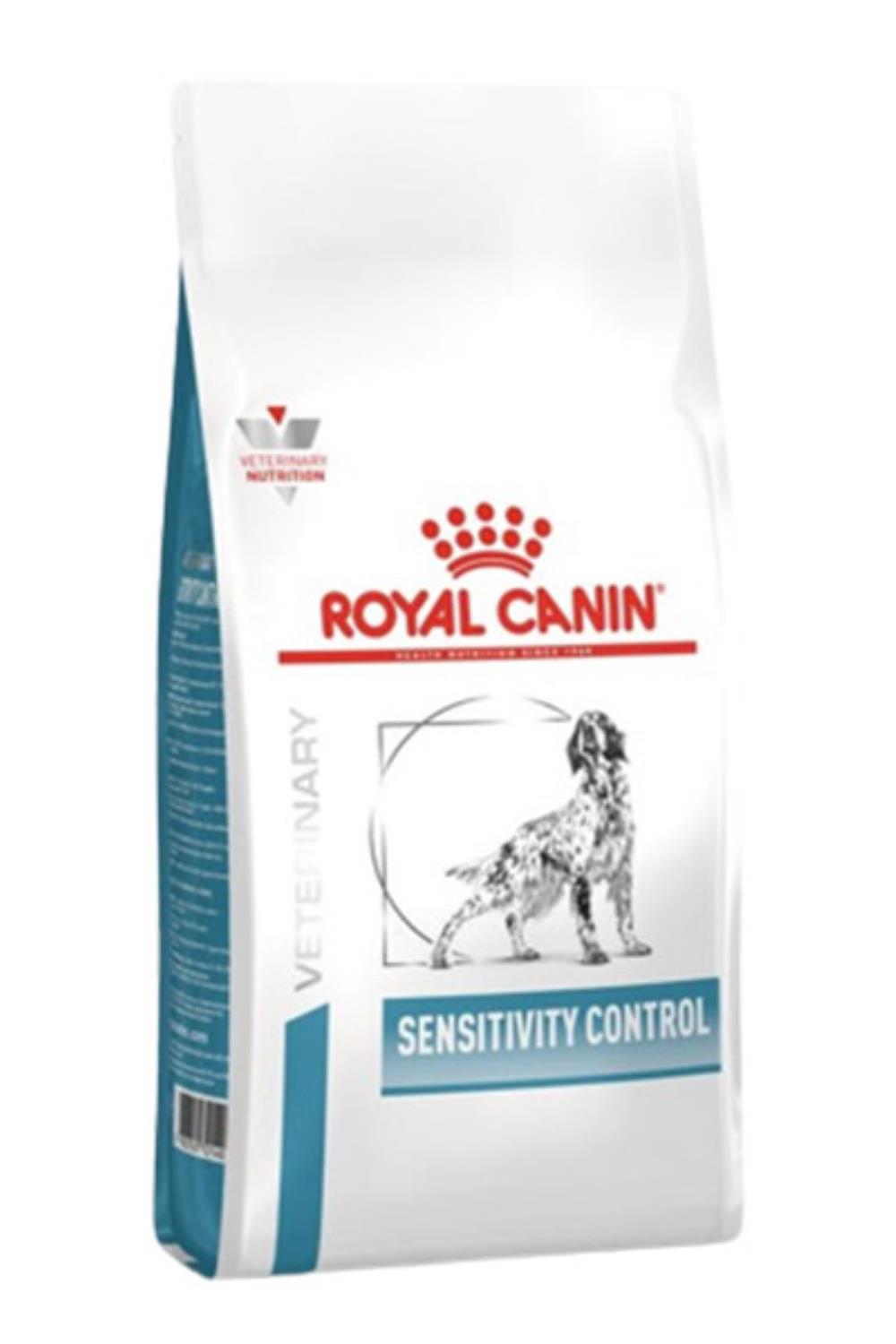
Managing sensitive skin in dogs requires a multifaceted approach, with diet often forming the cornerstone of effective treatment. Specialized nutrition, such as that found in Royal Canin Sensitive Skin formulas, is specifically designed to support the skin’s health and integrity. These diets typically feature highly digestible proteins, which can reduce the likelihood of adverse food reactions, and are enriched with a proprietary complex of nutrients.
Key ingredients in Royal Canin Sensitive Skin diets include a precise blend of omega-3 and omega-6 fatty acids, such as EPA and DHA. These essential fatty acids are crucial for their anti-inflammatory properties and their role in reinforcing the skin barrier function, helping to lock in moisture and protect against environmental irritants. Additionally, complexes of B vitamins and amino acids support the skin’s natural defenses, promoting cell regeneration and a healthy coat.
Beyond diet, several practical adjustments can complement the nutritional strategy. Environmental management involves minimizing exposure to known allergens, such as regular vacuuming, using air purifiers, and wiping down paws after outdoor excursions. Regular, appropriate grooming with hypoallergenic shampoos and conditioners can soothe irritated skin and remove allergens without stripping natural oils. It is important to avoid harsh chemicals or excessive bathing which can further compromise the skin barrier.
Furthermore, diligent parasite control is non-negotiable. Consistent use of veterinarian-recommended flea, tick, and mite prevention products helps eliminate common causes of skin irritation. For dogs with diagnosed food sensitivities, a strict elimination diet, followed by a veterinary-prescribed hypoallergenic or limited ingredient diet, is often necessary to pinpoint and avoid specific triggers.
When Professional Help May Be Needed
While many cases of sensitive skin can be managed with dietary changes and home care, there are specific situations where professional veterinary consultation becomes essential. Persistent or worsening symptoms, despite initial management efforts, warrant immediate veterinary attention. This includes continuous scratching, licking, or chewing that leads to open sores, scabbing, or significant hair loss.
Signs of secondary infection, such as pus, foul odor, severe redness, swelling, or warm patches on the skin, indicate a need for professional diagnosis and treatment. These infections often require antibiotics or antifungal medications that can only be prescribed by a veterinarian. If a dog’s discomfort appears to be significantly impacting its behavior, leading to lethargy, loss of appetite, or irritability, a veterinarian should be consulted promptly.
Veterinarians can conduct diagnostic tests, such as skin scrapings, cytology, allergy tests, or elimination diet trials, to pinpoint the exact cause of the skin sensitivity. They can then recommend a tailored treatment plan, which may include specific medications, a specialized diet like Royal Canin Sensitive Skin, and long-term management strategies. Early intervention from a professional can prevent minor skin irritations from escalating into more serious and painful conditions, ultimately improving the dog’s overall health and comfort.
Conclusion
Addressing sensitive skin in dogs is a journey that requires patience, keen observation, and a commitment to consistent care. Recognizing the diverse causes, from environmental allergens to dietary sensitivities, is the first step toward effective management. Understanding the observable signs and symptoms allows for prompt action, preventing minor irritations from escalating into more severe issues.
A cornerstone of management often involves specialized nutrition, with formulations like Royal Canin Sensitive Skin offering targeted support to reinforce the skin barrier and minimize reactivity. This dietary approach, combined with diligent environmental control, appropriate grooming, and consistent parasite prevention, forms a comprehensive strategy for promoting dermatological health. However, when symptoms persist or worsen, consulting a veterinarian is paramount for accurate diagnosis and tailored treatment. By prioritizing awareness, proactive care, and professional guidance, dog owners can significantly improve their cherished companion’s comfort and enhance their overall quality of life.
Pet Care & Wellness Overview Table
| Life Stage | Daily Activity Level | Key Nutrition / Care Focus |
|---|---|---|
| Puppy / Kitten | High (frequent short bursts) | High-protein growth diet & early socialization |
| Adult Companion | Moderate (30–60 mins daily) | Balanced maintenance nutrition & dental hygiene |
| Senior Pets | Low to Gentle (mindful walks) | Joint support (Glucosamine) & routine vet checks |
Images References




For more expert pet care tips and advice, check out our dedicated Dog Care guides to keep your companions healthy and happy.


