

Introduction
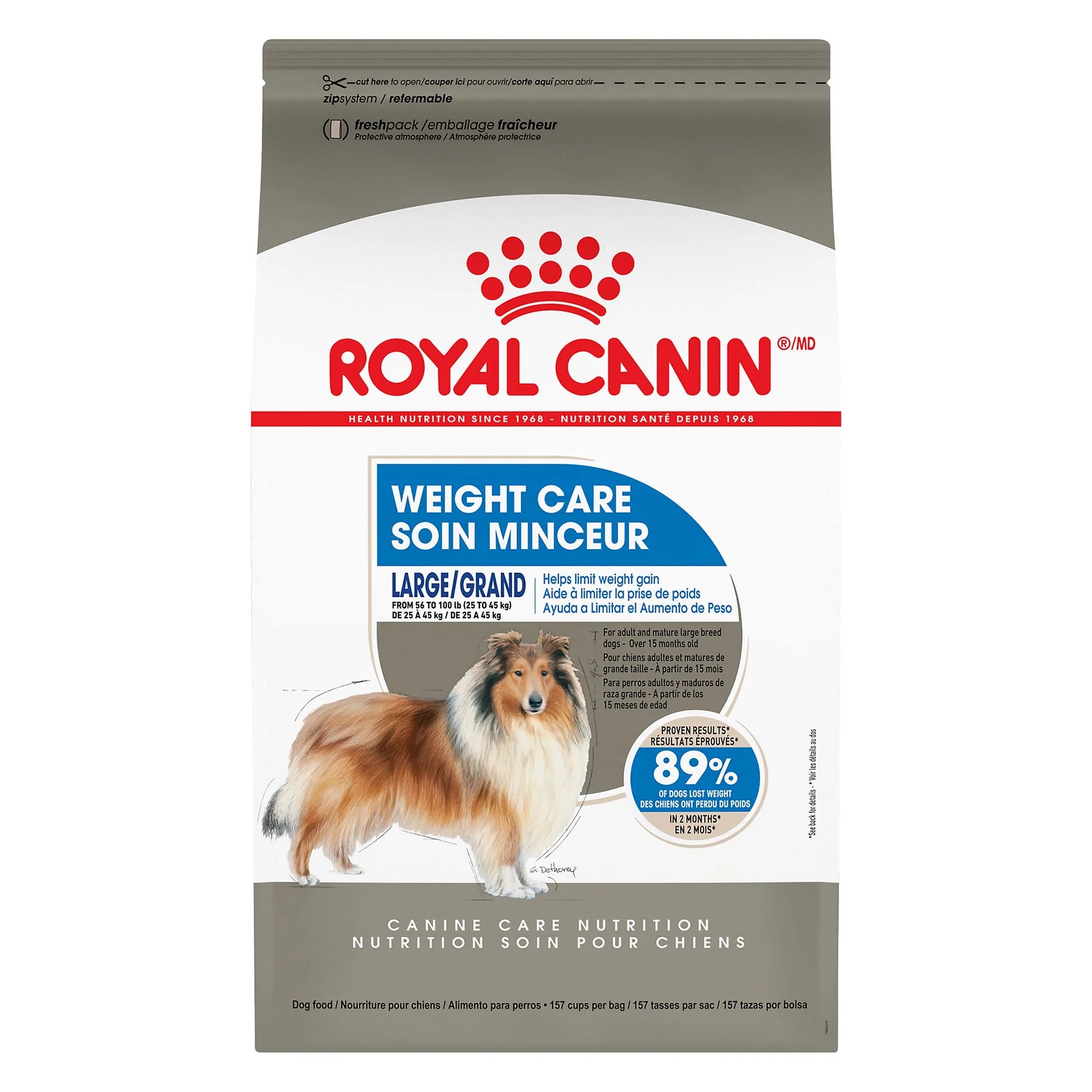
Maintaining a dog’s ideal weight is a fundamental aspect of responsible pet ownership, directly impacting longevity, mobility, and overall quality of life. The term “Royal Canin Weight Care” refers to a specific dietary approach and product line meticulously formulated by Royal Canin to address the critical issue of weight management in canines. This encompasses both preventing weight gain and aiding in healthy weight loss for dogs already carrying excess pounds. Understanding the principles behind such specialized nutrition is crucial for dog owners, as canine obesity is a widespread concern, often leading to serious health complications like diabetes, joint problems, and heart disease. By integrating targeted nutritional solutions like Royal Canin Weight Care, owners can proactively support their dog’s well-being, mitigate health risks, and contribute significantly to a happier, more active life for their cherished companion.
💡 Pet Care Key Takeaways:
- Core Focus: Practical health, nutrition, and wellness guidelines for Royal Canin Weight Care.
- Target Scope: Pet owners, animal caregivers, and veterinary support staff.
- Best Recommendation: Maintain consistent daily routines and consult an accredited veterinarian before introducing major diet or medical changes.
Common Causes and Key Factors
Canine weight gain is a multifaceted issue, often stemming from an imbalance between caloric intake and energy expenditure. A primary factor is overfeeding, which can occur through excessive portion sizes, frequent treats, or unrestricted access to food. Many owners inadvertently contribute to this by sharing human food, which is often high in calories, fats, and sugars unsuitable for a dog’s digestive system. For more related activities, check out our Doggy Day Care Upper East Side.
Lack of adequate physical activity is another significant contributor. Modern lifestyles sometimes lead to dogs receiving insufficient exercise, resulting in fewer calories burned and increased fat storage. Breed predispositions also play a role; some breeds, such as Beagles, Labrador Retrievers, and Pugs, are genetically more prone to weight gain than others due to slower metabolisms or increased appetites.
Age and neutering status can also influence a dog’s weight. Older dogs naturally have a reduced metabolism and activity level, requiring fewer calories. Similarly, neutered dogs often experience metabolic changes that can lead to weight gain if their diet is not adjusted accordingly. Underlying medical conditions, such as hypothyroidism or Cushing’s disease, can also manifest as unexplained weight gain, necessitating veterinary investigation.
Signs and Symptoms to Observe
Recognizing the early signs of canine weight gain is vital for timely intervention. One of the most straightforward indicators is the inability to easily feel a dog’s ribs when gently running hands along its side, without applying excessive pressure. A healthy dog typically has a discernible waistline when viewed from above, tapering in behind the rib cage. The absence of this waist, or a saggy abdomen, often points to excess body fat.
Behavioral changes can also signal a dog carrying too much weight. This might include reduced energy levels, a reluctance to engage in typical activities like playing or going for walks, and difficulty performing tasks that were once easy, such as jumping into a car or climbing stairs. Dogs may also exhibit increased panting or seem to tire more quickly during physical exertion.
Physical discomfort, such as lameness or stiffness, particularly in older dogs or those with pre-existing joint issues, can be exacerbated by excess weight. Skin fold development or chafing in certain areas, particularly around the neck or base of the tail, can also be observed. These signs can vary in prominence based on a dog’s breed, age, and individual body composition, emphasizing the need for regular observation and veterinary check-ups.
Practical Solutions and Management Strategies
Effective weight management for dogs requires a holistic approach, beginning with precise dietary control. Utilizing specialized formulas like Royal Canin Weight Care can be highly beneficial. These diets are typically formulated with a reduced calorie content while maintaining optimal levels of protein to support muscle mass and fiber to promote satiety, helping dogs feel full despite consuming fewer calories. Strict adherence to recommended feeding guidelines, often based on a dog’s ideal weight rather than its current weight, is paramount. Owners should use accurate measuring cups or a kitchen scale to ensure precise portion control.
Complementing dietary changes with increased physical activity is crucial. Daily walks, playtime, and engaging in activities such as swimming or fetch contribute significantly to calorie expenditure. The intensity and duration of exercise should be gradually increased, tailored to the dog’s current fitness level and health status. Short, frequent bursts of activity are often more effective than infrequent, strenuous sessions for dogs new to an exercise regimen.
Minimizing caloric treats and table scraps is another vital step. When treats are given, they should be low in calories and account for no more than 10% of a dog’s daily caloric intake. Incorporating non-food rewards, such as praise, petting, or a favorite toy, can also be an effective strategy during training and everyday interactions. Environmental adjustments, such as storing food out of reach and discouraging begging behaviors, further support a controlled feeding environment.
When Professional Help May Be Needed
While many cases of canine weight management can be addressed with diligent home care, certain situations warrant professional veterinary consultation. If a dog experiences sudden or unexplained weight gain, or if attempts at weight loss through diet and exercise prove unsuccessful, a veterinarian should be consulted. This is crucial to rule out any underlying medical conditions, such as hormonal imbalances or other illnesses, that might be contributing to the weight issue.
A veterinarian can provide a thorough physical examination, assess a dog’s body condition score (BCS), and recommend diagnostic tests if necessary. They can also formulate a personalized weight loss plan, which may include prescribing specific therapeutic diets like advanced Royal Canin Weight Care formulas, setting realistic weight loss goals, and monitoring progress through regular weigh-ins.
Furthermore, if a dog is experiencing mobility issues, lethargy, or other health complications that appear linked to its weight, immediate veterinary attention is advised. Nutritional guidance from a veterinary professional or certified pet nutritionist can be invaluable in navigating the complexities of canine diet, ensuring that a dog receives balanced nutrition while safely achieving and maintaining a healthy weight.
Conclusion
Managing a dog’s weight is a continuous commitment that profoundly influences its health and happiness. Products and strategies encapsulated by the term Royal Canin Weight Care offer valuable tools for owners dedicated to preventing and addressing canine obesity. Key takeaways include the importance of recognizing the common causes of weight gain, diligently observing for tell-tale signs, and implementing practical solutions centered on controlled nutrition and consistent physical activity. Proactive weight management not only extends a dog’s lifespan but also enhances its vitality and reduces the risk of numerous health problems. Through informed decisions, consistent care, and professional guidance when necessary, dog owners can ensure their beloved companions maintain an ideal weight, leading to a vibrant and fulfilling life for years to come.
Pet Care & Wellness Overview Table
| Life Stage | Daily Activity Level | Key Nutrition / Care Focus |
|---|---|---|
| Puppy / Kitten | High (frequent short bursts) | High-protein growth diet & early socialization |
| Adult Companion | Moderate (30–60 mins daily) | Balanced maintenance nutrition & dental hygiene |
| Senior Pets | Low to Gentle (mindful walks) | Joint support (Glucosamine) & routine vet checks |
Images References


For more expert pet care tips and advice, check out our dedicated Dog Care guides to keep your companions healthy and happy.


