Understanding the rare heritage of the Sakhalin dog requires a deep appreciation for endurance and isolation.
According to the American Kennel Club, rare heritage breeds require distinct management strategies due to their unique physiological and behavioral adaptations shaped by harsh geographic isolation. Originating from the rugged island of Sakhalin in the Russian Far East, the Sakhalin dog—historically known as the Karafuto Ken—stands as one of the ultimate symbols of canine resilience. Working alongside indigenous populations and polar explorers, this spitz-type working dog developed an iron constitution capable of withstanding sub-zero temperatures and treacherous terrain. In clinical practice, encountering a primitive breed of this magnitude brings a strong reminder of how deeply ancestral environment shapes modern physical and psychological traits.
💡 Pet Care Key Takeaways:
- Core Focus: Practical health, nutrition, and wellness guidelines for Sakhalin Dog.
- Target Scope: Pet owners, animal caregivers, and veterinary support staff.
- Best Recommendation: Maintain consistent daily routines and consult an accredited veterinarian before introducing major diet or medical changes.
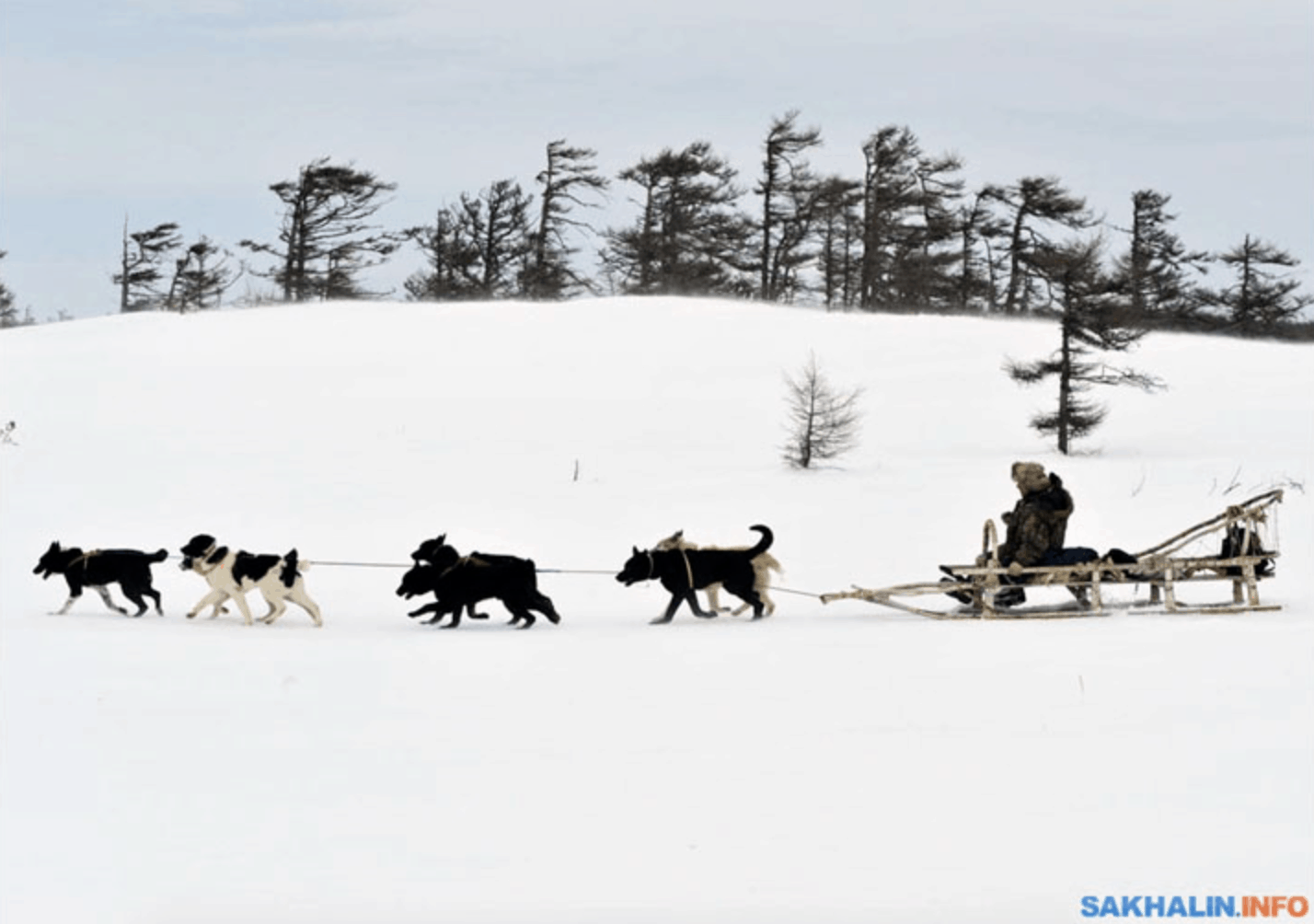
The Sakhalin dog is a powerful, thick-coated northern sled dog built for extreme cold and heavy pulling work.
Morphologically, this rare spitz features a dense double coat, powerful bone structure, and strong endurance designed specifically to conquer deep snowdrifts. Structurally, the double coat consists of a harsh, water-resistant outer guard layer paired with a soft, insulating undercoat that traps body heat efficiently during fierce winter storms. Observers working hands-on with heavy northern breeds often notice how their broad paws act naturally like snowshoes, distributing weight evenly across fragile crusts of ice. Beyond aesthetics, this formidable frame houses a strong-willed, fiercely independent working mindset that demands purposeful management from experienced handlers exploring Dog Breeds.
Managing a primitive working breed requires an acute understanding of how environment directly dictates behavior and physical well-being.
Without an active job or constructive outlets, individuals from high-drive northern lineages frequently develop severe cabin fever, fence-fighting, or destructive chewing behaviors out of pure frustration. Physical conditioning must be approached methodically, paying careful attention to joint health, seasonal coat blowouts, and nutritional requirements suited for high-output working canines. During routine physical examinations, professionals often observe that primitive breeds display a unique stoicism, frequently masking minor discomfort or localized pain until clinical signs become pronounced. Consequently, routine at-home wellness checks and careful monitoring of daily activity levels remain absolutely crucial for catching subtle health shifts early.
Northern spitz-type working breeds possess high metabolic demands during cold weather and intense physical conditioning — American Kennel Club
Proper stewardship of a Sakhalin dog centers around consistent structure, mental enrichment, and respectful, positive leadership.
Training an independent-thinking northern dog relies heavily on mutual trust rather than coercive methods, making modern, science-based educational tools found under Dog Training exceptionally valuable. Because these dogs possess strong predatory drift and autonomous decision-making skills, reliable recall in uncontained environments is notoriously difficult to achieve. Handlers must incorporate heavy mental stimulation, such as puzzle toys, tracking games, and scent work, to keep an active working mind productively engaged indoors. Furthermore, socialization must begin during early puppyhood to prevent extreme wariness toward strangers or unfamiliar stimuli from solidifying into defensive reactivity.
Common pitfalls in handling primitive northern dogs usually stem from underestimating their intense exercise needs and strong pack instincts.
A frequent mistake involves attempting to treat this ancient arctic type like a standard companion house pet without providing adequate outlets for their natural instincts. Owners must recognize that confinement in small apartments without robust physical exertion paves the way for severe behavioral challenges that require guidance from Dog Behavior specialists. Additionally, neglecting proper grooming schedules during seasonal shedding phases leads to painful matting and trapped moisture, which subsequently compromises skin health and thermal regulation. Maintaining open lines of communication with experienced breeders and canine professionals ensures that these rare heritage animals thrive physically and emotionally.
Consistent positive reinforcement and structured mental stimulation significantly reduce frustration-based reactivity in high-drive working dogs — American Veterinary Medical Association
Pet Care & Wellness Overview Table
| Life Stage | Daily Activity Level | Key Nutrition / Care Focus |
|---|---|---|
| Puppy / Kitten | High (frequent short bursts) | High-protein growth diet & early socialization |
| Adult Companion | Moderate (30–60 mins daily) | Balanced maintenance nutrition & dental hygiene |
| Senior Pets | Low to Gentle (mindful walks) | Joint support (Glucosamine) & routine vet checks |
Images References


Temperament considerations for the Sakhalin dog highlight a loyal yet fiercely autonomous personality profile.
While deeply devoted to their human pack, these dogs rarely display the clingy, people-pleasing demeanor seen in typical companion gundog or herding groups. Their native intelligence allows them to evaluate situations independently, which casual observers might misinterpret as stubbornness during obedience sessions. Social dynamics within multi-pet households require careful monitoring, as primitive northern dogs maintain strong hierarchical instincts and can be protective of high-value resources. Understanding these nuanced behavioral tendencies allows prospective families to evaluate whether their lifestyle aligns with the daily commitments demanded by such a rare and specialized animal.
Whenever an owner notices sudden shifts in mobility, unexplained lethargy, or persistent behavioral regressions, consulting a licensed veterinarian or a certified behaviorist is paramount. Comprehensive wellness assessments help rule out underlying medical conditions that frequently mask themselves as simple obedience issues or stubbornness. For specialized care routines, dietary adjustments, or preventative wellness schedules, exploring resources within Dog Health and Dog Nutrition provides a solid foundation. Tailored professional advice ensures that every unique health or training challenge receives the precise, individualized attention it requires.
Embracing the rich history and distinct care requirements of northern heritage breeds enriches the human-canine bond immeasurably.
Honoring the deep-rooted legacy of rare northern canines like the Sakhalin dog requires patience, dedicated education, and active partnership. By blending traditional working insights with modern veterinary science, owners can ensure a high quality of life for these magnificent animals. For further reading on specialized husbandry, physical upkeep, and general canine well-being, explore the comprehensive guides available on Dog Care and the main hub at PetsAnimalsWorld.com.