

Recognizing the health issues that frequently impact canine companions is an essential responsibility for every dedicated pet owner.
According to the American Veterinary Medical Association, proactive wellness care and early detection of routine illnesses significantly extend the lifespan and vitality of domestic dogs. Walking through the examination room doors daily, clinical professionals observe that many chronic or acute ailments share similar preliminary warning signs. Dogs cannot verbally express discomfort, meaning humans must interpret subtle shifts in appetite, energy levels, and posture. Understanding the spectrum of veterinary medicine allows families to provide superior Dog Health support long before minor symptoms escalate into emergencies.
💡 Pet Care Key Takeaways:
- Core Focus: Practical health, nutrition, and wellness guidelines for 10 Most Common Dog Diseases.
- Target Scope: Pet owners, animal caregivers, and veterinary support staff.
- Best Recommendation: Maintain consistent daily routines and consult an accredited veterinarian before introducing major diet or medical changes.
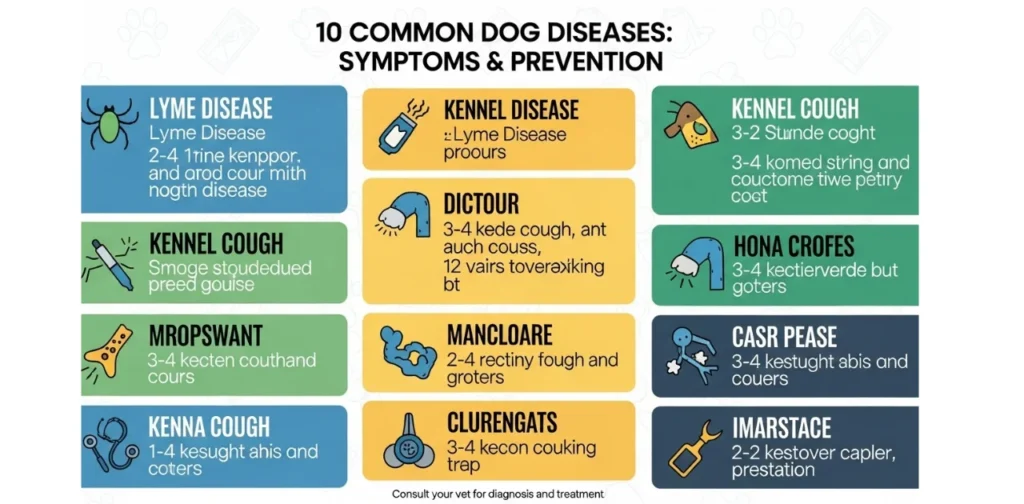
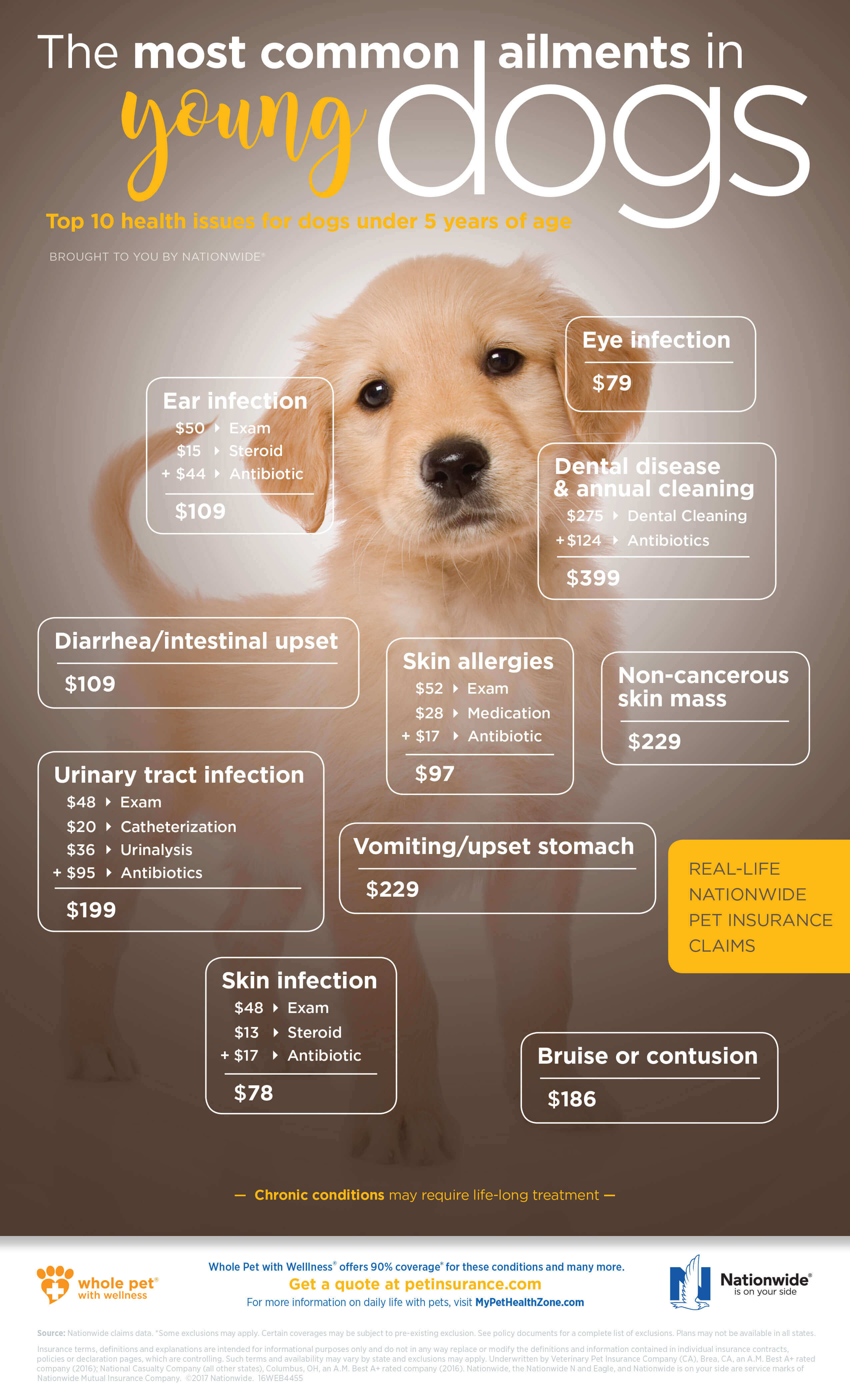
The ten most common dog diseases encompass a range of conditions affecting metabolic, structural, and dermal systems.
Dental periodontal disease, otitis externa (ear infections), canine osteoarthritis, dermatitis (skin allergies), obesity, gastroenteritis, urinary tract infections, heartworm disease, hypothyroidism, and diabetes mellitus make up the predominant medical concerns diagnosed in veterinary clinics worldwide. Periodontal disease starts with plaque accumulation, eventually leading to systemic bacteria entering the bloodstream. Concurrently, canine osteoarthritis involves the gradual degradation of joint cartilage, causing stiffness and chronic pain. Skin conditions, driven by environmental allergens or food sensitivities, frequently manifest as excessive scratching and secondary bacterial infections. Each of these twenty-first-century medical challenges requires tailored monitoring to maintain optimal canine well-being.
Left unmanaged, these prevalent medical conditions can profoundly diminish overall vitality and compromise daily mobility.
Unchecked dental disease routinely causes systemic organ stress affecting the kidneys, liver, and heart valves. Meanwhile, unchecked joint deterioration transforms a lively companion into a reluctant walker, ultimately altering gait and muscle mass distribution. Metabolic disorders like hypothyroidism disrupt cellular metabolism, resulting in lethargy, unexpected weight gain, and poor coat quality. Clinical practice frequently reveals that owners mistake early joint stiffness or gradual slowing down for normal aging, when underlying pathology is actually progressing. Identifying these physical barriers early ensures that proper Dog Care protocols can be implemented swiftly.
Periodontal disease affects the vast majority of dogs by three years of age — American Veterinary Medical Association
Managing and preventing these prevalent veterinary conditions relies on consistent routines and preventative medicine.
Comprehensive management strategies involve routine wellness exams, balanced daily exercise, and strict parasite prevention protocols. Annual or biannual blood panels allow veterinary teams to catch metabolic drifts in blood sugar or thyroid hormone levels before clinical symptoms become severe. Maintaining an ideal body condition score through precise portion control safeguards joint health by reducing unnecessary mechanical stress on skeletal frames. Additionally, daily or weekly home maintenance—such as teeth brushing and ear cleaning—prevents common infections from taking hold in vulnerable tissues.
Avoiding common diagnostic blind spots ensures optimal protection against progressive illnesses.
A frequent mistake involves waiting until a dog displays obvious signs of pain before seeking professional veterinary guidance. Canines possess an instinctual drive to mask discomfort, meaning severe internal distress often hides behind a wagging tail. Another oversight is failing to maintain year-round parasite prevention, which leaves animals vulnerable to vector-borne illnesses. Establishing a collaborative relationship with a primary veterinarian ensures that individualized vaccination and screening schedules match the specific lifestyle and geographic risks of each animal.
Canine obesity is considered the most common preventable nutritional disease in modern veterinary medicine — Association for Pet Obesity Prevention
Pet Care & Wellness Overview Table
| Life Stage | Daily Activity Level | Key Nutrition / Care Focus |
|---|---|---|
| Puppy / Kitten | High (frequent short bursts) | High-protein growth diet & early socialization |
| Adult Companion | Moderate (30–60 mins daily) | Balanced maintenance nutrition & dental hygiene |
| Senior Pets | Low to Gentle (mindful walks) | Joint support (Glucosamine) & routine vet checks |
Images References


Certain breeds, ages, and physiological types face higher statistical predispositions toward specific veterinary disorders.
Genetics heavily influence susceptibility, meaning certain Dog Breeds require specialized monitoring throughout their life stages. Large and giant breeds, such as Labrador Retrievers and German Shepherds, experience a much higher incidence of hip dysplasia and osteoarthritis. Conversely, smaller breeds like Poodles and Miniature Schnauzers are prone to dental crowding, tracheal collapse, and pancreatitis. Senior animals across all body types experience elevated risks for endocrine imbalances and age-related cognitive decline, necessitating specialized senior wellness screening.
Professional veterinary consultation remains mandatory whenever unusual physiological shifts or persistent symptoms occur.
Self-diagnosing complex internal medicine issues using internet resources risks delaying critical life-saving interventions. Always confirm diagnostic suspicions and treatment plans directly with a licensed veterinarian before altering a companion’s lifestyle, supplement intake, or daily routine. If a dog exhibits sudden lethargy, labored breathing, prolonged vomiting, or uncharacteristic aggression stemming from hidden pain, professional medical evaluation is required immediately. Expert diagnostics, including bloodwork, digital radiography, and urinalysis, provide the definitive answers needed to restore health.
Prioritizing preventative health measures guarantees a long, vibrant life for beloved household companions.
Navigating the complexities of canine medicine requires patience, observation, and a reliable veterinary partnership. By staying informed about prevalent medical conditions, guardians can spot subtle changes long before they turn into severe crises. Exploring additional resources available through PetsAnimalsWorld.com empowers owners to make confident, education-based choices every single day. Consistent attention to Dog Nutrition and preventative veterinary medicine ultimately ensures that every canine companion enjoys maximum comfort, health, and happiness.




