

Recognizing the unexpected behavioral shifts in a dog losing hearing requires patience, empathy, and careful observation from the people who love them.
According to the American Kennel Club, dogs can experience progressive hearing loss as a natural part of aging, though congenital deafness also affects several popular breeds. When a canine companion stops responding to familiar household sounds, the resulting adjustments can disrupt their daily routine and emotional equilibrium. Observing a previously obedient animal suddenly fail to recall or startle easily often prompts deep concern among caregivers. Understanding how sensory decline manifests in everyday actions helps households bridge the communication gap before frustration takes root for both species. Explore more in our Dog Health collection.
💡 Pet Care Key Takeaways:
- Core Focus: Practical health, nutrition, and wellness guidelines for Signs Of A Deaf Dog Behavior Problems.
- Target Scope: Pet owners, animal caregivers, and veterinary support staff.
- Best Recommendation: Maintain consistent daily routines and consult an accredited veterinarian before introducing major diet or medical changes.
Recognizing signs of a deaf dog behavior problems involves identifying subtle shifts in responsiveness, vocalization, and environmental awareness.
Behavioral challenges in deaf canines rarely stem from stubbornness or disobedience; instead, they emerge directly from confusion, heightened anxiety, and the sudden absence of auditory cues. A dog that once slept soundly through household commotions might now startle aggressively when approached from behind, operating purely on survival instincts when a shadow falls across the floor. Furthermore, profound changes in vocalization frequently occur, resulting in excessive barking or whining because the animal cannot monitor the volume of their own voice. Recognizing these signs of a deaf dog behavior problems requires looking past the outward frustration and examining the underlying sensory deprivation. For more related activities, check out our Victorian Bulldog Brachycephalic Dog Breed.
Without auditory input to contextualize environmental changes, animals often develop hyper-vigilance or clingy attachments, refusing to let caregivers out of their sight. This constant state of alertness elevates stress hormones, which can manifest as destructive chewing, pacing, or accidental house-soiling due to broken routines. In clinical practice, canine behaviorists frequently observe dogs that become defensive around other pets because they miss the subtle growls or warning signals of housemates. Addressing these profound lifestyle adjustments demands a shift away from traditional auditory commands toward visual communication systems.
Canines experiencing sudden sensory deprivation often display redirected aggression out of pure startle reflex rather than malicious intent — American Kennel Club
Implementing positive reinforcement, visual cues, and environmental management effectively resolves most behavioral difficulties associated with canine hearing loss.
Successful adaptation relies heavily on establishing a predictable routine and teaching a vocabulary of hand signals instead of spoken words. Caregivers can condition their dogs to associate a gentle floor vibration, such as a soft footstep or a flicked light switch, with positive attention and treats. During initial consultations, certified trainers emphasize that punishment-based corrections only escalate fear in sensory-impaired animals, making positive reinforcement absolute and non-negotiable. Creating safe, secure zones where the dog cannot be unexpectedly cornered reduces anxiety and promotes relaxed, confident behaviors.
Avoiding common management mistakes prevents accidental escalation of fear and solidifies trust between the canine and the household.
A frequent error among owners involves looming over a sleeping deaf dog to wake them up, which routinely triggers a defensive snap due to the startle reflex. Instead, teaching the animal to wake up to the scent of a treat or a gentle tap on the surface beneath their bed fosters a sense of security. Additionally, allowing a deaf dog to roam off-leash in unfenced areas creates severe safety hazards, as they cannot hear approaching vehicles, cyclists, or wildlife. Maintaining consistent visual contact during outdoor excursions protects the animal while preserving their freedom to explore safely.
Establishing consistent visual hand signals can restore seamless communication and reduce anxiety in over ninety percent of newly deaf canines — American Society for the Prevention of Cruelty to Animals
Pet Care & Wellness Overview Table
| Life Stage | Daily Activity Level | Key Nutrition / Care Focus |
|---|---|---|
| Puppy / Kitten | High (frequent short bursts) | High-protein growth diet & early socialization |
| Adult Companion | Moderate (30–60 mins daily) | Balanced maintenance nutrition & dental hygiene |
| Senior Pets | Low to Gentle (mindful walks) | Joint support (Glucosamine) & routine vet checks |
Images References


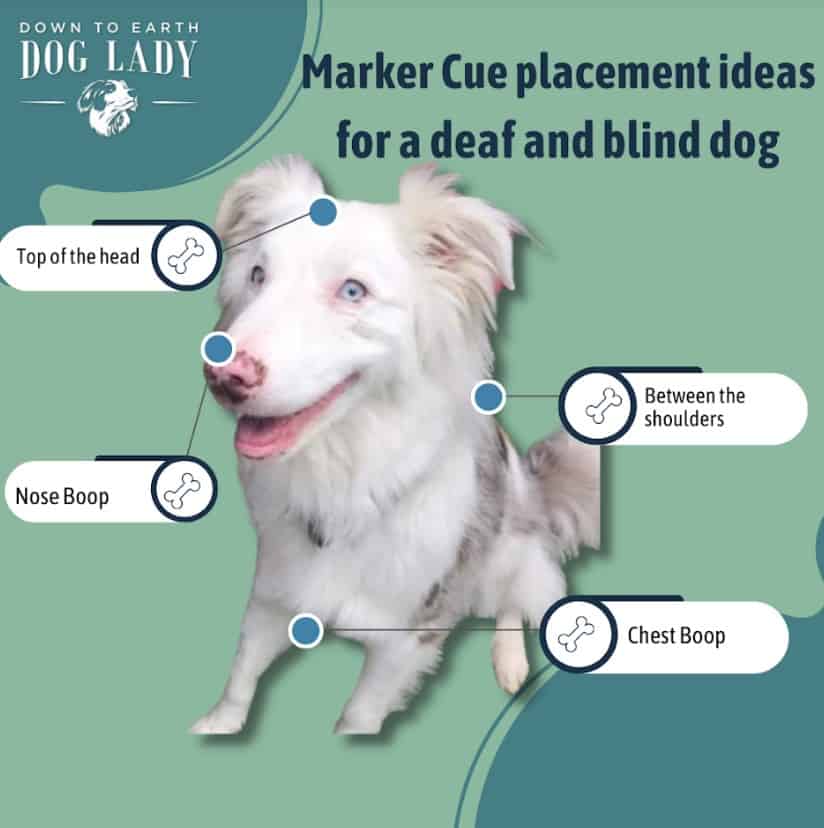


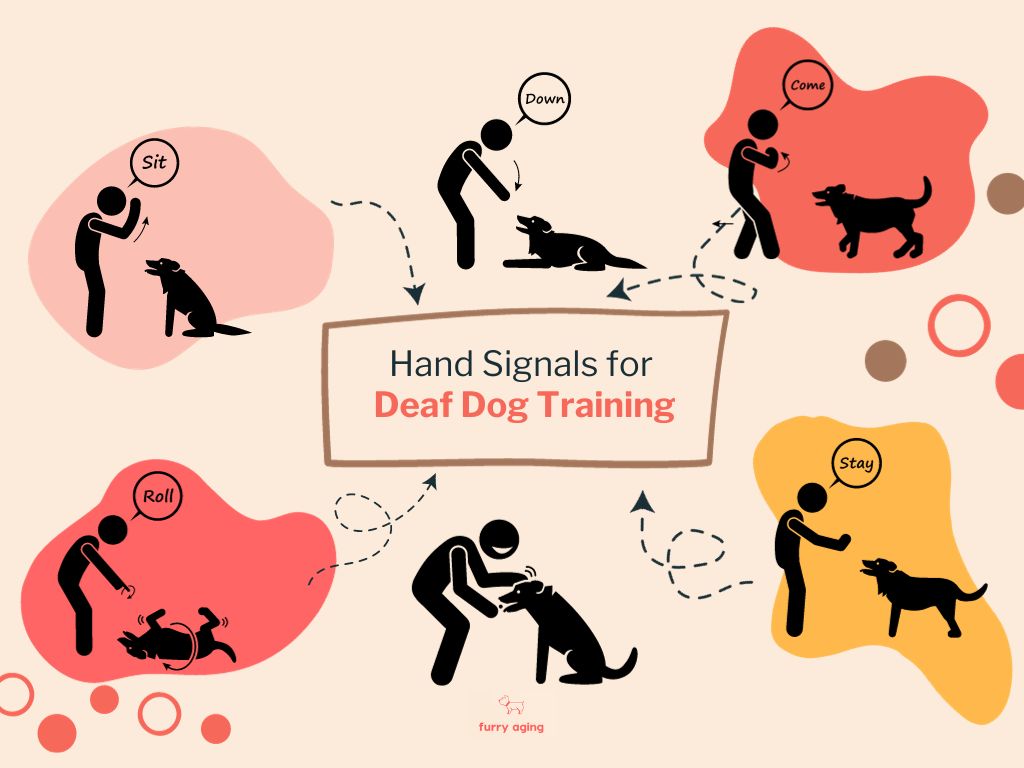

Certain breeds, coat colors, and aging populations present higher predispositions toward sensory decline and subsequent behavioral adjustments.
Genetics play a massive role in congenital hearing loss, with double-merle coat patterns—common in Australian Shepherds, Dalmatians, and Colles—frequently linked to inner ear degeneration and pigmentation issues. Older dogs of any breed, meanwhile, experience natural sensorineural degeneration, where the delicate hair cells inside the cochlea gradually wear down over time. Senior animals may also develop cognitive dysfunction syndrome, a condition similar to human dementia that compounds the confusion caused by hearing loss. Recognizing these biological vulnerabilities allows caregivers to tailor their management strategies to the specific life stage and genetic makeup of their companion.
Professional veterinary evaluation remains essential to rule out treatable medical conditions before attributing behavioral changes solely to permanent deafness.
Before implementing a specialized behavioral modification plan, a thorough physical examination by a licensed veterinarian is mandatory to rule out acute ear infections, severe wax buildup, or neurological obstructions. In many cases, temporary hearing impairment caused by blockages can be successfully treated, entirely reversing the perceived behavioral problems. If permanent deafness is confirmed, the veterinary team can refer the household to a certified veterinary behaviorist who specializes in sensory-impaired animal rehabilitation. Professional guidance ensures that underlying medical pain is addressed and that training protocols remain safe, humane, and effective.
Supporting a sensory-impaired companion deepens the human-animal bond and ensures a peaceful, enriching environment for everyone involved.
Living with a deaf dog teaches households the profound value of non-verbal communication, patience, and heightened mindfulness in everyday interactions. By addressing the root causes of anxiety and replacing lost sounds with predictable visual cues, caregivers unlock a harmonious lifestyle that honors their animal’s unique needs. Explore further insights into Dog Training, learn about specialized Dog Care practices, or visit PetsAnimalsWorld.com to discover more resources dedicated to helping every pet thrive.


