
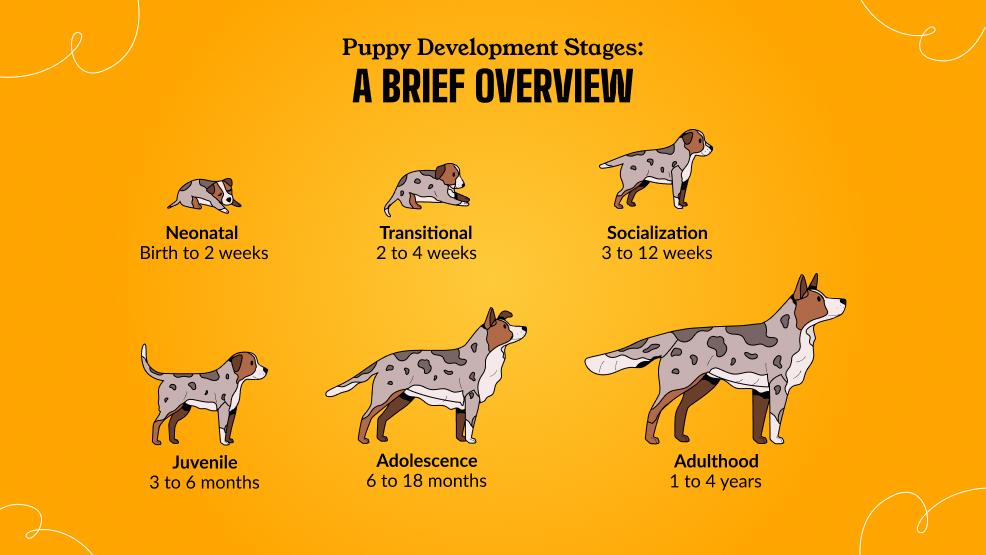
According to the American Kennel Club, adolescence in dogs frequently spans from roughly six months through two years of age, bringing notable developmental shifts. Walking through the clinic doors, a common observation involves owners expressing utter shock that their once-docile puppy has seemingly transformed overnight. A canine at this specific age is technically a teenager, complete with hormonal surges, boundary testing, and an abundance of physical energy. Recognizing this distinct developmental stage helps reframe daily challenges into expected milestones rather than training failures. Patience during this phase lays the groundwork for a calm, well-adjusted adult companion.
💡 Pet Care Key Takeaways:
- Core Focus: Practical health, nutrition, and wellness guidelines for 15 Month Old Dog Behavior.
- Target Scope: Pet owners, animal caregivers, and veterinary support staff.
- Best Recommendation: Maintain consistent daily routines and consult an accredited veterinarian before introducing major diet or medical changes.
Fifteen-month-old dog behavior represents the peak of canine adolescence, characterized by a potent mix of adult physical size and juvenile impulse control.
Canine adolescence at fifteen months brings a fascinating neurological tug-of-war between maturity and impulsivity. During daily consultations, handlers often report sudden bouts of selective hearing and boundary testing, where commands previously mastered are seemingly forgotten. This phenomenon occurs because the brain undergoes significant remodeling during adolescence, temporarily impacting working memory and emotional regulation. Furthermore, physical maturity often outpaces mental maturity, resulting in large, powerful bodies driven by puppy-like attention spans. Understanding this gap between size and sensibility prevents unrealistic expectations and reduces frustration during daily routines.
Addressing behavioral shifts during this window requires a focus on consistency, positive reinforcement, and mental enrichment rather than restrictive management. In professional practice, structured routines consistently emerge as the most effective antidote to teenage chaos. When a young dog lacks structured outlets for mental and physical exertion, they often invent their own jobs, which commonly manifest as destructive chewing or excessive vocalization. Implementing daily puzzle toys, scent games, and clear boundary-setting redirects that surging adolescent drive into productive channels. Consequently, households that maintain clear, fair rules experience far fewer behavioral crises as their pets transition into full adulthood.
Adolescent dogs require ongoing socialization and structured mental stimulation to prevent the emergence of fear-based reactivity and destructive habits during their developmental peak — American Kennel Club
Managing adolescent antics successfully relies on daily reinforcement of foundational obedience paired with appropriate physical outlets.
Establishing predictable daily structures helps adolescent canines regulate their high energy levels and maintain focus during training sessions. When working through behavioral hurdles, certified behaviorists frequently emphasize the power of management and proactive redirection over reactive corrections. If a young dog begins pacing or exhibiting frantic energy, preemptively offering a chew toy or initiating a short training game prevents the rehearsal of unwanted behaviors. Additionally, ensuring adequate daily exercise tailored to the specific breed type prevents restlessness. Consistency across all household members remains paramount, as mixed signals only prolong the testing phase.
Avoiding common training pitfalls prevents frustration and strengthens the human-animal bond during these formative months.
A frequent mistake observed in practice is escalating punishment when adolescent rebellion peaks, which frequently damages trust and increases anxiety. Instead, handlers achieve superior results by breaking commands down into smaller steps and rewarding successful engagement enthusiastically. Skipping mental enrichment in favor of purely physical exercise is another common pitfall; a tired body with a bored brain will still find mischief. Maintaining short, high-value training sessions throughout the day keeps engagement high without overwhelming a developing attention span. Celebrating small victories fosters a positive learning environment that encourages lifelong compliance.
Positive reinforcement training methods significantly reduce stress-related behaviors and improve learning outcomes in adolescent domestic dogs compared to aversive techniques — American Veterinary Medical Association
Pet Care & Wellness Overview Table
| Life Stage | Daily Activity Level | Key Nutrition / Care Focus |
|---|---|---|
| Puppy / Kitten | High (frequent short bursts) | High-protein growth diet & early socialization |
| Adult Companion | Moderate (30–60 mins daily) | Balanced maintenance nutrition & dental hygiene |
| Senior Pets | Low to Gentle (mindful walks) | Joint support (Glucosamine) & routine vet checks |
Images References


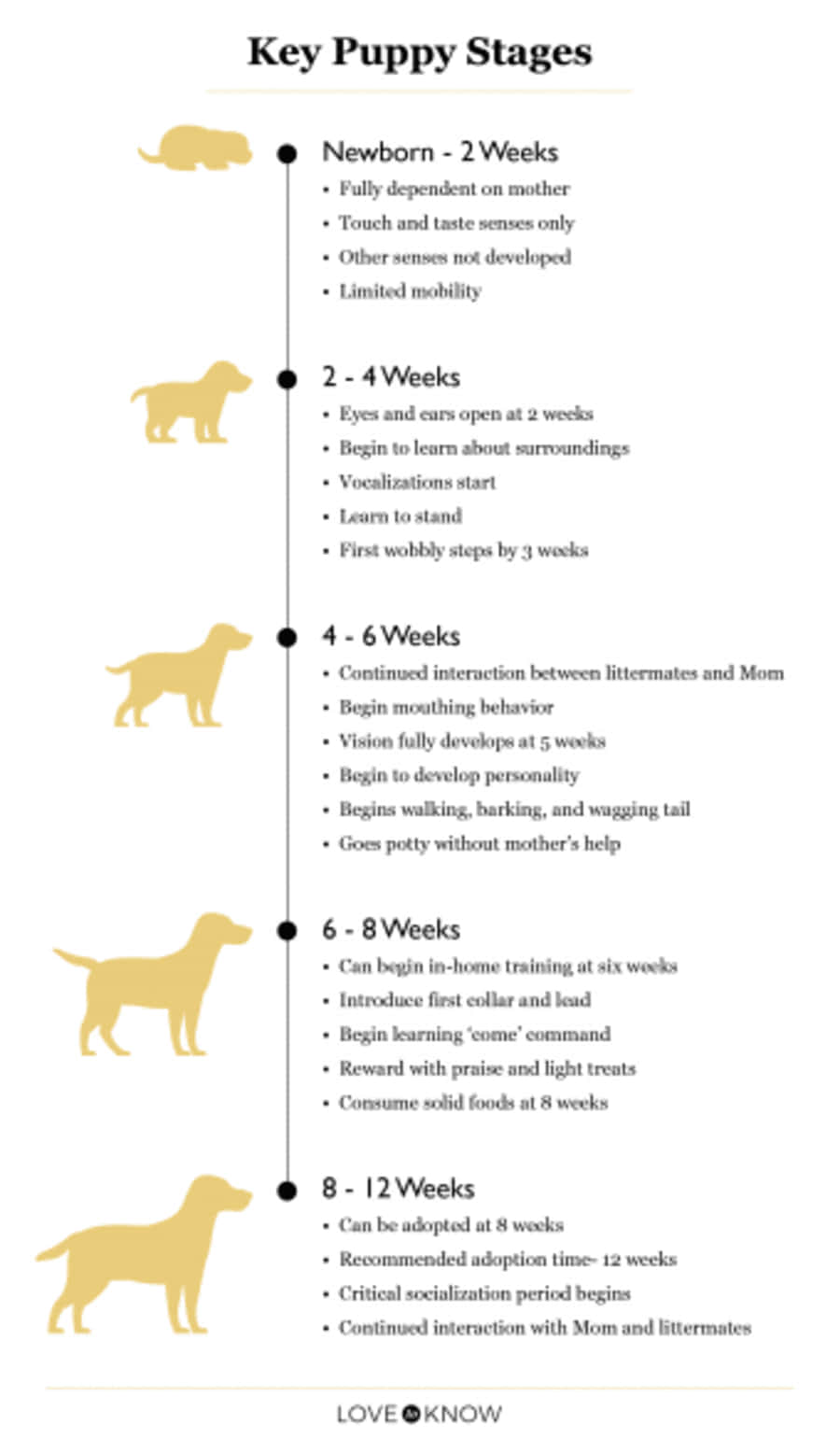


Breed-specific traits and adult size heavily influence how teenage behaviors manifest within a home environment.
Individual development rates vary wildly depending on whether the animal belongs to a toy, medium, or giant breed. Working and herding breeds, known in the dog training world as high-drive types bred for specific jobs, often display intense adolescent energy that demands heavy physical and cognitive tasks. Conversely, toy breeds may mature physically faster while retaining playful, puppy-like antics well past the fifteen-month mark. Recognizing these inherent genetic predispositions allows caretakers to tailor their expectations and management strategies to fit their specific companion. Consulting resources on Dog Breeds provides deeper insight into these unique developmental trajectories.
Professional intervention becomes essential when adolescent challenges escalate into persistent fear, severe anxiety, or dangerous reactivity.
While typical teenage rebellion involves selective hearing and mild boundary pushing, sudden changes in temperament require professional medical and behavioral evaluation. When behavioral issues involve aggression, extreme fear, or compulsive habits, consult a certified professional trainer or a veterinary behaviorist rather than relying on standard obedience tips. A thorough veterinary examination by a qualified practitioner is always the crucial first step to rule out underlying pain or medical conditions contributing to sudden behavioral shifts. Exploring guides on Dog Behavior and Dog Health can help owners prepare for these important professional consultations.
Supporting a maturing canine companion through their teenage months lays the foundation for a peaceful, lifelong friendship.
Surviving the adolescent phase requires a blend of unwavering patience, structured routines, and proactive mental engagement from every household member. By understanding the biological and psychological shifts occurring at this stage, caretakers can guide their pets toward balanced, confident adulthood. Remember that this challenging phase is temporary, and the consistent effort invested today yields a loyal, well-mannered companion for years to come. For further guidance on keeping your household thriving, explore additional expert resources across Dog Care, Dog Nutrition, and Dog Training available right here at PetsAnimalsWorld.com.




