
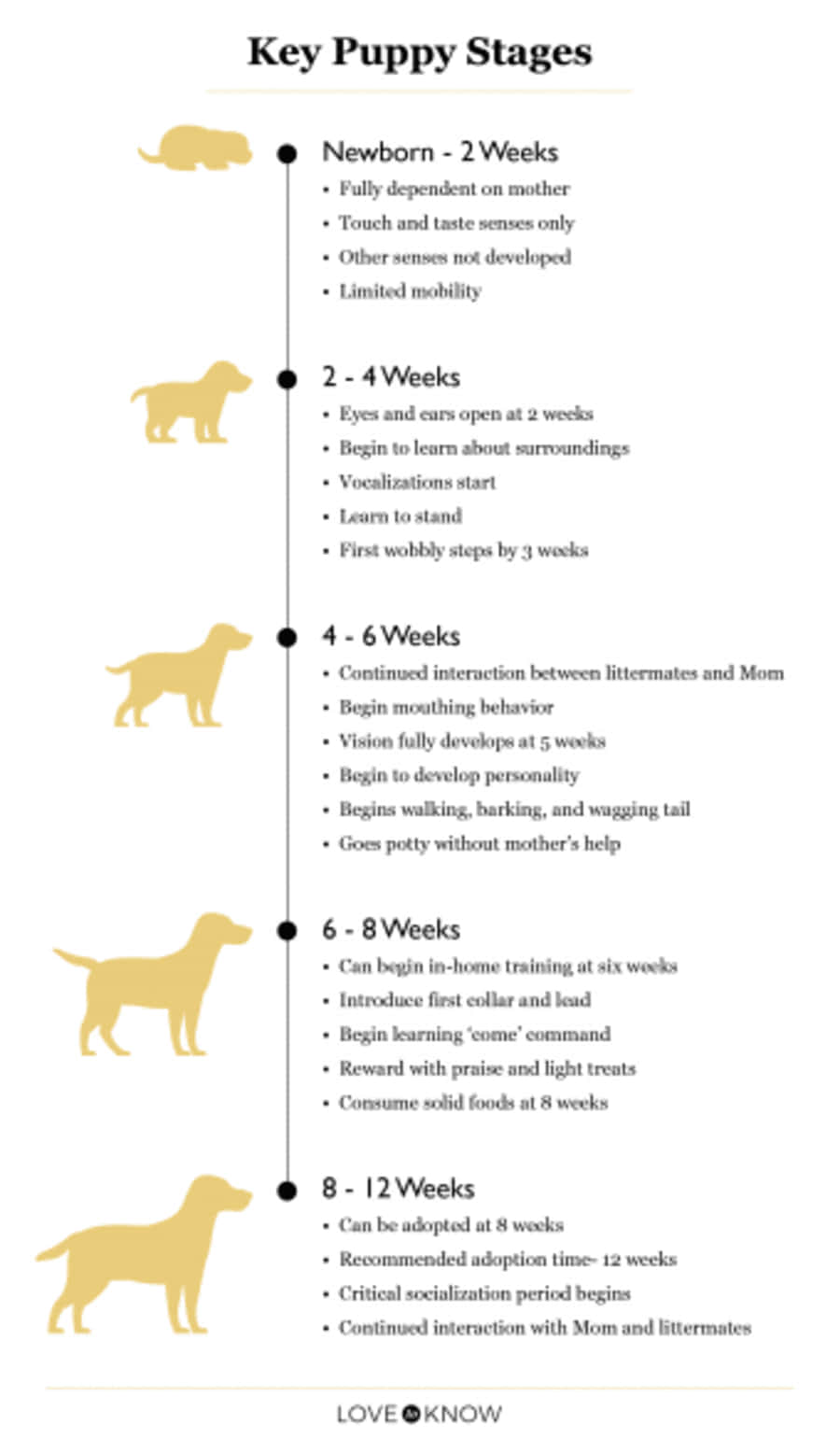
According to the American Kennel Club, the period bridging early puppyhood and adolescence represents a critical window of neurological development where environmental impressions permanently shape adult temperament. During this specific window, households often notice a sudden pivot in how a young dog interacts with the world, moving from dependent infancy toward curious, boundary-testing independence. Professional practice in veterinary clinics frequently reveals that caregivers feel blindsided by these rapid transitions, mistaking normal developmental phases for stubborn disobedience. Understanding these shifts helps caregivers foster lifelong confidence and resilience in their developing companions.
💡 Pet Care Key Takeaways:
- Core Focus: Practical health, nutrition, and wellness guidelines for 15 Week Old Puppy Changes.
- Target Scope: Pet owners, animal caregivers, and veterinary support staff.
- Best Recommendation: Maintain consistent daily routines and consult an accredited veterinarian before introducing major diet or medical changes.
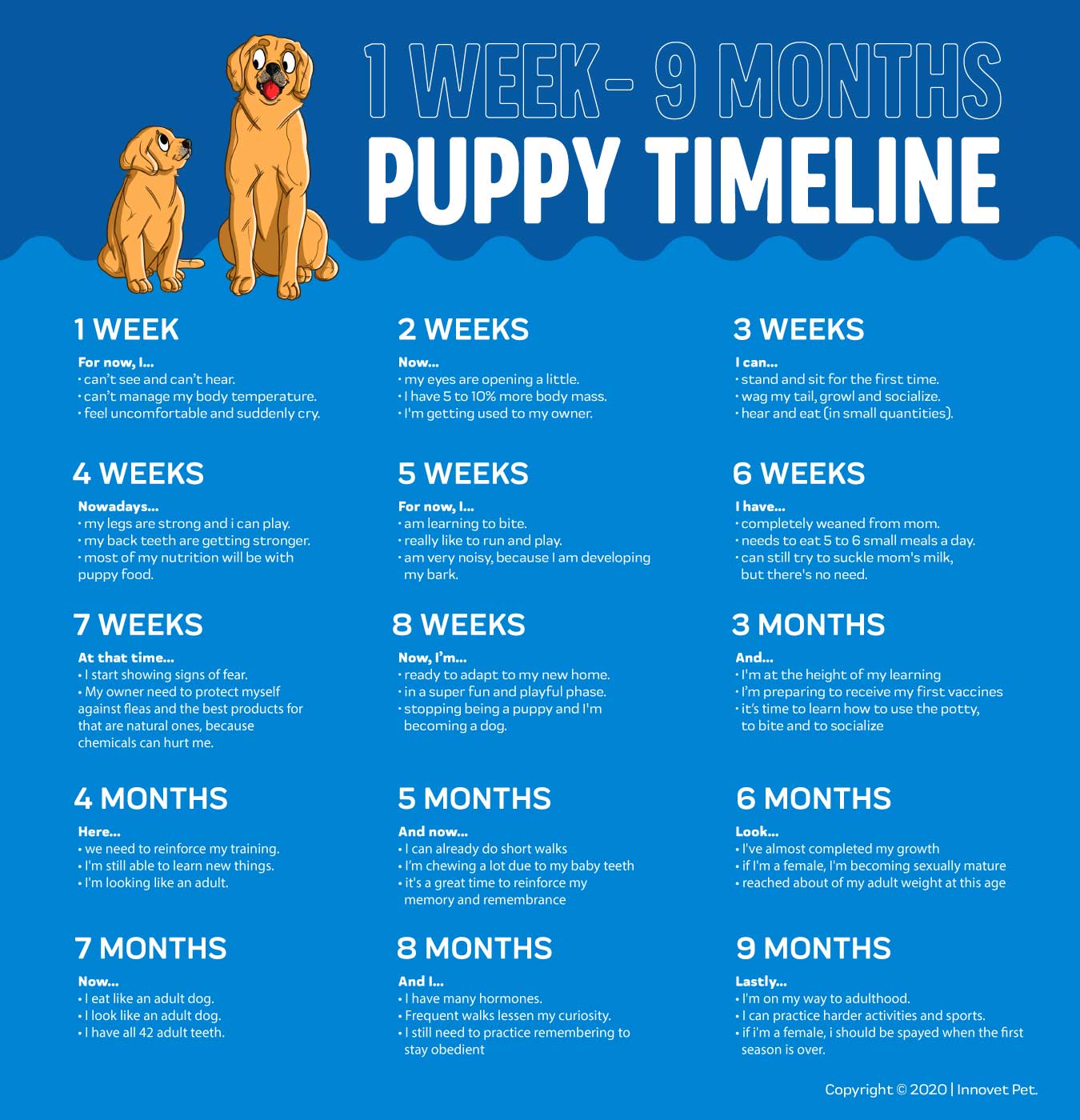
Fifteen-week-old puppy changes refer to the transitional developmental phase marked by intense sensory exploration, physical growth spurts, and the onset of the canine juvenile stage.
At approximately three and a half months of age, canine brains undergo a surge in synaptic pruning and neural wiring, significantly enhancing memory retention and problem-solving abilities. This neurological upgrade means the puppy absorbs training lessons faster than before, yet it also means negative experiences leave a deeper, more lasting impression. Alongside cognitive leaps, physical transformations accelerate dramatically, requiring careful monitoring of skeletal development and nutritional intake. Supporting this stage properly requires a solid foundation in fundamental Dog Training principles to channel that newfound brainpower constructively.
As permanent teeth begin pressing against fragile gums, physiological discomfort drives an intense urge to chew on furniture, fingers, and household items. Concurrently, a temporary drop in emotional resilience can trigger sudden fears toward previously accepted objects or sounds, a phenomenon frequently documented in behavioral science. Clinical observations in exam rooms often highlight how a lack of appropriate outlets during this period exacerbates destructive habits and anxiety-based reactivity. Caregivers must balance socialization exposure with gentle reassurance to prevent permanent fear associations from taking root.
Behavioral volatility peaks between twelve and sixteen weeks of age as canine brains process environmental stimuli with heightened sensitivity. — American Kennel Club
Proactive management of adolescent milestones requires structured routines, positive reinforcement, and careful environmental enrichment.
Establishing predictable daily schedules helps anchor a growing dog through hormonal and psychological fluctuations, reducing anxiety-driven outbursts. Offering durable, chew-safe objects satisfies the biological imperative driven by teething without risking dental fractures or intestinal blockages from splintered wood. Furthermore, integrating short, engaging obedience sessions utilizes the dog’s expanding cognitive capacity while strengthening the bond between companion and caregiver. Maintaining consistency across all household members ensures the growing animal receives clear, unambiguous signals regarding acceptable household conduct.
Avoiding common management pitfalls during this rapid growth phase protects both physical safety and emotional well-being.
A frequent mistake involves imposing harsh corrections for natural exploratory behaviors, which can permanently damage trust and induce defensive aggression. Instead of punishing curiosity, professionals recommend redirecting unwanted actions toward appropriate alternatives like interactive puzzle toys or structured games. Additionally, avoiding forced physical exercise protects vulnerable growth plates in the joints from long-term damage during high-impact activities. Prioritizing mental stimulation alongside physical play ensures balanced development without overtaxing a rapidly growing skeleton.
Over-exercising young canines on hard surfaces before growth plates close can lead to permanent structural joint abnormalities. — American Veterinary Medical Association
Pet Care & Wellness Overview Table
| Life Stage | Daily Activity Level | Key Nutrition / Care Focus |
|---|---|---|
| Puppy / Kitten | High (frequent short bursts) | High-protein growth diet & early socialization |
| Adult Companion | Moderate (30–60 mins daily) | Balanced maintenance nutrition & dental hygiene |
| Senior Pets | Low to Gentle (mindful walks) | Joint support (Glucosamine) & routine vet checks |
Images References


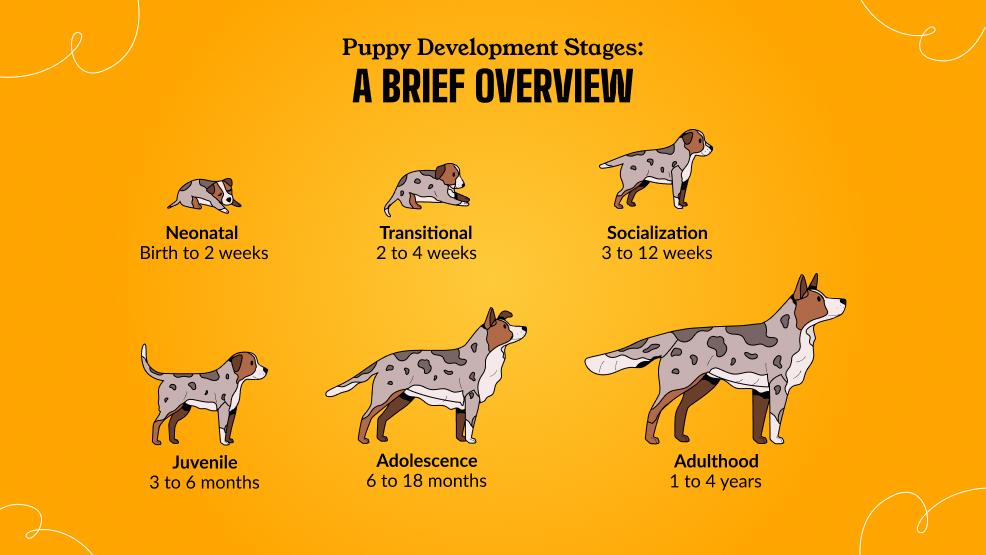

Breed-specific traits and adult size expectations heavily dictate how individual canine transformations manifest in daily life.
Giant breeds experience massive skeletal weight gains during this timeframe, making nutritional balance and controlled movement paramount to prevent future orthopedic issues. Conversely, toy breeds often display hyperactive tendencies and faster metabolic rates, requiring frequent, smaller meals to maintain stable blood sugar levels. Exploring comprehensive guides on specific Dog Breeds helps caregivers tailor their expectations and daily management strategies to match genetic predispositions. Recognizing these innate physical and psychological blueprints ensures every animal receives customized support suited to their unique physiological design.
Consulting a qualified veterinarian or professional behaviorist becomes essential when developmental shifts involve severe fear, pain, or sudden behavioral regression.
While normal teething and boundary testing resolve with consistent guidance, persistent trembling, refusal to eat, or unprovoked defensive growling warrant immediate professional evaluation. Underlying medical issues, such as juvenile joint disorders or hidden dental pain, frequently manifest as sudden behavioral changes in growing animals. Collaborating closely with veterinary experts ensures that physiological discomfort is ruled out before addressing behavioral modifications through force-free, science-based protocols. Safeguarding health and wellness during adolescence sets the stage for a long, harmonious life together.
Watching a young dog mature from a dependent infant into a confident adult animal remains one of the most rewarding aspects of human-canine companionship. By staying informed about biological milestones and maintaining consistent routines, households can ease the transition through these formative months with grace and mutual trust. Additional resources covering Dog Care and Dog Health on PetsAnimalsWorld.com provide further guidance to support every phase of development. Embracing this journey with empathy ensures a healthy, well-adjusted companion for years to come.



