

Bringing home a new canine companion introduces a world of boundless energy, joyful tail wags, and, frequently, a barrage of tiny, needle-sharp teeth. According to the American Society for the Prevention of Cruelty to Animals (ASPCA), normal canine development involves exploratory mouthing and biting, which peaks during early puppyhood as youngsters use their mouths to interact with the environment. Navigating this developmental phase can test the patience of any household, particularly when a 3 month old dog won’t stop biting ankles, hands, and clothing.
💡 Pet Care Key Takeaways:
- Core Focus: Practical health, nutrition, and wellness guidelines for 3 Month Old Dog Won’T Stop Biting.
- Target Scope: Pet owners, animal caregivers, and veterinary support staff.
- Best Recommendation: Maintain consistent daily routines and consult an accredited veterinarian before introducing major diet or medical changes.
Understanding why a young puppy constantly mouths and nips at people requires looking through a developmental lens.
Teething and exploration are the primary biological drivers behind this incessant chewing phase. At three months of age, canine juveniles are actively losing their razor-sharp deciduous milk teeth to make way for permanent adult dentition, a process that causes localized gum inflammation and discomfort. Furthermore, just human infants explore textures with their hands, canine youngsters rely heavily on their mouths to investigate novel items, test boundaries, and experience social interactions. Consequently, what feels like relentless aggression is usually nothing more than normal exploratory behavior tied to sensory development and physical growth.
Ignoring this developmental phase without guidance can lead to ingrained behavioral challenges later in life.
Without proper socialization and boundary setting, casual mouthing can inadvertently escalate into destructive chewing and a lack of bite inhibition—the innate ability of a dog to control the force of their jaw pressure. Professional positive reinforcement training emphasizes teaching youngsters that human skin is exceptionally sensitive, replacing uncontrolled nipping with appropriate outlets for oral sensory needs. For structured guidance on handling these early milestones, exploring foundational Dog Training resources can help establish clear communication channels between pet and owner.
Puppies develop bite inhibition primarily through interactions with littermates and mother dogs, who naturally correct hard biting by walking away or vocalizing. — American Kennel Club
Implementing proactive management techniques transforms high-intensity biting into calm, acceptable habits.
Redirection serves as the cornerstone of effective management, instantly substituting human hands or clothing with an appropriate chew toy or durable rubber puzzle feeder. When sudden nipping occurs during play, standing completely still with arms crossed and avoiding eye contact removes the fun, teaching the puppy that teeth-on-skin causes the exciting activity to pause immediately. Experience in the field shows that consistency across all family members prevents confusion, ensuring the young canine learns uniform boundaries regarding acceptable play styles.
Avoiding common mistakes preserves the trust necessary for healthy behavioral development.
Punitive measures, physical corrections, or yelling should always be avoided, as these responses frequently heighten arousal, damage the human-animal bond, or inadvertently stimulate defensive reactions. High-pitched squealing can occasionally backfire by mimicking prey sounds, so a calm, neutral withdrawal is vastly superior to dramatic vocalizations. Regular physical exercise and mental stimulation tailored to a young dog’s physical capacity will naturally curb the frantic energy that often triggers excessive biting episodes.
Providing designated mental enrichment outlets significantly reduces stress-related chewing behaviors in growing canines. — Association of Professional Dog Trainers
Pet Care & Wellness Overview Table
| Life Stage | Daily Activity Level | Key Nutrition / Care Focus |
|---|---|---|
| Puppy / Kitten | High (frequent short bursts) | High-protein growth diet & early socialization |
| Adult Companion | Moderate (30–60 mins daily) | Balanced maintenance nutrition & dental hygiene |
| Senior Pets | Low to Gentle (mindful walks) | Joint support (Glucosamine) & routine vet checks |
Images References
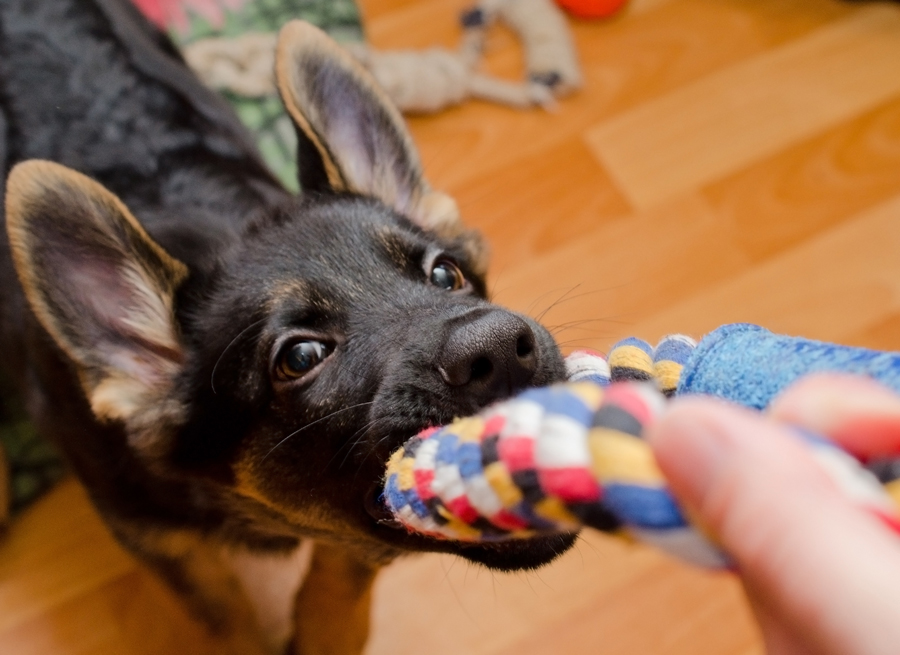



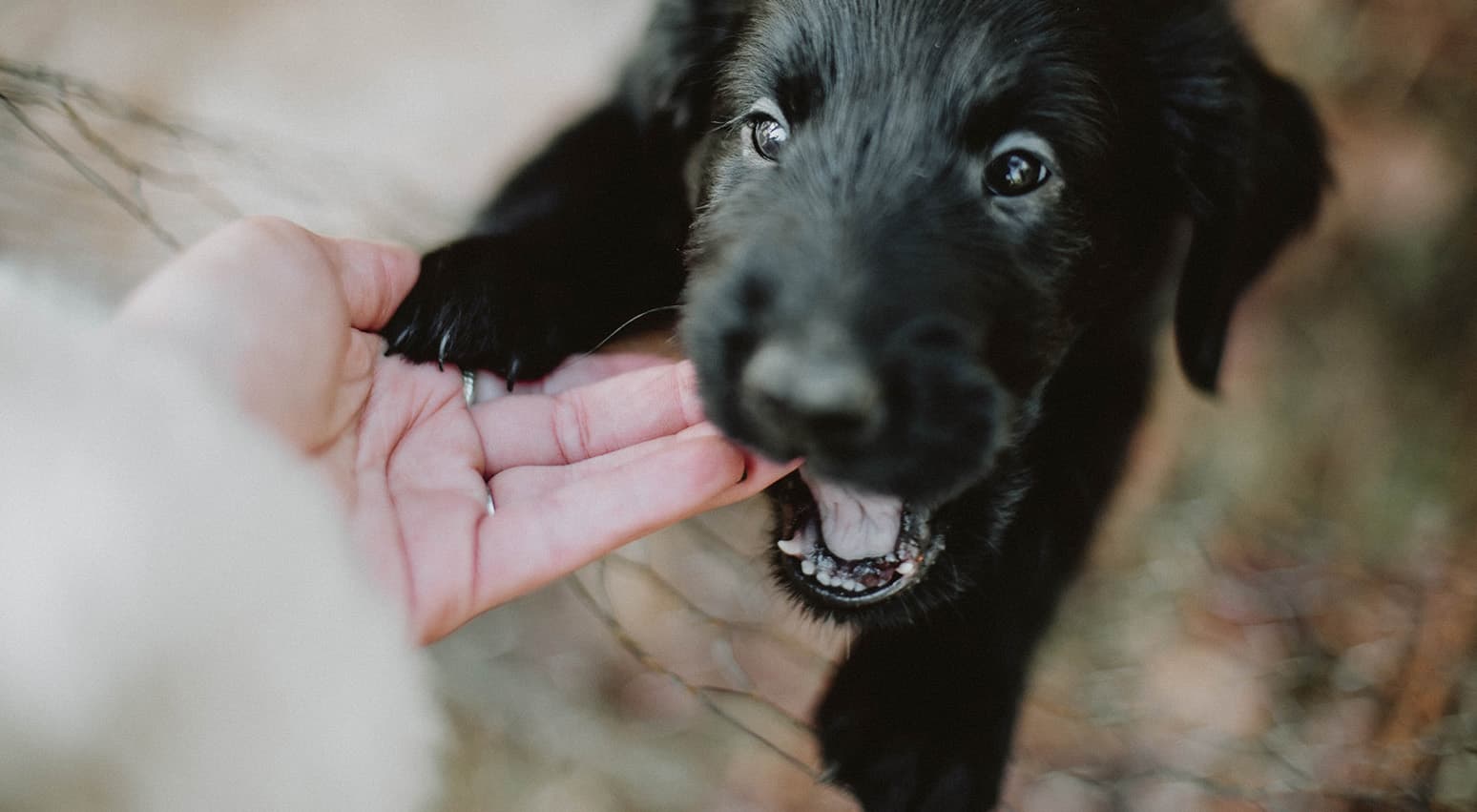
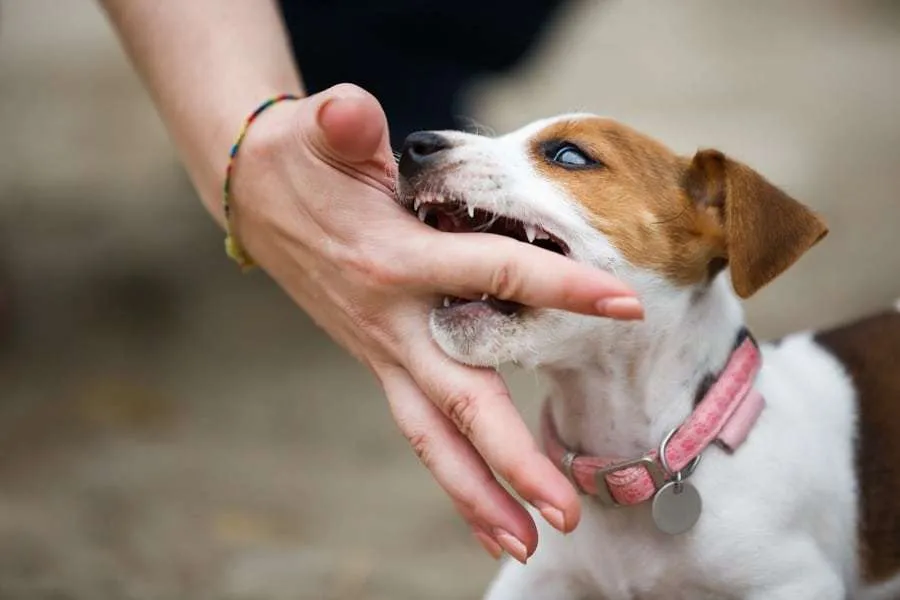
Breed-specific traits and individual temperaments heavily influence the intensity of puppy mouthing behaviors.
Working and herding lineages, such as Border Collies or German Shepherds, possess strong genetic predispositions toward grabbing moving objects and nipping heels, requiring extra patience during redirection exercises. Recognizing these unique traits allows owners to tailor their approach, channeling that inherited drive into constructive games like fetch or tracking exercises rather than letting it manifest as household chaos. Understanding the background of various Dog Breeds offers valuable insight into how different youngsters process environmental stimulation and physical boundaries.
Consulting a qualified professional provides essential support when standard management techniques fall short.
Persistent, unrelenting nipping accompanied by rigid body posture, growling, or snapping that does not improve with redirection warrants intervention from a certified professional behaviorist or veterinarian. While normal teething is a temporary hurdle, underlying anxiety or extreme reactivity requires expert guidance to ensure safe development. Prioritizing routine wellness checks through comprehensive Dog Health evaluations ensures that hidden medical discomforts are not exacerbating the mouthing behavior.
Consistent patience and positive reinforcement build the foundation for a well-adjusted adult companion.
Guiding a young canine through the teething phase demands immense endurance, but structured redirection and clear boundaries pave the way for lifelong manners. Incorporating safe dietary management and appropriate chew items supports overall wellness, a topic further explored within specialized Dog Nutrition guidelines. To discover more expert advice on raising a happy and balanced companion, visit PetsAnimalsWorld.com for comprehensive care strategies across all Dog Care topics.




