

According to the American Society for the Prevention of Cruelty to Animals (ASPCA), the adolescent stage in dogs typically begins around six months of age, marking a critical period of physical, hormonal, and psychological development that often tests the patience of even the most dedicated caregivers. Walk through any veterinary clinic waiting room, and the evidence of this life stage is immediately apparent. A gangly adolescent hound lunges toward a passing mop bucket with wild-eyed fascination, while a golden retriever teenager completely forgets the reliable sit command mastered just a month prior. Witnessing these sudden shifts in temperament can feel overwhelming, yet this phase is a completely normal milestone in canine maturation.
💡 Pet Care Key Takeaways:
- Core Focus: Practical health, nutrition, and wellness guidelines for 6 Month Puppy Behavior Issues And Solutions.
- Target Scope: Pet owners, animal caregivers, and veterinary support staff.
- Best Recommendation: Maintain consistent daily routines and consult an accredited veterinarian before introducing major diet or medical changes.
Reaching the adolescent milestone means dealing with sudden regressions in obedience and surging energy levels.
Understanding 6 month puppy behavior issues and solutions involves recognizing that six-month-old canines are entering biological adolescence, characterized by surging sex hormones, rapid skeletal growth, and a newly wired brain that prioritizes environmental exploration over pleasing humans. During practice sessions in training classes, a phenomenon known as adolescent regression frequently occurs, where previously reliable behaviors seemingly vanish overnight. Furthermore, permanent adult teeth are fully settling into the jaw, which triggers a renewed compulsion to chew on household furniture, baseboards, and personal items. Canine development experts note that this age also brings heightened reactivity, as young dogs test boundaries and process novel sensory inputs with an intensity previously unseen during puppyhood. For more related activities, check out our Dog Unusual Behavior.
Unchecked behavioral friction during adolescence can strain the human-animal bond and lead to safety hazards in the home.
Left unmanaged, adolescent behavioral challenges can escalate into chronic reactivity, destructive property damage, and chronic stress for both the animal and the household. When teenage dogs lack appropriate outlets for their boundless energy, they often invent their own games, which rarely align with human housekeeping standards. Counter-surfing, excessive jumping on visitors, and leash pulling become deeply ingrained habits if they are allowed to repeat unchecked during this formative window. Professional behaviorists emphasize that establishing clear, consistent guidelines now prevents these temporary adolescent phases from cementing into permanent adult temperament flaws.
Adolescence in dogs triggers a surge in exploratory behavior and hormonal changes, often beginning right around six months of age — American Society for the Prevention of Cruelty to Animals (ASPCA)
Implementing structured routines and positive reinforcement effectively resolves common teenage canine challenges.
Applying targeted 6 month puppy behavior issues and solutions requires a balanced approach combining environmental management, mental enrichment, and consistent reward-based instruction. Instead of relying on frustration or harsh corrections, modern certified trainers advocate for redirecting unwanted actions toward appropriate alternatives, such as offering a heavy-duty chew toy stuffed with frozen peanut butter when the dog begins mouthing furniture. Structured daily exercise tailored to the specific breed’s physical capabilities helps burn off excess stamina, reducing the likelihood of indoor mischief. Additionally, short, frequent obedience refresher sessions keep the adolescent canine brain engaged and reinforce impulse control.
Avoiding common training pitfalls ensures smoother progress through the teenage months.
Consistency remains the single most important element of adolescent canine education, meaning every human in the household must enforce the exact same rules regarding furniture access and greeting etiquette. A frequent mistake made by caregivers is granting too much freedom too soon, mistaking physical growth for emotional maturity. Implementing management tools like baby gates and indoor tethers prevents rehearsal of bad habits while active supervision is not possible. Moreover, establishing a predictable daily rhythm provides emotional security, helping to soothe the nervous system of a young dog navigating overwhelming hormonal fluctuations.
Consistent, positive reinforcement training during the first year of life significantly reduces the likelihood of long-term behavioral surrenders — American Kennel Club (AKC)
Pet Care & Wellness Overview Table
| Life Stage | Daily Activity Level | Key Nutrition / Care Focus |
|---|---|---|
| Puppy / Kitten | High (frequent short bursts) | High-protein growth diet & early socialization |
| Adult Companion | Moderate (30–60 mins daily) | Balanced maintenance nutrition & dental hygiene |
| Senior Pets | Low to Gentle (mindful walks) | Joint support (Glucosamine) & routine vet checks |
Images References


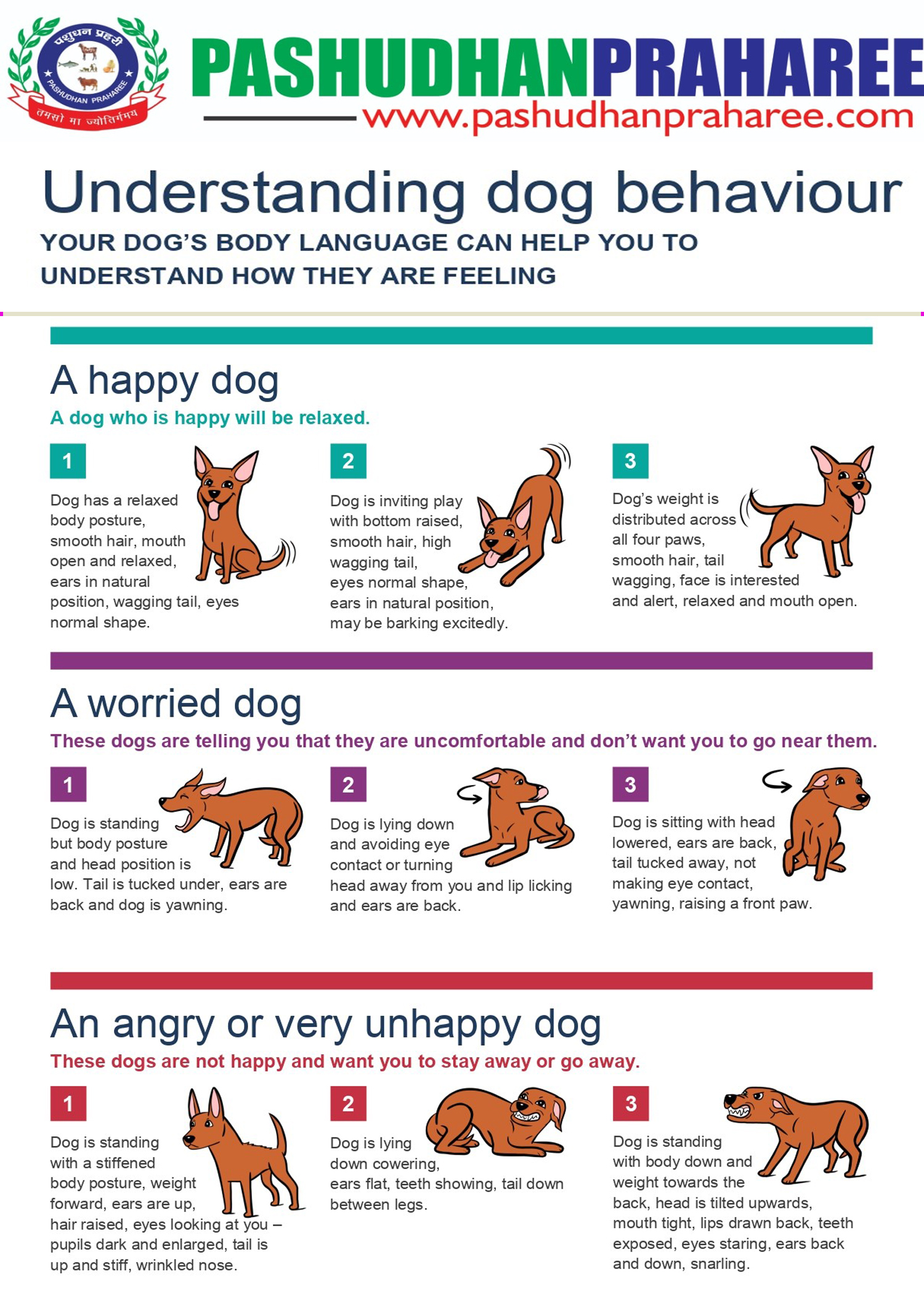

Breed-specific traits and individual temperaments heavily influence how adolescent behavioral challenges manifest.
Recognizing that different genetic backgrounds shape adolescent development ensures realistic expectations for every unique puppy. High-drive working breeds, such as herding dogs or terriers, require significantly more mental stimulation and physical work during their teenage months compared to more laid-back companion breeds. A working breed adolescent left without a job will often resort to herding human ankles or digging extensive craters in the backyard. Tailoring the daily management plan to match the specific breed history and individual temperament prevents frustration and sets the growing dog up for lifelong success.
Consulting a certified professional or veterinarian ensures that sudden behavioral shifts are not masking underlying medical conditions.
Professional guidance becomes essential when adolescent challenges involve sudden aggression, severe fear responses, or self-injurious habits that do not respond to standard management techniques. A thorough veterinary examination is always the recommended first step to rule out pain, neurological issues, or hormonal imbalances that could be triggering uncharacteristic outbursts. If medical causes are eliminated, partnering with a professional certified dog trainer or veterinary behaviorist ensures access to safe, science-based intervention plans that prioritize emotional wellbeing.
Supporting your canine companion through adolescence paves the way for a well-adjusted adult life.
Guiding a young dog through the turbulent teenage phase demands patience, consistency, and a deep appreciation for normal canine development. By embracing structured routines and empathetic management, caregivers transform potential conflict into an opportunity for deep bonding. Explore additional resources on Dog Behavior and Dog Training to refine your approach. For comprehensive advice across all life stages, visit PetsAnimalsWorld.com today and discover expert tips to keep your household thriving.




