

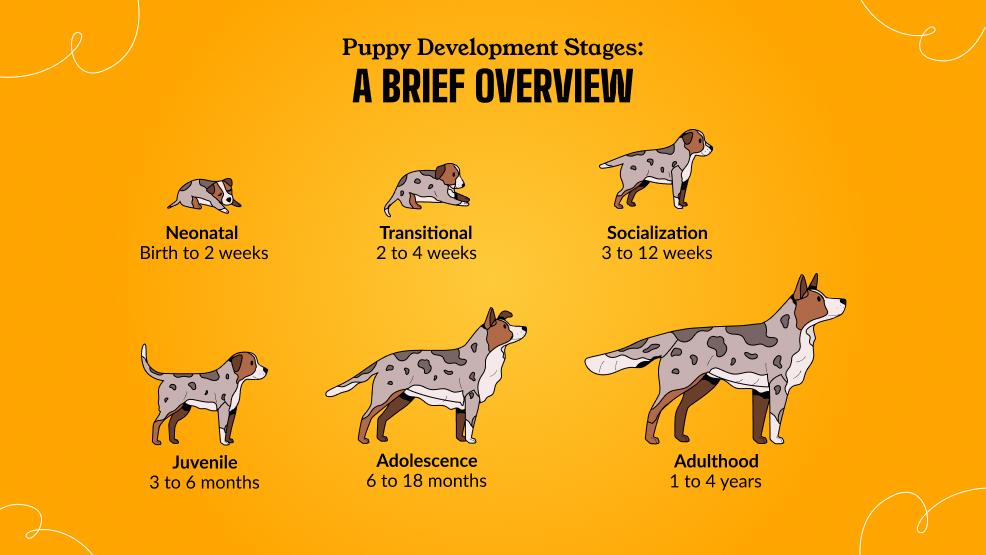
According to the American Kennel Club, adolescence in canines typically begins around six months of age, marking a profound shift from predictable puppyhood into a more independent phase of life. During this transitional period, households often notice a sudden regression in obedience and a sharp surge in physical energy. Experienced behaviorists recognize this stage as the canine equivalent of the human teenage years, where the brain undergoes rapid structural remodeling. Understanding this neurological shift prevents frustration, helping households guide young dogs through a complex developmental milestone with patience and empathy.
💡 Pet Care Key Takeaways:
- Core Focus: Practical health, nutrition, and wellness guidelines for 6 Months Dog Behavior.
- Target Scope: Pet owners, animal caregivers, and veterinary support staff.
- Best Recommendation: Maintain consistent daily routines and consult an accredited veterinarian before introducing major diet or medical changes.
Adolescent Development Defines 6 Months Dog Behavior
Six months dog behavior is characterized by a combination of surging hormones, increased curiosity, and a temporary testing of established boundaries. At this age, puppies reach sexual maturity, which introduces new olfactory motivations and a stronger drive to roam or mark territory. In professional handling environments, this is frequently the moment when a previously responsive puppy suddenly seems to forget every cue learned during early socialization classes. Furthermore, permanent teeth finish erupting around this timeframe, causing an intense renewed urge to chew on furniture, shoes, and baseboards as sore gums seek relief.
Managing Physical and Cognitive Changes in Young Dogs
Navigating this developmental chapter requires a proactive approach to prevent destructive habits from becoming permanent behavioral patterns. Because the adolescent brain is exceptionally plastic, consistent positive reinforcement during daily routines solidifies lifelong impulse control and emotional stability. Providing appropriate outlets for excess energy, such as puzzle toys and scent games, satisfies the cognitive needs of a maturing mind without overworking growing joints. In veterinary practice, observing young dogs pace around consultation rooms reveals an underlying restlessness that simply cannot be resolved through physical exercise alone; mental stimulation is equally vital.
Adolescent dogs experience a temporary surge in cortisol and sex hormones, which directly impacts their reactivity and threshold for frustration during training sessions — American Kennel Club
Practical Strategies for Guiding Adolescent Dogs Successfully
Addressing challenging adolescent phases effectively relies on maintaining strict consistency across all household members while rewarding calm, desirable choices. When a young dog jumps up or ignores a recall command, reacting with frustration only creates confusion and damages the trust built during puppyhood. Instead, professionals recommend resetting the environment, managing potential triggers, and going back to basic foundational training with high-value rewards. Real-world observation shows that adolescent canines respond exceptionally well to short, engaging training intervals integrated seamlessly into regular walks and meal times.
Avoiding Common Pitfalls During the Teenage Canine Stage
Many owners make the mistake of increasing physical punishment or relying on dominance-based theories when teenage rebellion surfaces, which actually heightens anxiety and fear-based aggression. Utilizing gentle, reward-based methods is essential for fostering a secure attachment and ensuring long-term emotional well-being. Another frequent misstep involves reducing socialization; continued exposure to novel environments, friendly dogs, and varied human handlers remains just as critical now as it was at eight weeks of age. Establishing clear, predictable rules protects the household harmony while allowing the growing dog the safe exploration space necessary for healthy psychological maturation.
Consistent positive reinforcement during the critical six-month developmental window reduces the likelihood of adult behavioral problems by a significant margin — American Society for the Prevention of Cruelty to Animals
Pet Care & Wellness Overview Table
| Life Stage | Daily Activity Level | Key Nutrition / Care Focus |
|---|---|---|
| Puppy / Kitten | High (frequent short bursts) | High-protein growth diet & early socialization |
| Adult Companion | Moderate (30–60 mins daily) | Balanced maintenance nutrition & dental hygiene |
| Senior Pets | Low to Gentle (mindful walks) | Joint support (Glucosamine) & routine vet checks |
Images References


Breed and Size Variations in Six-Month-Old Adolescents
The manifestation of adolescent traits varies drastically depending on the specific heritage and eventual adult size of the dog. Smaller breeds often reach skeletal maturity much earlier, meaning their behavioral intensity peaks and plateaus faster than their giant-breed counterparts. Conversely, large and giant breeds remain in this gangly, high-energy adolescent phase for up to two years, requiring prolonged management of their physical strength and impulsivity. Research into Dog Breeds helps families anticipate these developmental timelines, ensuring expectations match the biological reality of the specific companion animal.
When to Seek Professional Guidance for Behavioral Shifts
Consulting a qualified professional is recommended when adolescent challenges escalate into severe fear, sudden resource guarding, or unprovoked reactivity toward humans or other animals. Professional trainers and veterinary behaviorists can accurately differentiate between normal developmental boundary-testing and clinical anxiety disorders that require structured intervention. To ensure holistic well-being, exploring resources on Dog Training and Dog Health provides actionable insights for managing medical and behavioral needs during this transitional life stage.
Supporting Your Dog Through the Teenage Transition
Guiding an adolescent dog through this vibrant and sometimes challenging phase requires boundless patience, structured routines, and a commitment to positive reinforcement methods. By understanding the underlying neurological changes driving these actions, families can strengthen their bond and set the foundation for a well-adjusted adult companion. Discover more expert guidance and practical advice across PetsAnimalsWorld.com, including specialized tips in Dog Behavior and Dog Care.




