

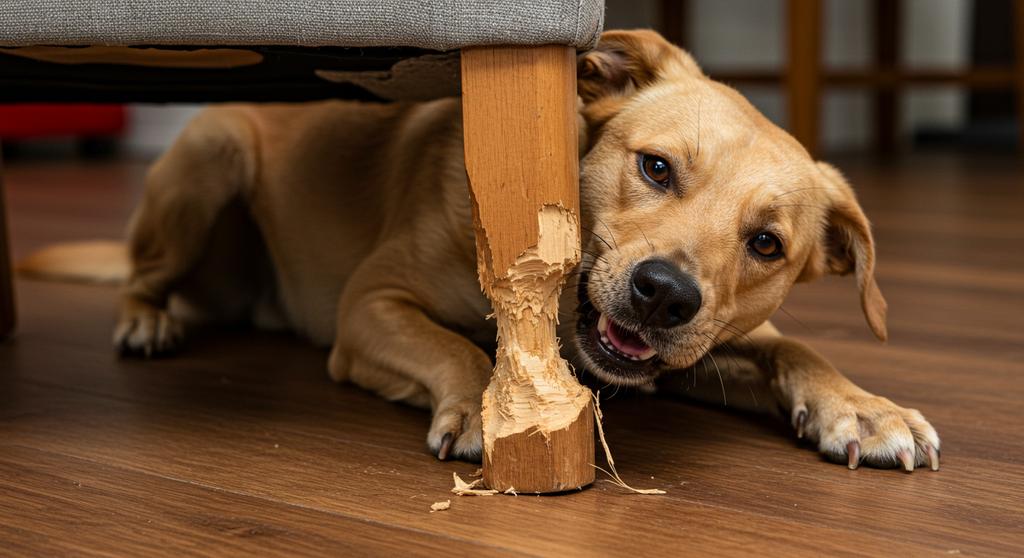
According to the American Society for the Prevention of Cruelty to Animals (ASPCA), destructive chewing is one of the most common behavioral challenges reported by pet parents during a dog’s developmental transition into adolescence. Observing a previously well-mannered young dog suddenly target furniture legs, shoes, and household textiles often causes immense frustration. In professional behavioral practice, households frequently report that this chewing behavior seems to materialize out of nowhere, leaving caregivers baffled after months of relative peace. Understanding the underlying motivations for this regression is the first step toward restoring harmony in the living environment.
💡 Pet Care Key Takeaways:
- Core Focus: Practical health, nutrition, and wellness guidelines for 8 Month Old Puppy Chewing Again.
- Target Scope: Pet owners, animal caregivers, and veterinary support staff.
- Best Recommendation: Maintain consistent daily routines and consult an accredited veterinarian before introducing major diet or medical changes.
An 8 month old puppy chewing again typically signals a secondary teething phase or a surge in adolescent hormones.
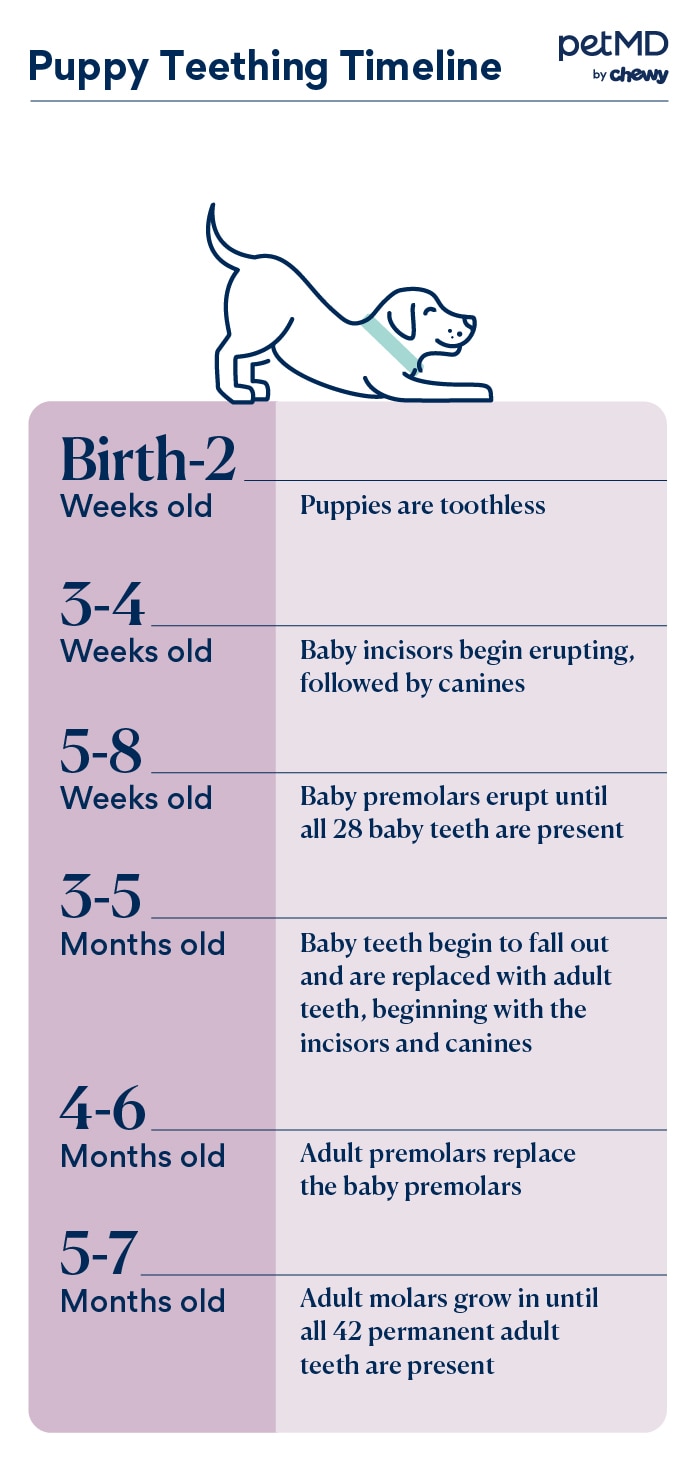
Adolescent dog chewing is a multifaceted canine behavior driven by biological maturation, shifting hormone levels, and the eruption of permanent adult molars. While the initial teething phase usually peaks around four to six months of age, secondary structural jaw changes continue as the animal gains adult size and jaw strength. During this developmental window, exploring objects through mouth contact serves as a primary sensory mechanism. Real-world observations in training environments show that adolescent dogs often test the structural integrity of household items simply because their changing bodies demand increased physical stimulation and oral tactile feedback.
Unchecked destructive chewing habits can lead to severe gastrointestinal blockages and chronic household stress.
Failing to redirect this renewed chewing phase risks both the physical safety of the animal and the emotional well-being of the household. Ingesting non-food items such as upholstery stuffing, plastic pieces, or splintered wood frequently results in foreign body obstructions requiring emergency surgical intervention. Furthermore, the constant destruction of personal belongings strains the human-animal bond. Preventive management strategies within specialized Dog Behavior frameworks emphasize environmental control to safeguard both the dog and the household inventory.
Ingesting foreign objects such as carpet fibers, wood splinters, and plastic shards during adolescent chewing phases remains a leading cause of emergency gastrointestinal surgery in young canines. — American Kennel Club
Addressing adolescent chewing effectively relies on proactive environmental management, appropriate outlet provision, and positive reinforcement.
Managing this phase successfully demands a combination of strict supervision, interactive puzzle toys, and consistent redirection toward appropriate chew items. When caregivers catch the young dog targeting an off-limits item, interrupting the behavior calmly and offering an approved chew toy establishes clear boundaries without generating fear. Establishing a predictable daily routine incorporating structured exercise helps burn off excess adolescent energy that might otherwise manifest as oral destruction. Comprehensive resources found within structured Dog Training guides provide valuable insights into reinforcement mechanics and impulse control exercises.
Avoiding common reactive mistakes prevents escalating anxiety and preserves mutual trust during the training process.
Punishing a young dog long after a chewing incident occurs fails completely because animals lack the cognitive capacity to connect delayed discipline with past actions. Instead, scolding often teaches the dog to hide when chewing or induces stress-related behavioral anomalies. Relying instead on management tools like baby gates and crate training ensures the animal cannot practice destructive habits unsupervised. According to guidance from the American Veterinary Medical Association (AVMA), utilizing positive reinforcement for appropriate chewing choices builds lasting neural pathways that suppress undesirable oral fixation over time.
Consistent supervision and immediate redirection to approved chew materials during the adolescent window reduce long-term destructive habits by over eighty percent in developing dogs. — American Veterinary Medical Association
Pet Care & Wellness Overview Table
| Life Stage | Daily Activity Level | Key Nutrition / Care Focus |
|---|---|---|
| Puppy / Kitten | High (frequent short bursts) | High-protein growth diet & early socialization |
| Adult Companion | Moderate (30–60 mins daily) | Balanced maintenance nutrition & dental hygiene |
| Senior Pets | Low to Gentle (mindful walks) | Joint support (Glucosamine) & routine vet checks |
Images References


Breed specific growth rates and individual temperament heavily influence the intensity and duration of adolescent chewing behaviors.
Larger working breeds and high-drive sporting dogs typically mature at a slower pace, meaning their adolescent chewing phases can extend well past the one-year mark. Conversely, smaller companion breeds may transition through these developmental stages with distinct patterns. Understanding these individual differences helps owners tailor their management approaches to suit their specific companion. Exploring specialized literature in Dog Breeds assists in anticipating distinct developmental milestones based on genetic predispositions.
Consulting a qualified veterinarian or certified behaviorist becomes essential if chewing stems from severe separation anxiety or compulsive disorders.
While typical adolescent chewing resolves with consistent management and maturity, intense destructive acts accompanied by vocalization, drooling, or frantic pacing when left alone may indicate clinical anxiety. A veterinary examination is always recommended to rule out underlying medical issues, such as dental pain or nutritional deficiencies, that might provoke compulsive chewing. Professional intervention ensures that complex behavioral pathologies receive accurate diagnosis and customized treatment plans tailored to the individual animal’s needs.
Supporting your adolescent dog through developmental milestones ensures a lifelong partnership built on trust and mutual understanding.
Navigating the challenges of adolescent development requires immense dedication, but consistent guidance yields a well-adjusted adult companion. By prioritizing safety, enrichment, and positive reinforcement, pet parents can successfully guide their animals past this disruptive phase. Explore more expert advice and comprehensive resources across PetsAnimalsWorld.com, including specialized articles on general Dog Care and foundational Dog Health to keep your companion thriving.




