

According to the American Kennel Club, adolescence in large-breed dogs typically begins around six months of age and extends well past the one-year mark, bringing profound physical and mental changes. During this turbulent transitional period, households often experience a sudden shift from a manageable puppy to a high-energy adolescent. Labrador Retrievers are renowned for their exuberant nature, yet this specific developmental stage often catches families completely off guard. Professional behavior consultations frequently spike during this window because routine household rules seem to vanish overnight. Recognizing the underlying drivers of canine development helps caregivers maintain patience while guiding young dogs toward maturity.
💡 Pet Care Key Takeaways:
- Core Focus: Practical health, nutrition, and wellness guidelines for 9 Month Old Lab Behavior.
- Target Scope: Pet owners, animal caregivers, and veterinary support staff.
- Best Recommendation: Maintain consistent daily routines and consult an accredited veterinarian before introducing major diet or medical changes.
Adolescent Labrador Retriever conduct encompasses a unique blend of surging hormones, adult physical strength, and a testing attitude.
Adolescent Labrador Retriever conduct is characterized by intense bursts of energy, selective listening, and boundary-pushing behaviors that mimic human teenage rebellion. A dog at this stage possesses the full size and strength of an adult animal while retaining the emotional regulation of a juvenile. In practical consultations, this mismatch often manifests as sudden leash pulling, frantic greeting behaviors, and an apparent forgetting of previously mastered cues. Brain development during this phase undergoes massive rewiring, specifically within areas responsible for impulse control and decision-making. Consequently, young dogs frequently act on immediate environmental impulses rather than pausing to consider learned household rules.
Managing this demanding life stage successfully requires balancing physical exercise with structured mental enrichment.
Managing this demanding life stage successfully requires balancing physical exercise with structured mental enrichment to prevent destructive outlets for pent-up energy. Young retrievers have an innate need to carry items, investigate scents, and burn through stamina that seems endlessly replenished. Without appropriate outlets, adolescent dogs frequently resort to chewing furniture, counter surfing, or excessive vocalization. Hand-rearing and working closely with these dogs reveal that a tired body alone is never enough; cognitive challenges such as puzzle toys or scent games are essential to exhaust an active adolescent mind. Furthermore, establishing predictable routines provides much-needed security during a time when internal hormonal fluctuations create ongoing internal chaos.
Adolescent dogs require both aerobic exercise and mental problem-solving daily — Association of Professional Dog Trainers
Consistent positive reinforcement and clear boundary setting form the foundation for guiding young retrievers through maturity.
Consistent positive reinforcement and clear boundary setting form the foundation for guiding young retrievers through maturity without resorting to harsh punishments. Establishing clear, unwavering expectations helps adolescents navigate their shifting internal landscape with confidence and trust in their human family. During daily practice sessions, keeping training periods short and engaging prevents frustration for both dog and handler. Rewarding calm behavior proactively rather than only reacting to chaos teaches young animals that stillness yields desirable outcomes. Maintaining this steady approach requires immense patience, particularly when progress feels nonlinear and old habits temporarily resurface.
Avoiding common pitfalls during adolescent training prevents the reinforcement of unwanted habits.
Avoiding common pitfalls during adolescent training prevents the reinforcement of unwanted habits that can persist into adulthood. One frequent misstep involves allowing adolescent dogs to jump up on people because their enthusiasm appears endearing in a growing body. In practice, allowing inconsistent rules—such as permitting the dog on the couch sometimes but not others—creates immense confusion and increases testing behaviors. Additionally, over-exercising a growing juvenile can damage developing joints, making low-impact games a safer alternative to endless high-intensity ball fetching. Caregivers must also ensure that environmental management remains strict, keeping hazardous household items out of reach to accommodate the notorious retriever chewing phase.
Inconsistent boundary enforcement is a primary driver of adolescent behavioral regression — American Kennel Club
Pet Care & Wellness Overview Table
| Life Stage | Daily Activity Level | Key Nutrition / Care Focus |
|---|---|---|
| Puppy / Kitten | High (frequent short bursts) | High-protein growth diet & early socialization |
| Adult Companion | Moderate (30–60 mins daily) | Balanced maintenance nutrition & dental hygiene |
| Senior Pets | Low to Gentle (mindful walks) | Joint support (Glucosamine) & routine vet checks |
Images References


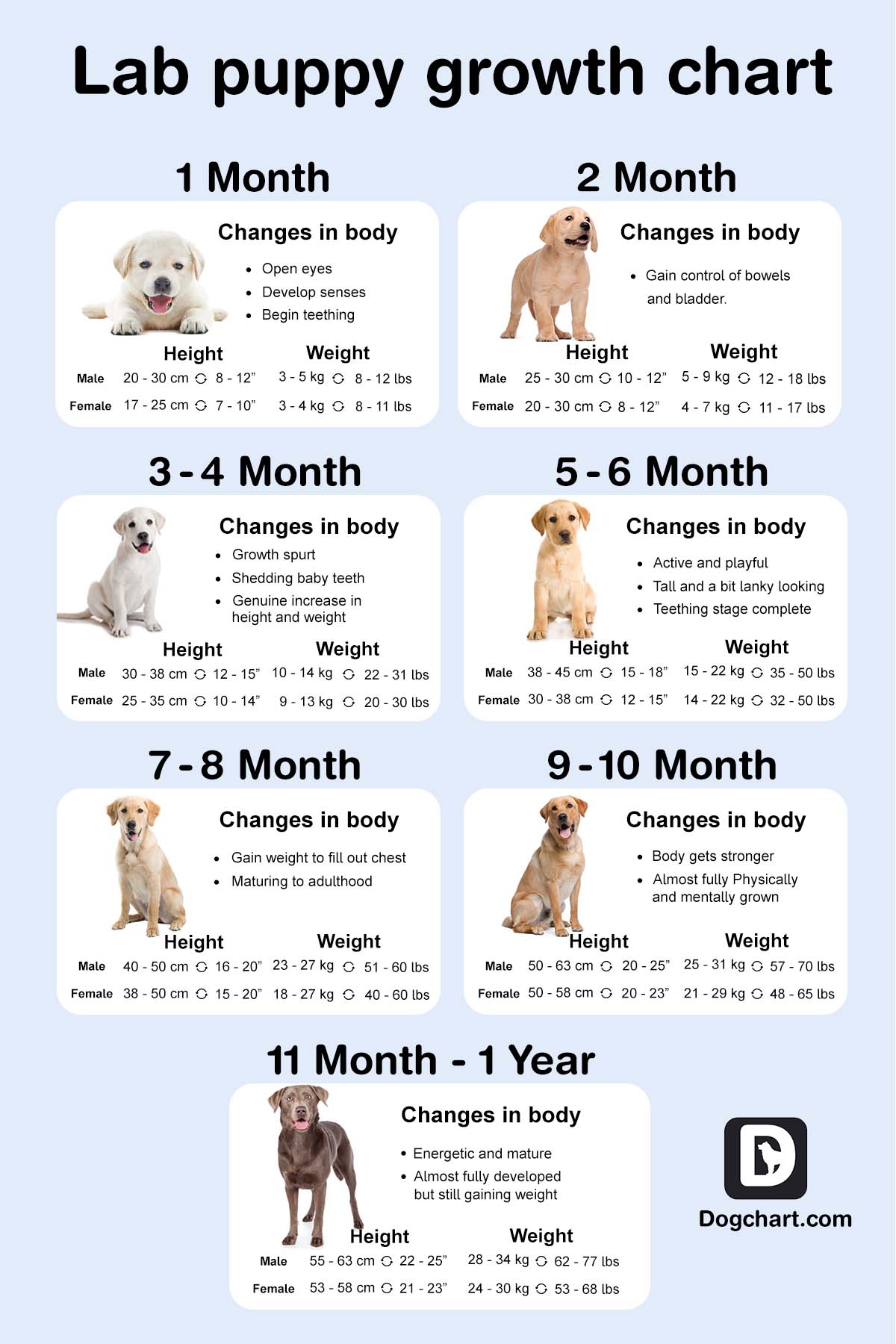
Breed-specific traits and rapid physical growth heavily influence how young Labradors interact with their environment.
Breed-specific traits and rapid physical growth heavily influence how young Labradors interact with their environment and express their inherent working heritage. Bred historically to retrieve waterfowl, these dogs possess a soft mouth yet an intense drive to grasp items with their jaws when over-aroused. Their robust frames and webbed paws make them natural athletes who require specialized guidance to channel their enthusiasm safely. Understanding these genetic predispositions allows owners to reframe frustrating actions as natural breed behaviors that simply need redirection toward appropriate toys. Exploring specific Dog Breeds insights can further illuminate why certain tendencies emerge so strongly during this specific developmental window.
Professional veterinary and behavioral support becomes necessary when adolescent challenges escalate beyond normal developmental boundaries.
Professional veterinary and behavioral support becomes necessary when adolescent challenges escalate beyond normal developmental boundaries or involve safety concerns. While typical teenage testing includes ignoring commands or mild counter surfing, severe fear, intense reactivity, or sudden aggression require expert intervention. A thorough veterinary examination is always the first step to rule out underlying medical discomfort or pain that might trigger sudden behavioral shifts. For guidance on safe and effective training protocols, reviewing resources on Dog Training ensures that methods remain humane and scientifically sound. Certified professionals can also assist in addressing complex issues like separation anxiety or compulsive chewing before they become entrenched adult patterns.
Supporting a maturing canine companion through adolescent changes strengthens the lifelong bond between pet and owner.
Navigating the energetic adolescent phase requires dedication, consistency, and a deep appreciation for the developmental journey of your canine companion. By combining proper physical outlets with positive reinforcement, families can help their young dogs mature into well-adjusted, confident adult companions. For more expert guidance on keeping your canine healthy and happy, explore additional articles on Dog Behavior and foundational Dog Care available right here at PetsAnimalsWorld.com. Remember that this challenging life stage is temporary, and the patient effort invested today yields a loyal, steady friend for years to come.




