
Introduction
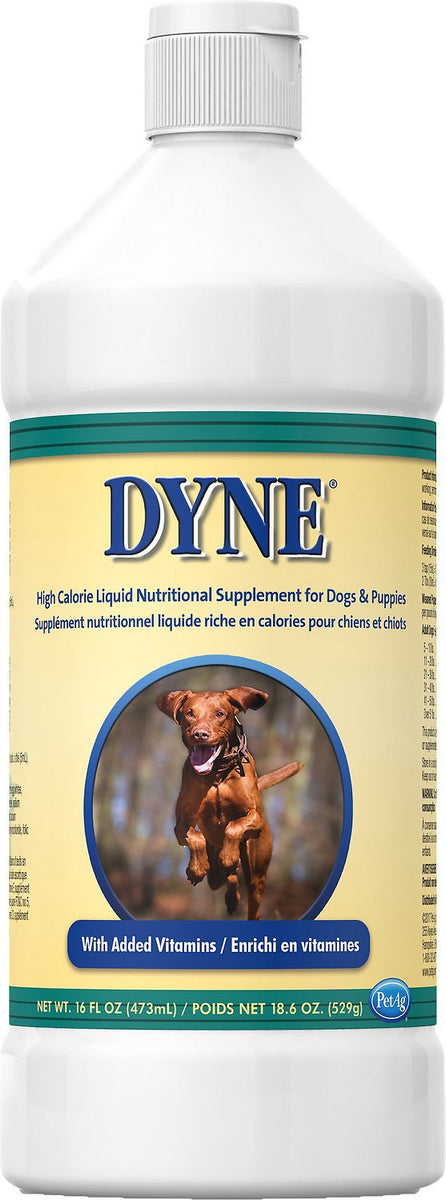
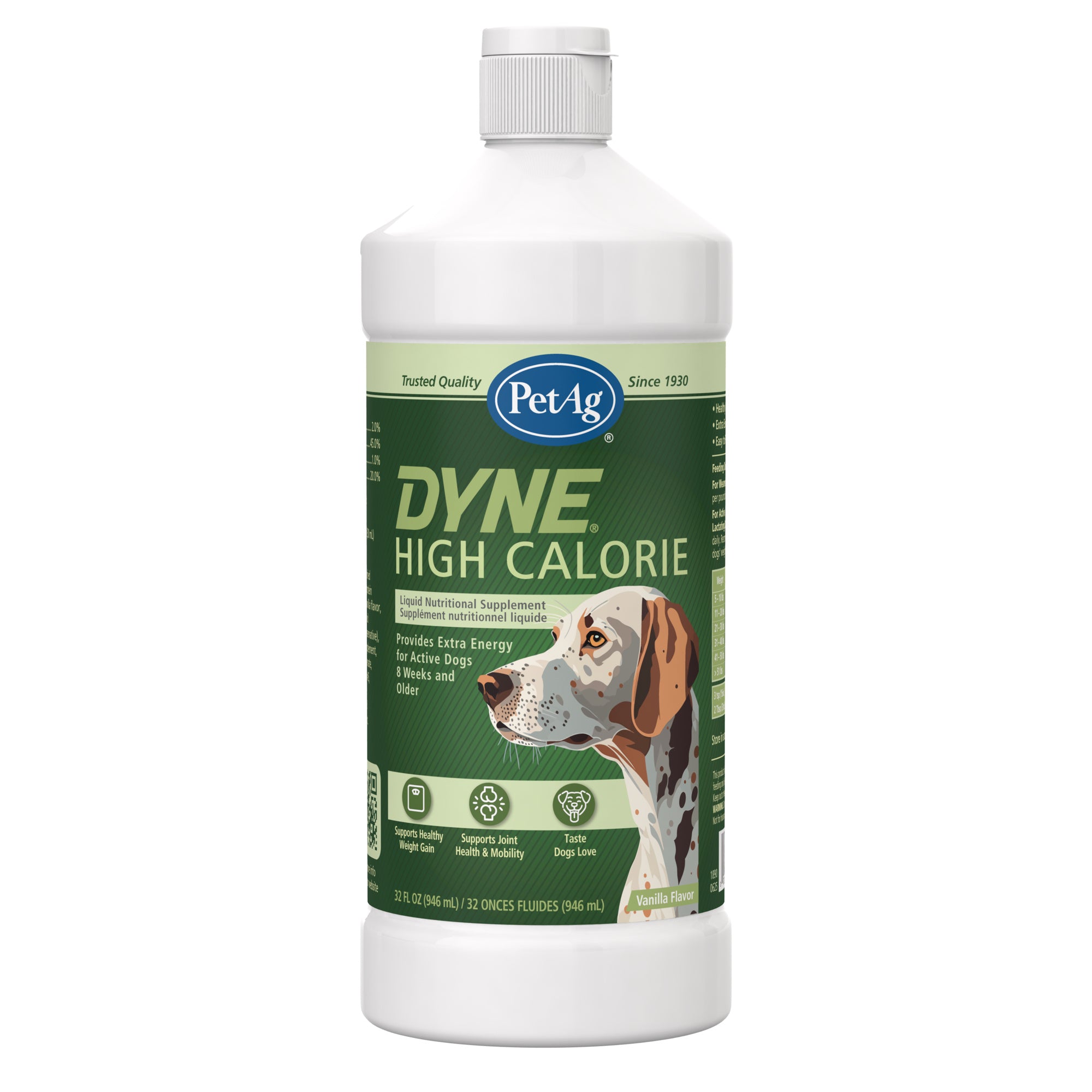
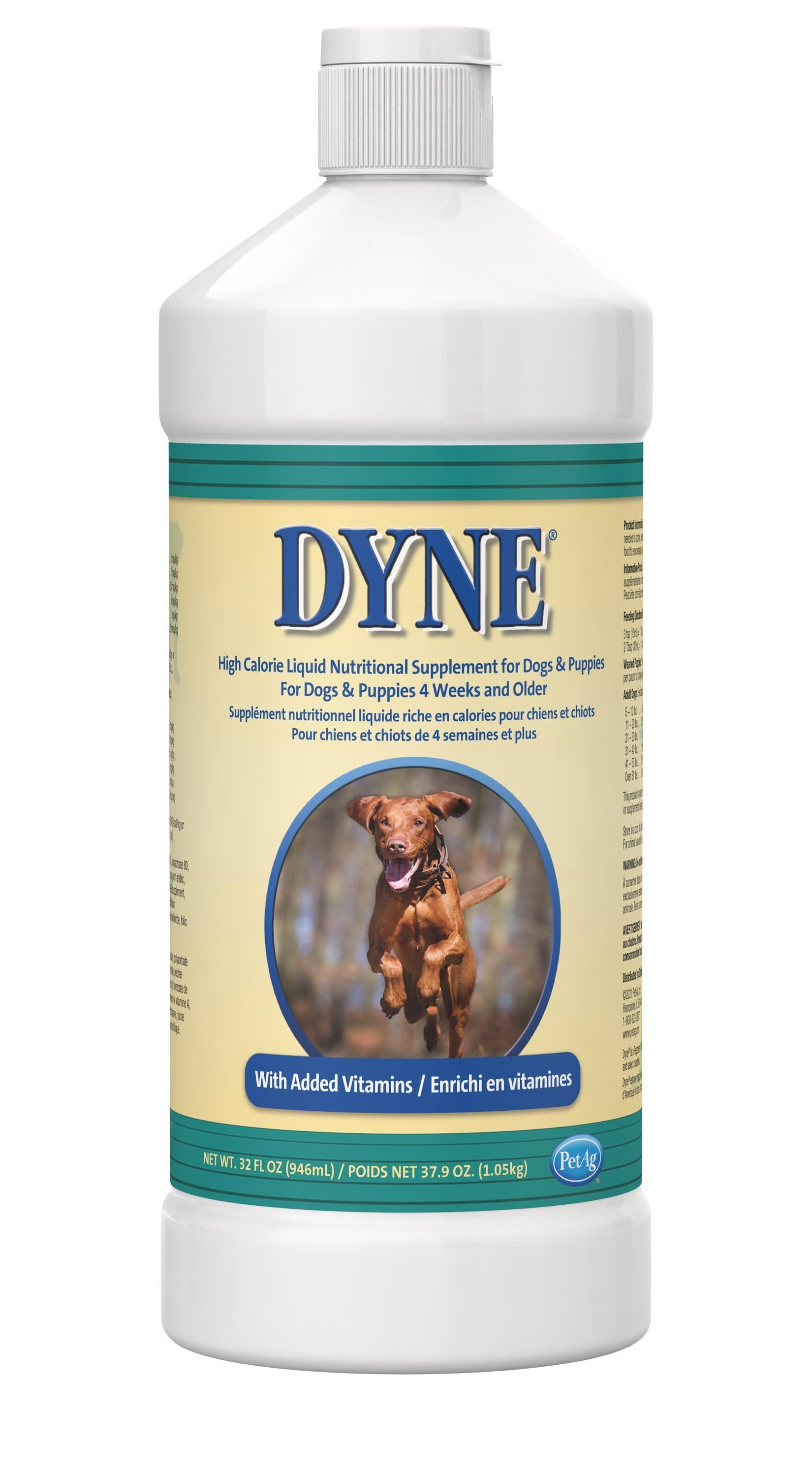
Maintaining a dog’s optimal health and energy levels is a primary concern for responsible pet owners. In certain circumstances, a dog may require additional caloric and nutritional support beyond its regular diet. The dyne dog supplement is a well-regarded liquid nutritional aid formulated to provide concentrated calories and essential vitamins to dogs needing an extra boost. Understanding what Dyne is, its intended uses, and how it can assist in a dogs recovery or growth can significantly improve its vitality and overall quality of life. This supplement is commonly utilized when a dog is underweight, recovering from illness, experiencing high energy demands, or facing other nutritional challenges.
💡 Pet Care Key Takeaways:
- Core Focus: Practical health, nutrition, and wellness guidelines for Dyne Dog Supplement.
- Target Scope: Pet owners, animal caregivers, and veterinary support staff.
- Best Recommendation: Maintain consistent daily routines and consult an accredited veterinarian before introducing major diet or medical changes.
Common Causes and Key Factors
The necessity for a high-calorie supplement like Dyne often stems from various physiological conditions or demanding life stages a dog might experience. Identifying the underlying reasons for a dog’s increased nutritional needs is crucial for effective support. For more related activities, check out our Pitbullnutrition.
One primary factor is underweight status or difficulty gaining weight. This can result from a poor appetite due to stress, a medical condition, or simply a high metabolism that burns calories faster than they are consumed. In such cases, a concentrated source of calories helps to prevent further weight loss and promotes healthy weight gain.
Dogs recovering from illness, surgery, or injury frequently have suppressed appetites and elevated energy requirements for tissue repair and immune function. Dyne can provide easily digestible calories and nutrients, supporting the healing process and restoring strength.
For highly active, working, or sporting dogs, sustained physical exertion depletes caloric reserves rapidly. Supplementation helps maintain peak performance, prevent energy crashes, and supports muscle recovery. Similarly, pregnant or nursing dogs face immense caloric and nutrient demands to support both their own health and the development or nourishment of their puppies. Providing additional support can prevent maternal depletion and ensure healthy litter development.
Additionally, picky eaters or dogs experiencing anorexia may benefit from Dyne’s palatability and high caloric density, which can deliver vital nutrients even in small amounts. Some senior dogs may also struggle to maintain weight or absorb nutrients efficiently, making a supplement like Dyne a valuable dietary addition.
Signs and Symptoms to Observe
Recognizing the indicators that a dog might benefit from a nutritional supplement such as Dyne is key to providing timely support. These signs often relate to a dog’s physical condition and energy levels.
A notable sign is unexplained weight loss or an inability to gain weight, where ribs, hips, or spine become visibly prominent. This suggests an insufficient caloric intake relative to the dog’s energy expenditure. Similarly, a dull, dry, or flaky coat, coupled with excessive shedding, can sometimes be an indicator of nutritional deficiencies, as healthy skin and fur require adequate vitamins and fats.
Lethargy, reduced enthusiasm for play, or prolonged periods of inactivity beyond normal resting patterns can signal low energy reserves. Dogs that tire quickly during walks or display a general lack of vitality may be experiencing a caloric deficit.
Changes in appetite, such as refusal of regular meals, finicky eating habits, or a dramatic decrease in food intake, also warrant attention. This can be particularly concerning in dogs recovering from medical procedures or illnesses, where proper nutrition is paramount for healing.
For pregnant or nursing dams, signs of fatigue, significant weight loss during lactation, or a visible lack of robustness can indicate that their nutritional needs are not being fully met by their standard diet. Observing these signs allows for proactive nutritional intervention.
Practical Solutions and Management Strategies
Incorporating a nutritional supplement like Dyne into a dog’s routine requires careful consideration and a structured approach to ensure maximum benefit. The primary goal is to provide targeted nutritional support while maintaining overall dietary balance.
Adherence to Dosage Guidelines is paramount. The product label provides specific recommendations based on a dog’s weight and condition. Consulting with a veterinarian beforehand is always advisable, as they can tailor the dosage to an individual dog’s unique needs, especially for those with pre-existing health conditions or for puppies.
Dyne can be administered in several ways, offering flexibility in administration. It can be mixed directly with a dog’s regular food, added to water, or given directly by mouth using a syringe for dogs with very poor appetites. Introducing it gradually can help a dog adjust to the new taste and texture.
Consistent monitoring of progress is essential. Regularly tracking a dog’s weight, energy levels, appetite, and overall demeanor provides valuable insights into the supplement’s effectiveness. Adjustments to dosage or administration methods can be made based on these observations, always in consultation with a veterinary professional.
It is important to remember that Dyne serves as a supplement, not a substitute, for a balanced base diet. Ensure the dog’s primary food source is high-quality and appropriate for its age, breed, and activity level. Dyne is intended to bridge nutritional gaps, not replace the foundational nutrients from a complete diet. Additionally, ensuring constant access to fresh water is vital, as increased caloric intake can sometimes lead to increased thirst.
When Professional Help May Be Needed
While Dyne dog supplement can be a valuable tool for supporting a dog’s nutritional needs, it is crucial to recognize that it addresses symptoms rather than underlying causes. Knowing when to seek professional veterinary consultation is a responsible aspect of canine care.
If a dog exhibits persistent weight loss or an inability to gain weight despite consistent supplementation, a deeper medical investigation is warranted. Undiagnosed health issues such as parasites, gastrointestinal disorders, metabolic diseases, or dental problems could be at play, requiring specific veterinary treatment.
Any sudden or dramatic changes in behavior, appetite, or energy levels, especially if accompanied by other concerning symptoms like vomiting, diarrhea, difficulty breathing, or significant lethargy, necessitate immediate veterinary attention. These could indicate serious medical conditions that require more than just nutritional support.
Before initiating any new supplement, particularly for puppies, senior dogs, or dogs with known pre-existing health conditions (such as diabetes, kidney disease, or pancreatitis), a veterinary consultation is strongly recommended. A veterinarian can assess potential interactions with medications, determine if the supplement is appropriate for the specific condition, and advise on safe and effective dosages.
Furthermore, if a dog experiences any adverse reactions after starting Dyne, such as digestive upset, allergic responses, or unusual behavioral changes, administration should cease, and a veterinarian should be contacted promptly. Prioritizing a comprehensive veterinary assessment ensures that all aspects of a dog’s health are considered.
Conclusion
The dyne dog supplement stands as a valuable resource for dog owners seeking to provide targeted nutritional support. Its high-calorie, vitamin-rich formulation makes it a beneficial aid for dogs facing challenges such as underweight status, recovery from illness, high energy demands, or the nutritional stresses of pregnancy and lactation. Understanding its purpose, observing key indicators of need, and implementing practical administration strategies can significantly contribute to a dog’s health and vitality. However, it is imperative to remember that Dyne is a supplementary tool. Proactive observation, adherence to product guidelines, and consistent veterinary consultation remain the cornerstones of responsible pet care, ensuring that every dog receives the most appropriate and effective support for a happy, healthy life.
Pet Care & Wellness Overview Table
| Life Stage | Daily Activity Level | Key Nutrition / Care Focus |
|---|---|---|
| Puppy / Kitten | High (frequent short bursts) | High-protein growth diet & early socialization |
| Adult Companion | Moderate (30–60 mins daily) | Balanced maintenance nutrition & dental hygiene |
| Senior Pets | Low to Gentle (mindful walks) | Joint support (Glucosamine) & routine vet checks |
Images References




For more expert pet care tips and advice, check out our dedicated Dog Nutrition guides to keep your companions healthy and happy.




