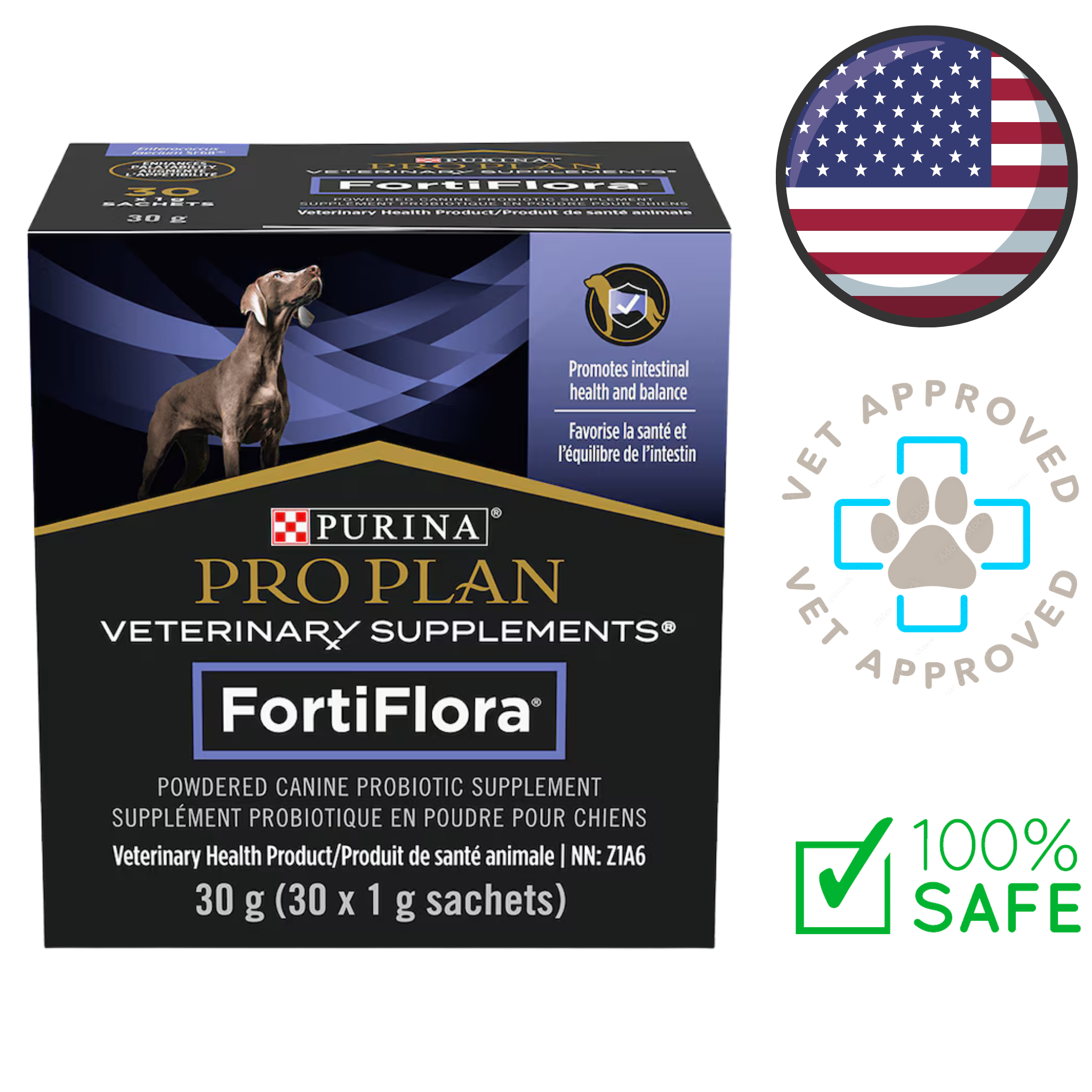
Understanding the profound connection between FortiFlora and canine wellness requires looking closely at daily digestive balance.
According to the American Veterinary Medical Association, gastrointestinal disorders represent one of the most frequent reasons canine companions visit veterinary clinics each year. Behind every shiny coat and enthusiastic tail wag lies a complex ecosystem of microorganisms working tirelessly within the digestive tract. Maintaining this delicate internal environment is essential for overall vitality, nutrient absorption, and immune defense. When this internal harmony gets disrupted by stress, dietary indiscretion, or medication, canine companions often display unmistakable signs of distress. Fortunately, modern veterinary medicine offers targeted nutritional interventions designed to restore balance from the inside out.
💡 Pet Care Key Takeaways:
- Core Focus: Practical health, nutrition, and wellness guidelines for “Fortiflora” And “Gut Health”.
- Target Scope: Pet owners, animal caregivers, and veterinary support staff.
- Best Recommendation: Maintain consistent daily routines and consult an accredited veterinarian before introducing major diet or medical changes.
FortiFlora is a specialized veterinary-prescribed probiotic supplement formulated to support canine gastrointestinal health and immune function.
Probiotics are live beneficial bacteria and yeasts that confer health benefits on the host when administered in adequate amounts. Specifically, Purina Pro Plan Veterinary Diets FortiFlora contains a proprietary strain of beneficial bacteria known as *Enterococcus faecium* SF68, which is guaranteed to be live and active. Gut health refers to the optimal balance and function of the gastrointestinal tract, encompassing a diverse microbiome, strong intestinal lining, and efficient digestive processes. When owners sprinkle this savory powder over daily meals, millions of beneficial microorganisms reach the intestinal tract alive. Consequently, these helpful bacteria crowd out harmful pathogens, produce vital short-chain fatty acids, and help regulate localized inflammatory responses within the digestive system. For more related activities, check out our Pitbullnutrition.
Supporting a balanced microbiome through targeted supplementation directly impacts nutrient utilization, stool quality, and systemic immune defense.
Clinical experience in veterinary practice reveals that many dogs transitioning to new homes or experiencing boarding stress benefit immensely from proactive microbiome support. A robust population of beneficial gut bacteria aids in breaking down complex carbohydrates, synthesizing essential B vitamins, and absorbing vital minerals. Furthermore, a significant portion of a dog’s immune system resides directly within the gastrointestinal tract, meaning that microbial balance directly reinforces disease resistance. Environmental stressors, sudden food changes, or antibiotic therapy can rapidly deplete these helpful populations, leading to loose stools and general lethargy. Intervening with a scientifically backed probiotic helps bridge the gap, stabilizing digestion and returning regularity to daily routines.
Approximately 70 percent of the immune system is housed within the gastrointestinal tract, highlighting why microbiome health is vital for systemic wellness. — American Kennel Club
Implementing probiotic support safely involves consistent daily administration and careful monitoring under professional guidance.
Integrating supplements into a canine care routine should always be approached methodically to achieve optimal results without causing unexpected digestive upset. The powder format makes administration remarkably simple, as it can be easily dusted over standard kibble or canned food once daily. Because every dog possesses a unique physiological makeup, consulting a licensed veterinarian ensures that the selected supplement matches the specific health requirements of the animal. Furthermore, pet parents should observe stool consistency, appetite levels, and overall energy during the initial weeks of introduction to gauge efficacy properly. Rushing dietary modifications or ignoring persistent symptoms can delay proper diagnosis of underlying medical conditions that require more comprehensive treatment.
Avoiding common pitfalls ensures maximum benefit while safeguarding sensitive canine digestive systems.
One frequent mistake involves mixing probiotic powders into boiling or very hot food, which can deactivate the live microorganisms and render the supplement ineffective. Another oversight is assuming that all over-the-counter products offer the same therapeutic benefits as clinically validated veterinary formulations like FortiFlora. Caregivers should also remember that consistency is paramount; sporadic administration yields inconsistent results within the rapidly changing canine microbiome. Always store supplements in cool, dry environments to preserve bacterial viability until the expiration date. Introducing any new health regimen requires patience, careful observation, and close communication with a veterinary professional to navigate individual sensitivities safely.
Heat exposure above normal body temperature can significantly reduce the viability of beneficial probiotic bacteria found in dietary supplements. — Association of American Feed Control Officials
Life stage, breed predispositions, and individual physiological sensitivities heavily influence how a canine body responds to nutritional supplements.
Working breeds, toy breeds, senior dogs, and growing puppies all process nutrients differently and experience varying degrees of stress-related tummy trouble. For instance, sensitive giant breeds prone to delicate digestion may require long-term microbiome management, whereas young puppies often need short-term support during weaning or vaccination schedules. Recognizing these distinct physiological nuances allows caregivers to tailor wellness strategies effectively. Senior dogs, whose natural immune defenses and digestive efficiency may decline with age, often experience renewed vitality when their gut microbiome receives daily targeted reinforcement. Evaluating age-specific and breed-specific nutritional needs ensures that every animal receives customized care suited to their exact stage of life.
Knowing when to transition from home management to professional veterinary diagnostics is crucial for protecting canine health.
While daily supplements offer wonderful support for mild digestive imbalances, persistent or severe symptoms demand immediate veterinary evaluation. Warning signs such as bloody stool, persistent vomiting, high fever, profound lethargy, or rapid weight loss indicate potentially serious underlying medical issues. A veterinarian can perform diagnostic tests, such as fecal examinations or blood panels, to rule out parasites, infectious diseases, or chronic inflammatory disorders. Relying solely on supplements to mask chronic illness can delay necessary life-saving interventions. Professional guidance remains the cornerstone of safe, effective healthcare management for every beloved companion animal.
Empowering your companion with optimal nutritional care builds a foundation for a long, vibrant, and healthy life together.
Navigating the complexities of canine nutrition and wellness is a deeply rewarding journey that strengthens the bond between pets and their human families. By prioritizing digestive balance and utilizing science-backed tools thoughtfully, caregivers can significantly enhance their dogs’ daily quality of life. Explore more expert advice, detailed guides, and helpful resources right here on PetsAnimalsWorld.com to ensure your furry friend thrives. For further insights, browse our dedicated sections on Dog Health, Dog Nutrition, and Dog Care.
Pet Care & Wellness Overview Table
| Life Stage | Daily Activity Level | Key Nutrition / Care Focus |
|---|---|---|
| Puppy / Kitten | High (frequent short bursts) | High-protein growth diet & early socialization |
| Adult Companion | Moderate (30–60 mins daily) | Balanced maintenance nutrition & dental hygiene |
| Senior Pets | Low to Gentle (mindful walks) | Joint support (Glucosamine) & routine vet checks |
Images References