

Introduction
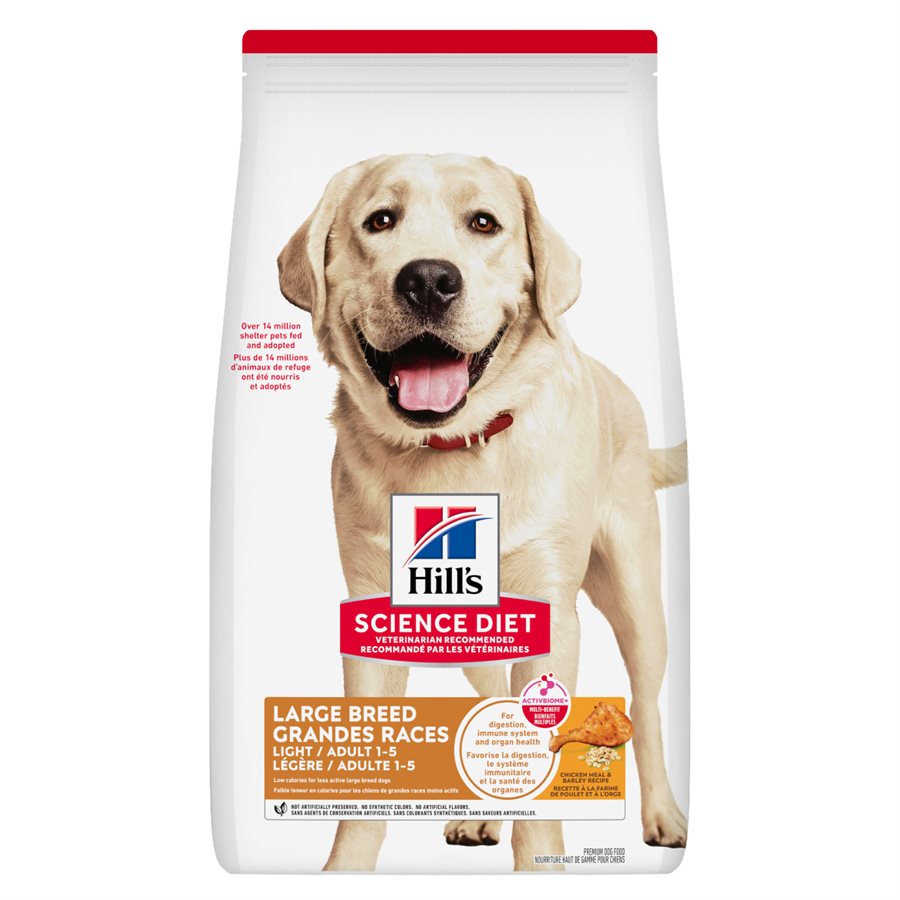
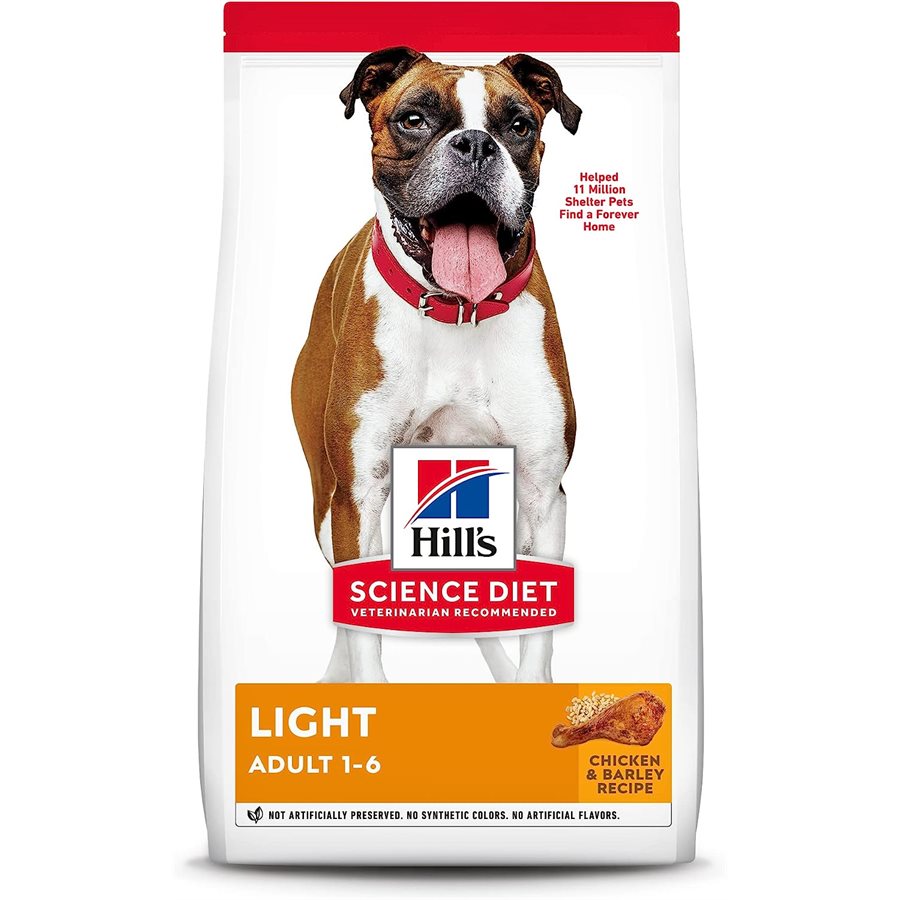
Maintaining an optimal weight is paramount for a dog’s overall health and longevity. Just like humans, dogs can suffer from the health complications associated with being overweight or obese, including joint problems, heart disease, diabetes, and a reduced quality of life. Understanding nutritional options designed to address this concern is therefore crucial for responsible pet ownership. Among the specialized diets available, Hills Science Diet Light Dog Food stands out as a carefully formulated option designed to help adult dogs achieve and maintain a healthy weight. This article explores the specifics of this particular food, delving into its purpose, benefits, and how it can contribute significantly to a dog’s well-being and an improved quality of life.
💡 Pet Care Key Takeaways:
- Core Focus: Practical health, nutrition, and wellness guidelines for Hills Science Diet Light Dog Food.
- Target Scope: Pet owners, animal caregivers, and veterinary support staff.
- Best Recommendation: Maintain consistent daily routines and consult an accredited veterinarian before introducing major diet or medical changes.
Common Causes and Key Factors
Canine obesity is a widespread issue, often stemming from a combination of factors. The primary contributors typically involve an imbalance between caloric intake and energy expenditure. Overfeeding, even by small amounts consistently over time, can lead to gradual weight gain. This is frequently exacerbated by a sedentary lifestyle, where dogs do not receive adequate physical activity to burn the calories consumed. Genetic predispositions also play a role, with certain breeds being more prone to weight gain than others. For example, Labrador Retrievers, Beagles, and Dachshunds are often genetically predisposed to obesity. For more related activities, check out our Natural Balance Puppy Food Quantity Chart.
Age can also be a significant factor; as dogs mature, their metabolism naturally slows down, and their activity levels may decrease, requiring fewer calories. Neutering or spaying can similarly alter a dog’s metabolism, increasing the likelihood of weight gain if dietary adjustments are not made. Environmental factors, such as easy access to human food scraps or an abundance of high-calorie treats, further contribute to excess weight. When these elements align, a dogs weight can steadily climb, necessitating a dietary intervention such as Hills Science Diet Light Dog Food.
Signs and Symptoms to Observe
Recognizing the signs of excess weight in a dog is the first step towards intervention. One of the most common indicators is the inability to easily feel a dog’s ribs when lightly pressing on their side without applying much pressure. A visible waistline, which should tuck up slightly behind the ribs when viewed from above, often disappears in overweight dogs. From the side, a sagging abdomen or a lack of abdominal tuck can be observed.
Behavioral changes also frequently accompany weight gain. Dogs may exhibit reduced stamina during walks or playtime, becoming winded more easily, or showing less enthusiasm for physical activity. Lethargy, difficulty standing up or lying down, and reluctance to jump onto furniture or into vehicles are also common. Increased panting, even with minimal exertion, can be another sign. The presence of fatty deposits over the hips, back, and at the base of the tail further confirms that a dog is carrying excess weight. These signs collectively point towards a need for dietary and lifestyle adjustments, where a light formulation like Hills Science Diet Light Dog Food can be beneficial.
Practical Solutions and Management Strategies
Addressing canine obesity requires a multi-faceted approach, with dietary management at its core. Transitioning a dog to a specialized diet like Hills Science Diet Light Dog Food is a practical starting point. This particular formulation is designed with fewer calories, reduced fat, and higher fiber content compared to standard adult dog foods. The increased fiber helps dogs feel fuller and more satisfied between meals, aiding in satiety without excess calories.
When implementing a new diet, a gradual transition over 7-10 days is recommended to prevent digestive upset. Begin by mixing a small amount of the new food with the current food, gradually increasing the proportion of Hills Science Diet Light Dog Food while decreasing the old food. Strict adherence to portion control, based on the dog’s ideal weight rather than current weight, is essential. The feeding guidelines on the packaging serve as a starting point, but individual needs may vary based on activity level, age, and metabolism. Using a kitchen scale to accurately measure portions ensures consistency.
Alongside dietary changes, increasing a dogs physical activity is crucial. Daily walks, engaging playtime, and other forms of exercise help burn calories and build lean muscle mass. Substituting high-calorie treats with low-calorie alternatives, such as plain air-popped popcorn (without butter or salt), baby carrots, or green beans, can also support weight loss goals. Regular monitoring of a dog’s weight and body condition score every few weeks helps track progress and allows for timely adjustments to food intake or exercise routines.
When Professional Help May Be Needed
While dietary changes and increased exercise are often effective, professional guidance is sometimes necessary. A veterinary consultation is highly recommended before initiating any significant dietary change, especially when considering a specialized food like Hills Science Diet Light Dog Food. A veterinarian can accurately assess a dog’s current weight, determine an ideal target weight, and rule out any underlying medical conditions that could be contributing to weight gain or affecting metabolism, such as hypothyroidism or Cushing’s disease. They can also provide tailored feeding recommendations and monitor a dog’s progress effectively.
If a dog struggles to lose weight despite consistent efforts with a light diet and increased exercise, or if a dog experiences any adverse reactions to the new food, professional intervention becomes even more critical. In some cases, a veterinarian may recommend prescription weight loss diets that offer more targeted caloric restriction and nutrient profiles. For behavioral aspects related to food or exercise reluctance, a professional dog trainer or a veterinary behaviorist might offer additional strategies to encourage activity and manage food-related behaviors.
Conclusion
Achieving and maintaining a healthy weight is fundamental to a dog’s well-being and contributes significantly to a longer, happier life. Hills Science Diet Light Dog Food offers a reliable and well-researched nutritional solution for adult dogs needing weight management. Understanding the causes of canine obesity, recognizing the subtle signs of excess weight, and implementing practical strategies involving appropriate diet and consistent exercise are crucial responsibilities for every dog owner. Consistent monitoring and, when necessary, seeking professional veterinary advice ensure that any weight management plan is safe, effective, and tailored to a dogs individual needs. By prioritizing proper nutrition and an active lifestyle, dog owners can help their beloved companions thrive.
Pet Care & Wellness Overview Table
| Life Stage | Daily Activity Level | Key Nutrition / Care Focus |
|---|---|---|
| Puppy / Kitten | High (frequent short bursts) | High-protein growth diet & early socialization |
| Adult Companion | Moderate (30–60 mins daily) | Balanced maintenance nutrition & dental hygiene |
| Senior Pets | Low to Gentle (mindful walks) | Joint support (Glucosamine) & routine vet checks |
Images References




For more expert pet care tips and advice, check out our dedicated Dog Nutrition guides to keep your companions healthy and happy.




