Introduction
The well-being of canine companions is a priority for countless pet owners, leading many to explore various avenues for optimizing their dogs’ health. Among these considerations, dietary supplements for dogs have emerged as a significant topic. These products are designed to complement a dog’s regular diet by providing concentrated nutrients, enhancing specific bodily functions, or addressing particular health concerns that may not be fully met by standard food alone. Understanding what dietary supplements are, when they might be beneficial, and how to use them responsibly is crucial for any owner aiming to improve their dog’s overall quality of life and longevity. This exploration aims to demystify canine supplementation, providing practical insights into supporting a dog’s health and vitality. Explore more in our Dog Nutrition collection.
💡 Pet Care Key Takeaways:
- Core Focus: Practical health, nutrition, and wellness guidelines for Dietary Supplements For Dogs.
- Target Scope: Pet owners, animal caregivers, and veterinary support staff.
- Best Recommendation: Maintain consistent daily routines and consult an accredited veterinarian before introducing major diet or medical changes.
Common Causes and Key Factors
The decision to consider dietary supplements for dogs often stems from various factors related to a dog’s age, health status, or specific lifestyle. Recognizing these underlying needs is the first step toward informed supplementation. For more related activities, check out our “Fortiflora” And “Gut Health”.
One primary factor is aging. Senior dogs frequently experience age-related changes such as joint stiffness, cognitive decline, or decreased digestive efficiency. Supplements can target these areas, aiming to support mobility, mental sharpness, and nutrient absorption. Discover more free resources across our collection library.
Another significant cause relates to dietary gaps or specific nutritional requirements. While commercial dog foods are formulated to be complete and balanced, individual dogs may have unique needs that are not optimally met. For instance, dogs on home-cooked diets almost always require careful supplementation to ensure they receive a full spectrum of essential vitamins and minerals. Similarly, some dogs may have sensitivities or conditions requiring specific nutrient boosts.
Breed-specific predispositions and genetic factors also play a role. Certain breeds are known to be more susceptible to conditions like hip dysplasia, heart issues, or skin problems. Proactive supplementation, often recommended by veterinarians, can sometimes help support the health of joints, cardiac function, or dermatological well-being in these breeds.
Furthermore, lifestyle and activity levels can influence nutritional needs. Highly active or working dogs may benefit from supplements that support joint health, muscle recovery, or sustained energy. Dogs experiencing environmental stressors or recovering from illness might also require additional support to bolster their immune system or aid recuperation.
Finally, existing health conditions such as allergies, chronic digestive issues, or skin disorders frequently prompt owners to explore targeted supplements. These can often work in conjunction with veterinary treatments to manage symptoms and improve a dog’s comfort.
Signs and Symptoms to Observe
Observing certain signs and symptoms in a dog can indicate that their current diet might benefit from the addition of dietary supplements for dogs. It is important to remember that these signs warrant veterinary consultation to rule out more serious underlying conditions before initiating any supplement regimen.
Mobility issues are common indicators, particularly in older dogs or larger breeds. Stiffness when rising, reluctance to jump or climb stairs, a noticeable limp, or a general decrease in activity levels can suggest joint discomfort or cartilage degradation, potentially benefiting from joint support supplements.
Changes in skin and coat health can also signal a need for nutritional adjustments. A dull, dry, flaky coat, excessive shedding beyond seasonal changes, or persistent itching and skin irritation might point to a deficiency in essential fatty acids or other skin-supporting nutrients. These issues can vary in severity and presentation depending on a dog’s breed and environmental factors.
Digestive upset is another key area. Chronic soft stools, frequent gas, episodes of diarrhea or constipation, or a lack of appetite can suggest an imbalance in gut flora or inefficient digestion. Probiotic or digestive enzyme supplements might be considered in such cases, often after a veterinary assessment.
A noticeable decrease in energy levels or general lethargy without an obvious cause could indicate a broader nutritional inadequacy or a need for immune system support. While these symptoms can be non-specific, they might prompt a discussion about general vitamin and mineral supplementation with a veterinarian.
In older dogs, signs of cognitive decline such as disorientation, altered sleep-wake cycles, reduced interaction, or house-soiling accidents can suggest a need for supplements that support brain health.
Any sudden or persistent changes in a dog’s behavior, physical condition, or elimination patterns should always be brought to the attention of a veterinarian to ensure accurate diagnosis and appropriate treatment.
Practical Solutions and Management Strategies
When considering dietary supplements for dogs, a structured approach, guided by professional advice, is paramount. Effective management involves understanding the types of supplements available, how to select them, and proper administration.
Identifying specific needs is the first step. Based on a dog’s age, breed, observed symptoms, and veterinary recommendations, owners can narrow down the vast array of available supplements. Common categories include:
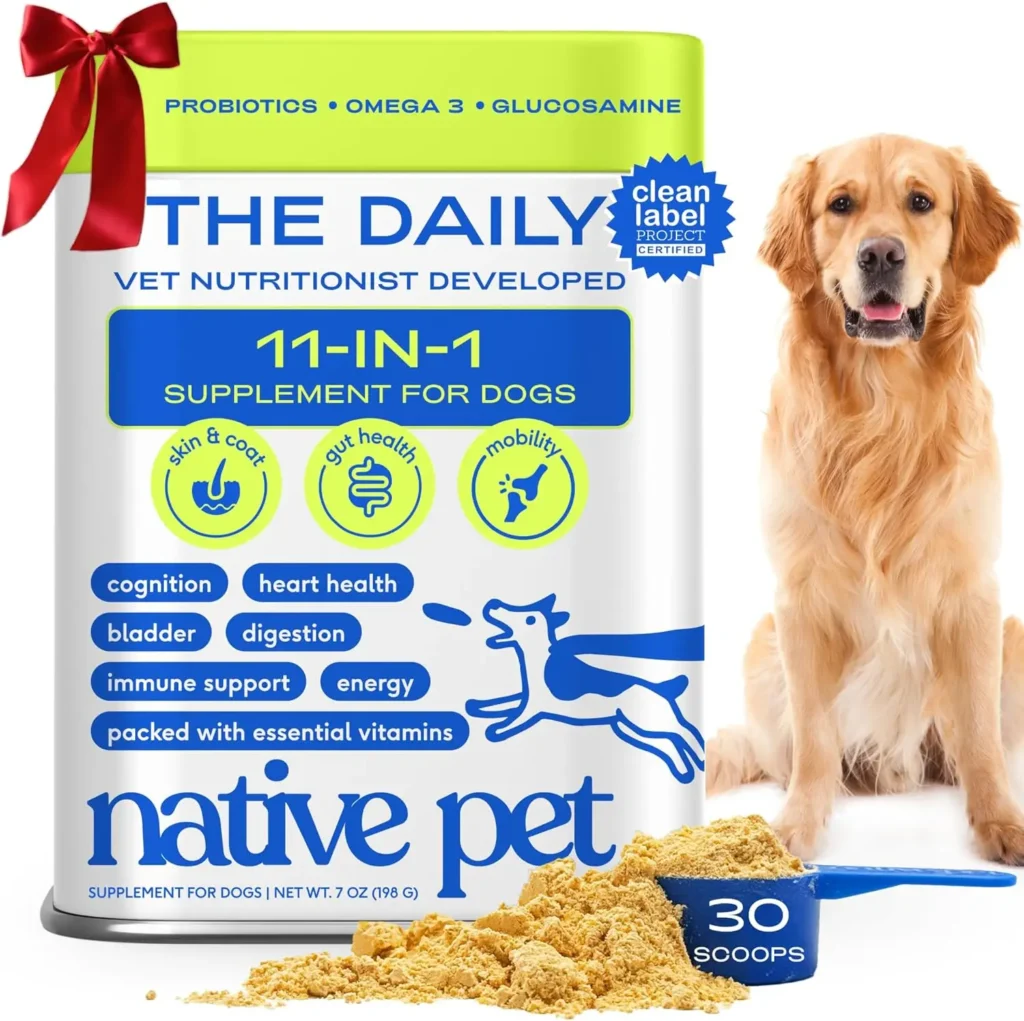
- Joint Support: Often containing glucosamine, chondroitin, and MSM, these aim to maintain cartilage health and improve mobility, particularly beneficial for older dogs or breeds prone to joint issues.
- Omega-3 Fatty Acids: Derived from fish oil or krill oil, these supplements support skin and coat health, reduce inflammation, and benefit heart, brain, and joint function.
- Probiotics and Prebiotics: Essential for gut health, these help maintain a balanced microbiome, aiding digestion, nutrient absorption, and immune function.
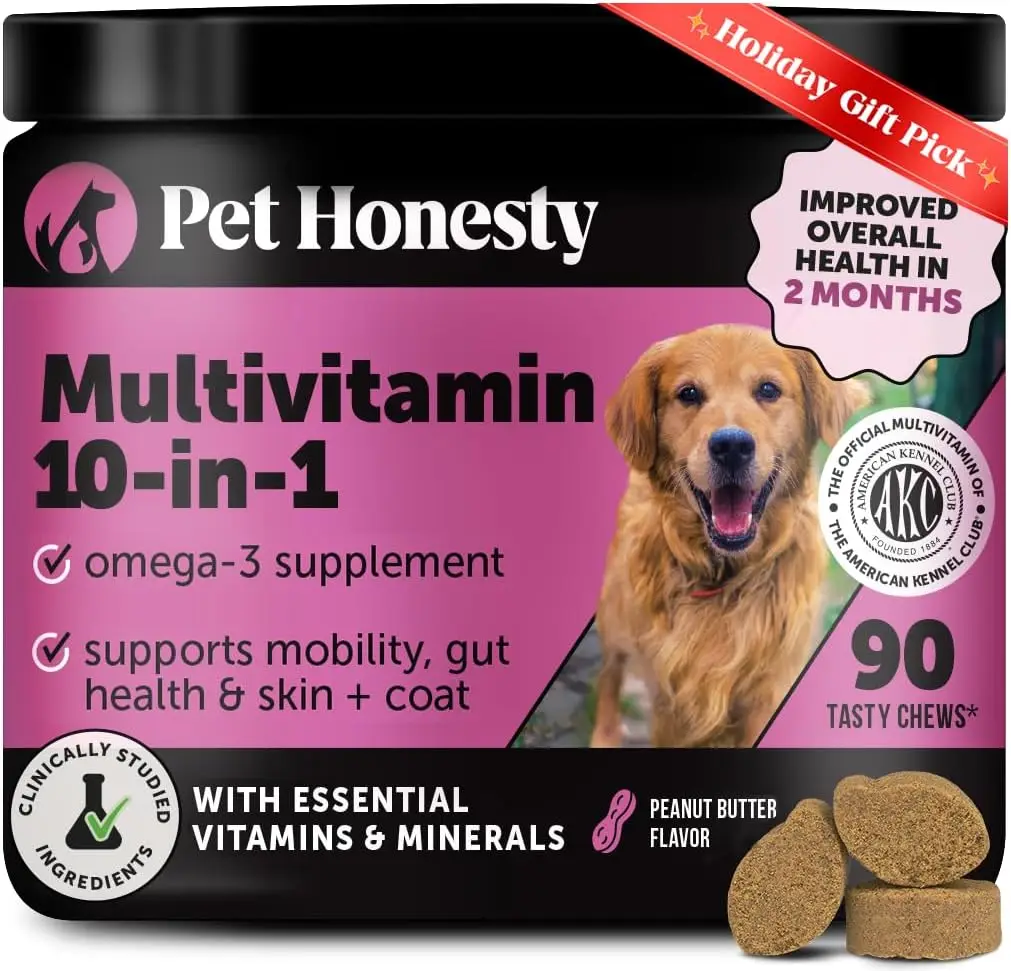
- Multivitamins: These can fill general nutritional gaps, though they should be used cautiously and usually only when a deficiency is identified, as over-supplementation of some vitamins can be harmful.
- Anxiety and Calming Supplements: Ingredients like L-theanine, tryptophan, or various herbal blends can help manage stress and anxiety, especially during situational triggers.
- Skin & Coat Specifics: Biotin, zinc, and other vitamins or minerals can target dermatological issues beyond what omega-3s provide.
Selecting quality products is crucial. The market for dietary supplements for dogs is unregulated in many regions, making it essential to choose reputable brands. Owners should look for supplements that have undergone third-party testing for purity and potency, and those recommended by veterinary professionals. Labels should clearly list ingredients, active components, and dosage instructions.
Proper administration ensures efficacy and safety. Always adhere strictly to the recommended dosage based on the dog’s weight and the product’s specific guidelines. Over-dosing can lead to adverse effects, while under-dosing may render the supplement ineffective. Supplements come in various forms chewables, powders, liquids making it easier to find one that a dog will accept, often mixed with food or offered as a treat. Consistency in administration is key to observing potential benefits.
Integrating supplements into a dog’s overall health plan requires ongoing observation. Owners should monitor their dog for any improvements in the targeted area, as well as for potential adverse reactions. Adjustments to dosage or type of supplement should only be made under veterinary guidance. Remember, supplements are complements to a balanced diet and proper veterinary care, not replacements.
When Professional Help May Be Needed
While dietary supplements for dogs can offer valuable support for canine health, their use should always be approached with caution and informed by professional expertise. There are critical situations where veterinary consultation is not just recommended, but essential.
Before initiating any new supplement, it is imperative to consult with a veterinarian. A professional can accurately diagnose the underlying cause of any observed symptoms, ensuring that a supplement is truly appropriate and not masking a more serious condition requiring different medical intervention. A veterinarian can also provide guidance on the most effective and safe type of supplement for a dog’s specific needs, considering factors like age, breed, existing health conditions, and current medications.
A veterinarian’s input is crucial for determining the correct dosage. Supplements are not “one size fits all,” and incorrect dosages can be ineffective or even harmful. Furthermore, professionals can advise on potential interactions between supplements and any existing medications a dog may be taking, preventing adverse reactions or reduced efficacy of either substance.
Professional help is also needed if a dog exhibits any adverse reactions after starting a supplement. Signs such as vomiting, diarrhea, lethargy, loss of appetite, or skin irritations should prompt immediate cessation of the supplement and an urgent veterinary visit. These symptoms could indicate an allergic reaction, an intolerance, or an over-dosage.
Finally, regular follow-up appointments are important when a dog is on a supplement regimen. These visits allow the veterinarian to monitor the dog’s progress, assess the supplement’s effectiveness, and make any necessary adjustments. This ensures that the chosen dietary supplements for dogs continue to align with the dog’s evolving health needs and contribute positively to its well-being.
Conclusion
The thoughtful integration of dietary supplements for dogs can indeed play a supportive role in enhancing a canine companion’s health and quality of life. From supporting aging joints and promoting a vibrant coat to aiding digestion and calming anxious temperaments, the range of benefits can be significant when approached correctly. The cornerstone of effective supplementation lies in a deep understanding of a dog’s individual needs, careful observation of any health indicators, and a commitment to responsible choices. Always remember that a balanced, high-quality diet and consistent veterinary care form the irreducible foundation of a dog’s well-being. Supplements are valuable tools to complement this foundation, not replace it. By making informed decisions and collaborating closely with veterinary professionals, owners can ensure their beloved dogs receive the best possible support, helping them to thrive for years to come on petsanimalsworld.com.
Pet Care & Wellness Overview Table
| Life Stage | Daily Activity Level | Key Nutrition / Care Focus |
|---|---|---|
| Puppy / Kitten | High (frequent short bursts) | High-protein growth diet & early socialization |
| Adult Companion | Moderate (30–60 mins daily) | Balanced maintenance nutrition & dental hygiene |
| Senior Pets | Low to Gentle (mindful walks) | Joint support (Glucosamine) & routine vet checks |
Images References