Introduction
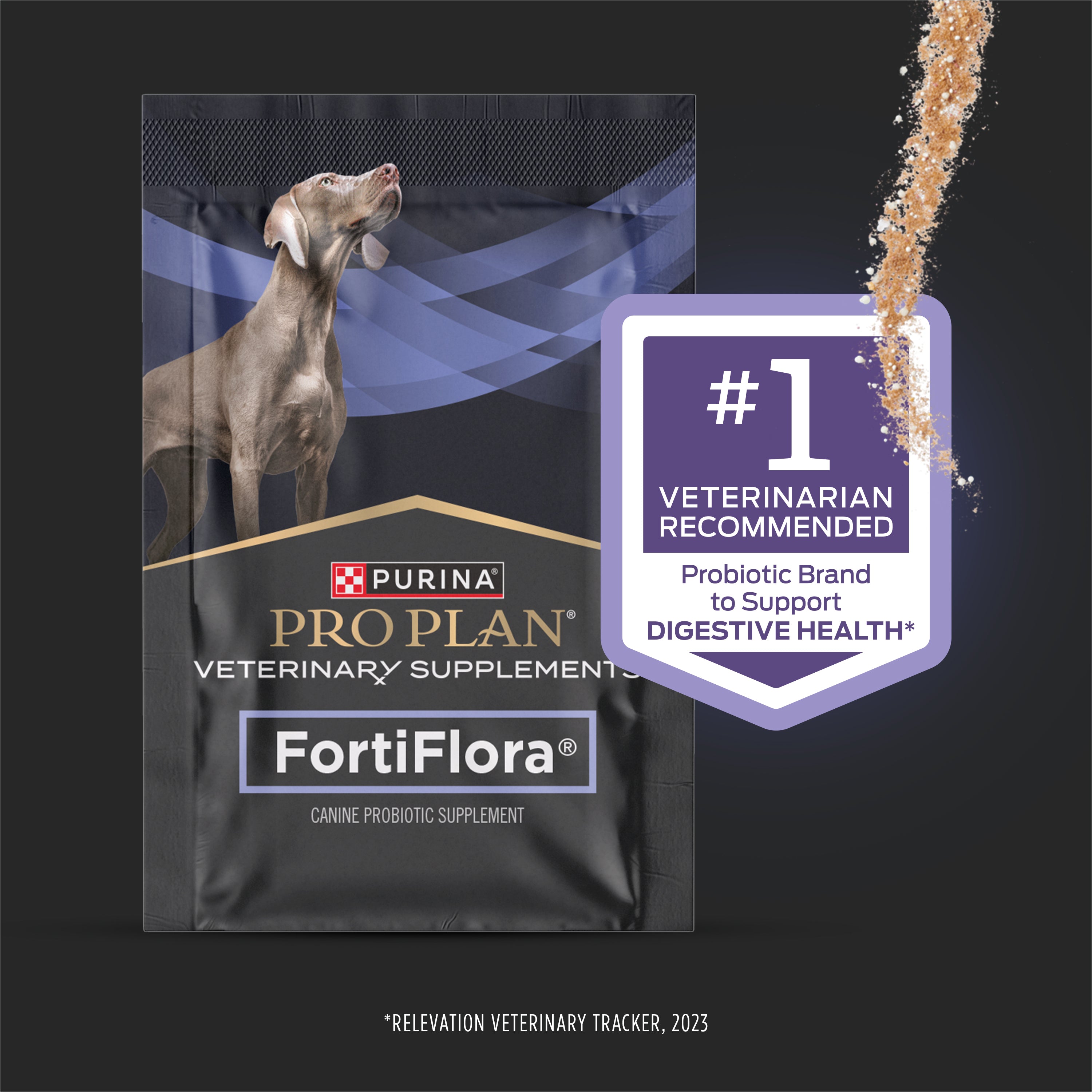
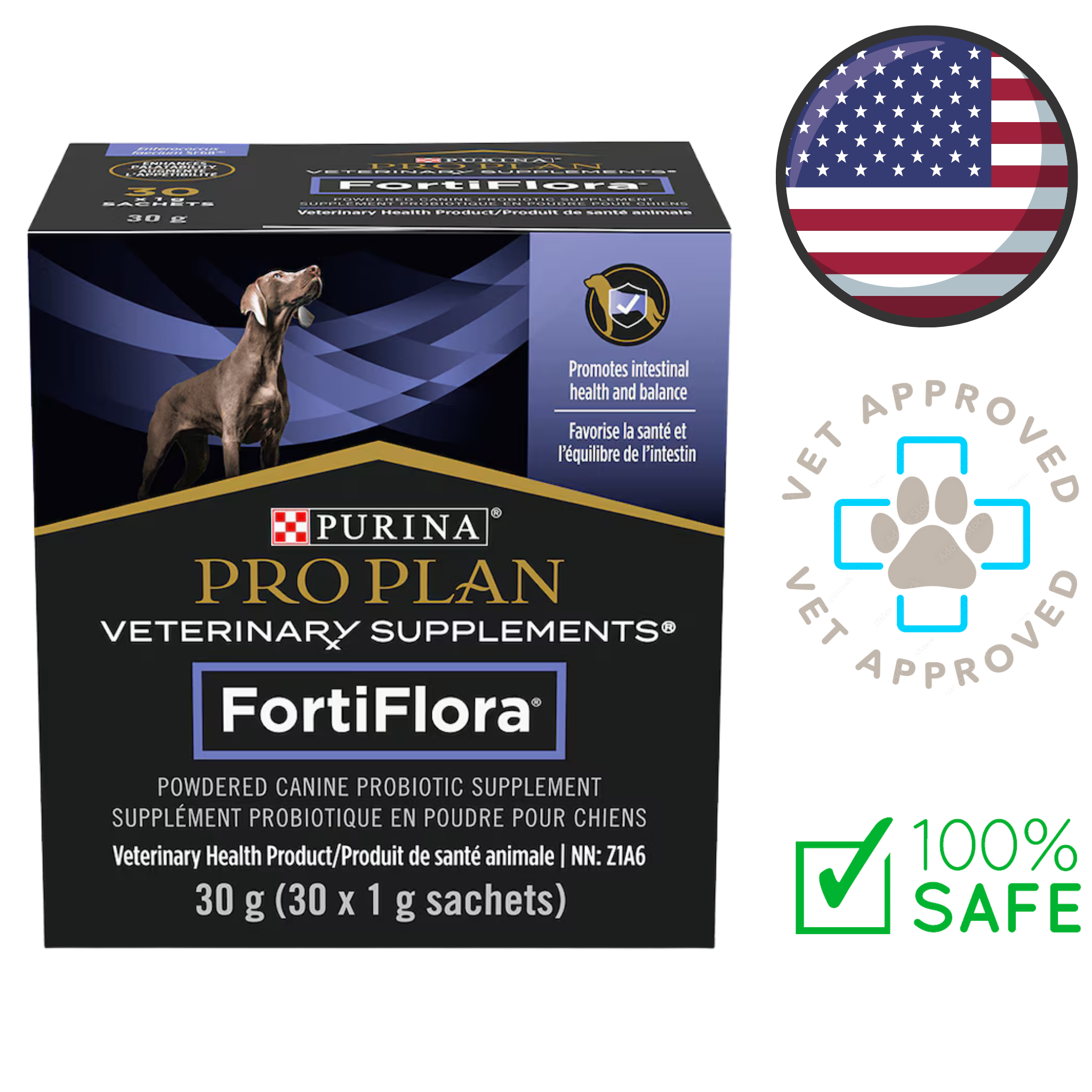
Maintaining optimal digestive health is a cornerstone of a dog’s overall well-being, directly impacting immunity, energy levels, and even coat condition. In the realm of canine nutrition and supportive care, the Purina Pro Plan Fortiflora Probiotic Supplement for Dogs stands out as a widely recognized and veterinarian-recommended product. This specialized supplement is designed to introduce beneficial bacteria into a dog’s gut, helping to rebalance the intestinal flora when it becomes disrupted. Understanding the function and appropriate use of this probiotic can be instrumental for dog owners facing common gastrointestinal upsets or seeking to support their dogs immune system proactively. By promoting a healthy gut microbiome, this type of intervention contributes significantly to a dogs comfort, vitality, and resilience against various health challenges, ultimately enhancing their quality of life. Explore more in our Dog Nutrition collection.
💡 Pet Care Key Takeaways:
- Core Focus: Practical health, nutrition, and wellness guidelines for Purina Pro Plan Fortiflora Probiotic Supplement For Dogs.
- Target Scope: Pet owners, animal caregivers, and veterinary support staff.
- Best Recommendation: Maintain consistent daily routines and consult an accredited veterinarian before introducing major diet or medical changes.
Common Causes and Key Factors
A dog’s gut microbiome, a complex community of microorganisms, can be surprisingly delicate and susceptible to various disruptions. Several common factors frequently lead to an imbalance in this crucial internal ecosystem, creating a need for supportive measures like a probiotic supplement. For more related activities, check out our Purina One Xxl 10Kg Feeding Guide 20Kg Dog.
One primary cause is stress, which can manifest in various ways for dogs. Changes in routine, travel, boarding, separation anxiety, or even visits to the veterinarian can induce physiological stress responses that negatively impact gut health. Similarly, dietary changes are a frequent trigger for digestive upset. Switching dog food brands abruptly, introducing new treats, or ingesting inappropriate items from the environment can overwhelm a dog’s digestive system, leading to an imbalance of gut bacteria. Discover more free resources across our collection library.
Another significant factor is the use of antibiotics. While essential for treating bacterial infections, antibiotics do not discriminate between harmful and beneficial bacteria, often eradicating a substantial portion of the healthy gut flora. This collateral damage can leave the digestive system vulnerable and prone to issues like diarrhea. Furthermore, various illnesses, particularly those affecting the gastrointestinal tract, can severely disrupt the normal balance of gut bacteria. Puppies, senior dogs, and those with sensitive stomachs may be particularly susceptible to these imbalances due to their developing or aging digestive systems, or inherent predispositions.
Signs and Symptoms to Observe
Recognizing the signs that a dog’s digestive system may be out of balance is crucial for timely intervention. The observable indicators can range from mild to severe and may vary based on the dog’s age, breed, and the underlying cause of the imbalance.
One of the most common and clear signs is a change in stool quality. This includes acute or chronic diarrhea, loose stools, inconsistency in firmness, or an increase in the frequency of bowel movements. Conversely, some dogs might experience constipation, though this is less directly associated with probiotic deficiency than diarrhea. Vomiting or regurgitation, especially if occurring frequently or after meals, can also signal digestive distress.
Other noticeable symptoms involve a dog’s general comfort and well-being. Excessive gas, bloating, or abdominal discomfort may be evidenced by restlessness, an arched back, or reluctance to be touched on the belly. Dogs might also display a reduced appetite or become unusually picky eaters, as digestive upset can make eating uncomfortable. In some instances, a dull coat, flaky skin, or even recurring ear infections have been linked to underlying issues with gut health and nutrient absorption. Observing any of these signs warrants attention and consideration for supportive digestive care.
Practical Solutions and Management Strategies
Managing and improving a dog’s digestive health often involves a multi-faceted approach, with Purina Pro Plan Fortiflora Probiotic Supplement for Dogs serving as a central component for many owners. This supplement is designed for ease of use, making it a practical addition to a dog’s daily routine.
The standard method of administration involves sprinkling one sachet of Fortiflora powder over a dog’s regular food once daily. Its palatable taste is generally well-accepted by most dogs, simplifying the process and ensuring consistent intake. Adherence to the manufacturer’s recommended dosage is crucial, as is understanding the duration of use. For acute issues like stress-induced diarrhea or during antibiotic treatment, a course of several days to a few weeks may be sufficient. For chronic conditions or to provide ongoing immune support, long-term daily administration might be recommended by a veterinarian.
Beyond the probiotic supplement, several complementary strategies can further bolster a dog’s digestive health. Ensuring consistent access to fresh, clean water is vital for preventing dehydration, especially during episodes of diarrhea. Gradual dietary transitions, always introducing new foods slowly over several days to a week, can prevent sudden gut upsets. Minimizing exposure to stressors and providing a stable, enriching environment can also reduce the likelihood of stress-related digestive issues. Furthermore, avoiding table scraps, overly fatty foods, and known allergens or toxins helps maintain the integrity of the digestive system. Integrating these practices alongside the use of a targeted probiotic creates a robust plan for digestive wellness.
When Professional Help May Be Needed
While supplements like the Purina Pro Plan Fortiflora Probiotic Supplement for Dogs can be highly beneficial for common digestive upsets, there are specific situations where veterinary consultation becomes imperative. Understanding these circumstances is vital for responsible pet ownership, ensuring that a dog receives appropriate medical care when necessary.
Immediate veterinary attention is warranted if a dog exhibits severe or persistent symptoms. This includes diarrhea lasting more than 24-48 hours, especially if accompanied by blood or mucus, or if the dog is straining excessively. Severe or recurrent vomiting, particularly if it prevents the dog from keeping down water, is also a serious concern. Signs of dehydration, such as lethargy, sunken eyes, dry gums, or skin that remains tented when gently pulled up, indicate an urgent need for professional assessment.
Furthermore, if a dog displays significant changes in behavior, such as extreme weakness, collapse, or profound lethargy, alongside digestive issues, a veterinarian should be consulted without delay. Any dog exhibiting abdominal pain, swelling, or a lack of appetite for an extended period also requires professional evaluation. For dogs with pre-existing health conditions or those on other medications, it is always advisable to consult a veterinarian before introducing any new supplement, including Purina Pro Plan Fortiflora, to ensure it is appropriate and does not interact negatively with other treatments. A veterinarian can accurately diagnose underlying conditions and formulate a comprehensive treatment plan that may or may not include a probiotic supplement.
Conclusion
The digestive system plays a pivotal role in a dog’s overall health, impacting everything from nutrient absorption to immune function. The Purina Pro Plan Fortiflora Probiotic Supplement for Dogs offers a targeted and effective means to support this vital system, helping to maintain a balanced gut microbiome. Its strategic use can aid in managing common gastrointestinal upsets like diarrhea caused by stress, dietary changes, or antibiotic use, and contributes to the general strengthening of a dog’s natural defenses.
Dog owners can significantly enhance their canine companion’s well-being through attentive observation of digestive health indicators and the proactive implementation of supportive measures. Integrating a high-quality probiotic, such as Fortiflora, alongside a balanced diet, stress reduction techniques, and careful monitoring, forms a comprehensive approach to digestive care. While this supplement provides valuable support, the importance of professional veterinary consultation for persistent or severe symptoms cannot be overstated. By embracing informed care and recognizing when to seek expert advice, owners can ensure their dogs enjoy robust health and an optimal quality of life, reflecting the commitment to canine wellness championed by petsanimalsworld.com.
Pet Care & Wellness Overview Table
| Life Stage | Daily Activity Level | Key Nutrition / Care Focus |
|---|---|---|
| Puppy / Kitten | High (frequent short bursts) | High-protein growth diet & early socialization |
| Adult Companion | Moderate (30–60 mins daily) | Balanced maintenance nutrition & dental hygiene |
| Senior Pets | Low to Gentle (mindful walks) | Joint support (Glucosamine) & routine vet checks |
Images References