
Understanding the Vital Role of Renal Diets in Canine Longevity
According to the American Veterinary Medical Association, kidney-related complications represent a significant medical concern for aging canine populations, making proper nutritional management an absolute cornerstone of modern veterinary medicine. Walking through a veterinary clinic exam room, one often hears concerned caregivers asking how best to support a beloved companion facing declining renal function. Kidneys perform the critical tasks of filtering metabolic waste, regulating blood pressure, and maintaining proper electrolyte balance within the bloodstream. When these bean-shaped organs begin to falter due to age, genetics, or chronic disease, toxic byproducts can accumulate in the body and cause widespread systemic distress. Medical professionals frequently turn to specialized therapeutic diets to alleviate this internal burden. Recognizing how advanced therapeutic nutrition functions can profoundly alter the trajectory of canine health management, offering hope and vitality when furry friends need it most.
💡 Pet Care Key Takeaways:
- Core Focus: Practical health, nutrition, and wellness guidelines for Benifits Of Hills K/D Canine.
- Target Scope: Pet owners, animal caregivers, and veterinary support staff.
- Best Recommendation: Maintain consistent daily routines and consult an accredited veterinarian before introducing major diet or medical changes.
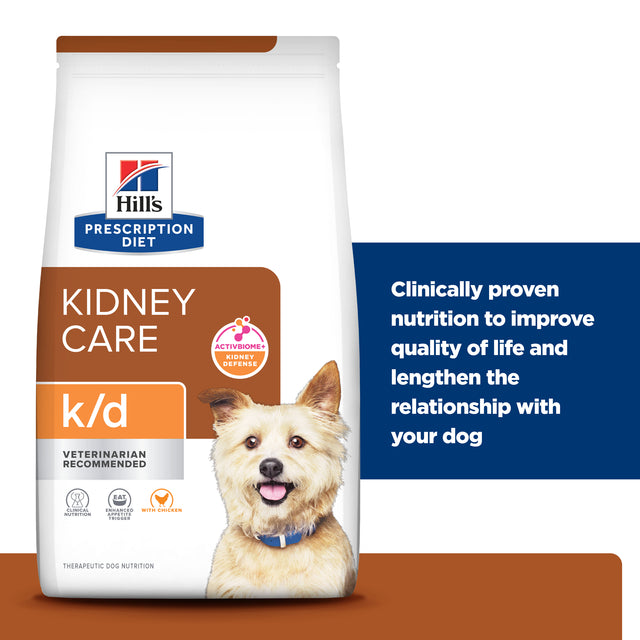
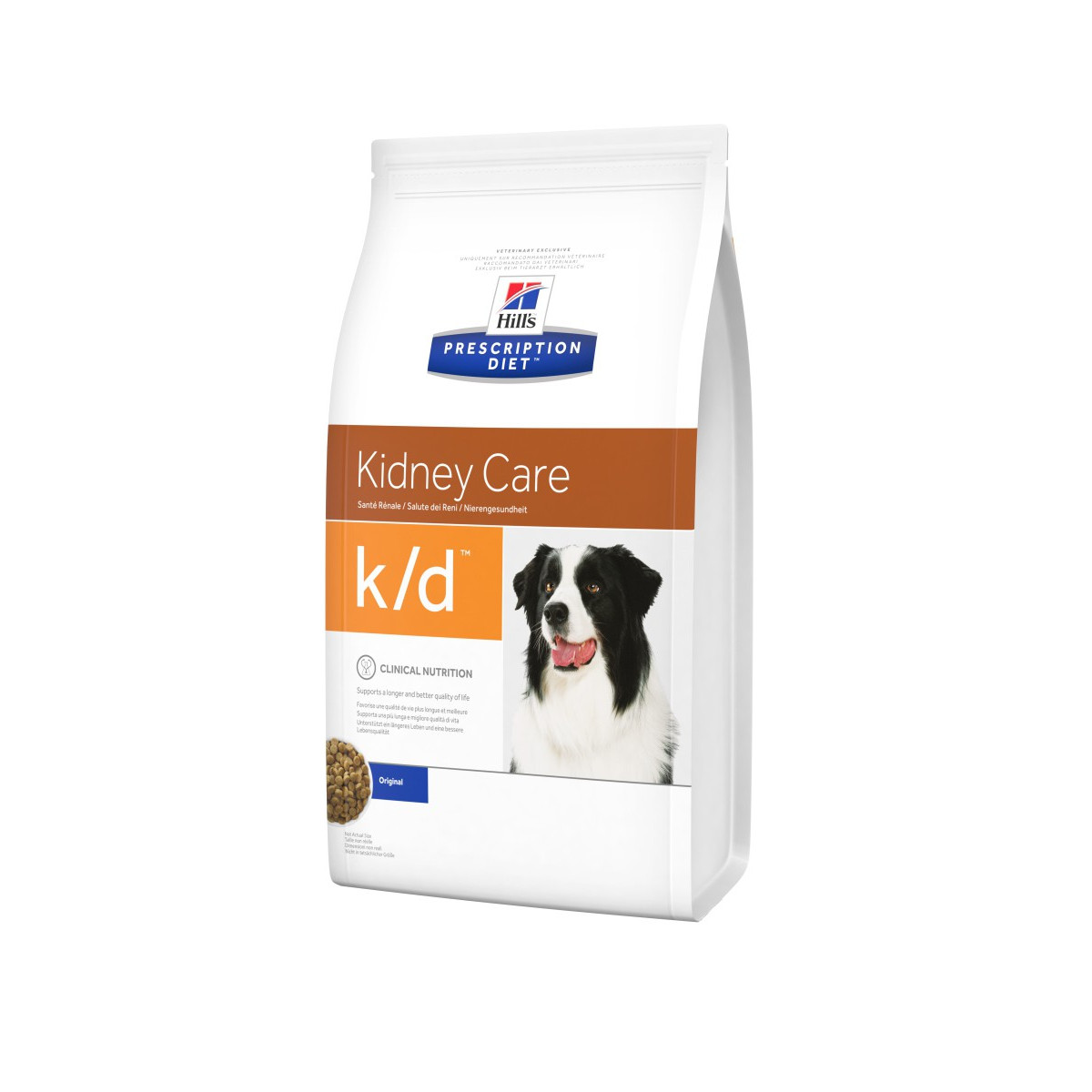
Hill’s Prescription Diet k/d Canine is a scientifically formulated therapeutic dog food designed to support kidney function and protect remaining renal tissue.
The core philosophy behind this specialized formulation centers on reducing the workload placed upon damaged nephrons, which are the microscopic filtering units inside the kidneys. Standard commercial dog foods often contain high levels of phosphorus and protein that, while normal for healthy dogs, force compromised kidneys to work overtime to process the resulting metabolic waste. By carefully restricting phosphorus and utilizing controlled quantities of highly digestible proteins, the diet prevents the buildup of uremic toxins in the bloodstream. Furthermore, clinical nutritionists enrich these recipes with targeted therapeutic levels of omega-3 fatty acids derived from fish oil. These powerful compounds actively help reduce internal inflammation while supporting optimal blood flow within the renal architecture. Understanding these internal mechanisms reassures caregivers that every bowl served serves a precise, healing purpose. For more related activities, check out our Pedigree Pro Large Breed Puppy Food For Gsd.
Therapeutic nutrition can significantly improve both the length and quality of life for dogs diagnosed with chronic kidney disease. — American Animal Hospital Association
The primary health impact of utilizing this renal diet involves slowing disease progression and alleviating distressing uremic symptoms.
When dogs experience chronic renal failure, they frequently suffer from nausea, lethargy, poor appetite, and unwanted weight loss due to circulating toxins. Shifting the patient to a targeted veterinary renal diet dramatically reduces these uncomfortable sensations, allowing dogs to regain their natural spark and interest in daily activities. In clinical practice, veterinary technicians routinely observe how quickly a nauseous dog begins eating more willingly once phosphorus-restricted nutrition clears their system of lingering metabolic fog. Beyond comfort, clinical studies confirm that controlled protein levels protect the delicate filtering membranes from hyperfiltration injury. Enhanced antioxidant profiles additionally neutralize cell-damaging free radicals throughout the body. Consequently, canine patients experience fewer metabolic crises and enjoy sustained stability over extended periods.
Implementing this specialized nutritional plan requires a gradual dietary transition and continuous partnership with a licensed veterinarian.
Introducing any new therapeutic food to a dog must be done slowly over the course of seven to ten days to prevent digestive upset and rejection. Caregivers should mix increasing proportions of the renal diet with the previous food while steadily decreasing the old formulation. However, navigating a finicky appetite can test the patience of even the most dedicated pet owner, especially when dogs feel under the weather. Warming the food slightly or adding warm water can release aromatic compounds that entice reluctant eaters back to the bowl. It remains essential to confirm appropriate portion sizes with a veterinary professional, as exact feeding amounts vary based on body condition score, metabolic state, and concurrent medical conditions. Never assume a single dosage or volume fits every dog.
Best practices involve avoiding high-phosphorus table scraps and ensuring constant access to fresh, clean drinking water.
Feeding a therapeutic kidney diet loses its therapeutic value if the dog simultaneously consumes high-phosphorus treats, table scraps, or chemically treated chews. Common kitchen ingredients like cheese, processed meats, and certain bones can introduce sudden spikes in blood phosphorus, counteracting the benefits of the prescription food. Caregivers must also remain vigilant about hydration, as compromised kidneys struggle to concentrate urine efficiently, increasing the risk of dehydration. Adding a splash of water to the meal or utilizing the canned version of the diet provides a beneficial moisture boost. Additionally, routine blood work and urinalysis remain non-negotiable components of long-term management, allowing veterinarians to adjust care plans as the dog ages. Consistency in daily management protects internal organ health more effectively than any sporadic intervention.
Proper hydration and restricted phosphorus intake are critical factors in managing canine renal health and slowing nephron degradation. — Association of American Feed Control Officials
Pet Care & Wellness Overview Table
| Life Stage | Daily Activity Level | Key Nutrition / Care Focus |
|---|---|---|
| Puppy / Kitten | High (frequent short bursts) | High-protein growth diet & early socialization |
| Adult Companion | Moderate (30–60 mins daily) | Balanced maintenance nutrition & dental hygiene |
| Senior Pets | Low to Gentle (mindful walks) | Joint support (Glucosamine) & routine vet checks |
Images References




Senior dogs and specific breeds predisposed to genetic kidney issues benefit most proactively from early veterinary nutritional interventions.
While renal disease is most frequently diagnosed in geriatric dogs, certain breeds—such as Cocker Spaniels, Standard Poodles, and German Shepherds—exhibit higher hereditary predispositions toward early organ decline. For these vulnerable groups, routine wellness screening by a veterinarian becomes paramount to catching subtle elevations in blood creatinine and blood urea nitrogen long before physical symptoms manifest. Age-related cellular wear and tear also makes older dogs prime candidates for preventive dietary management before end-stage failure occurs. Understanding these biological timelines empowers dog owners to act preemptively rather than reactively. Tailoring nutritional support to life stage and breed background ensures a proactive shield against age-related degeneration.
Consulting a qualified veterinarian is essential before initiating any therapeutic nutritional changes for a dog exhibiting signs of illness.
Because symptoms like increased thirst, frequent urination, and lethargy can overlap across multiple systemic conditions, an accurate professional diagnosis is strictly required. Kidney disease shares clinical similarities with diabetes, Cushing’s disease, and severe urinary tract infections, all of which require entirely different medical protocols. Attempting to self-diagnose or prescribe therapeutic diets without laboratory confirmation can delay critical treatments for underlying diseases. Veterinarians utilize comprehensive diagnostic testing to stage renal impairment accurately and determine whether a specific prescription diet is appropriate for the individual patient. Professional guidance ensures the dog receives safe, targeted care tailored precisely to their physiological needs.
Supporting long-term canine wellness requires informed nutritional choices, consistent veterinary oversight, and dedicated daily care.
Navigating canine health challenges demands both emotional resilience and accurate scientific understanding from devoted pet owners. By harnessing the proven physiological advantages of specialized therapeutic diets, caregivers can dramatically enhance their dog’s comfort and longevity. Every mindful meal choice contributes to a better quality of life for aging companions facing internal adversity. Exploring reliable resources helps build confidence throughout the entire caregiving journey. For further guidance on maintaining optimal canine health, readers can explore informative articles on Dog Health and thoughtful nutritional advice within Dog Nutrition. Discover more expert resources for all your beloved companions by visiting PetsAnimalsWorld.com.




