

Understanding the Developmental Stage of an Eleven Months Old Golden Retriever
The period surrounding the eleventh month of a Golden Retriever’s life represents a critical transition between puppyhood and social maturity. According to the American Kennel Club, large-breed dogs like Golden Retrievers often continue to grow and develop physically and mentally until they reach 18 to 24 months of age. Recognizing that an eleven-month-old dog is essentially a “teenager” in canine years helps owners adjust expectations regarding energy levels, focus, and impulse control. This stage is characterized by high levels of curiosity, a need for structured activity, and the persistence of adolescent behavioral traits that require patient, consistent guidance. Explore more in our Dog Behavior collection.
💡 Pet Care Key Takeaways:
- Core Focus: Practical health, nutrition, and wellness guidelines for Eleven Months Old Golden Retriever.
- Target Scope: Pet owners, animal caregivers, and veterinary support staff.
- Best Recommendation: Maintain consistent daily routines and consult an accredited veterinarian before introducing major diet or medical changes.
Defining the Eleven-Month Milestone in Canine Development
An eleven-month-old Golden Retriever is in the late stages of adolescence, a phase marked by significant hormonal fluctuations and increased independence. During this time, the dog may demonstrate a selective memory for previously learned commands, often testing boundaries to see which rules remain firm and which might be negotiable. While the physical appearance of the dog may closely resemble that of an adult, the internal cognitive framework is still undergoing refinement. This is a time when the brain is highly plastic, meaning it is still very capable of learning new skills, though the dog’s attention span may be shorter than it was during earlier, more compliant months.
Health and Physiological Considerations for Late Adolescence
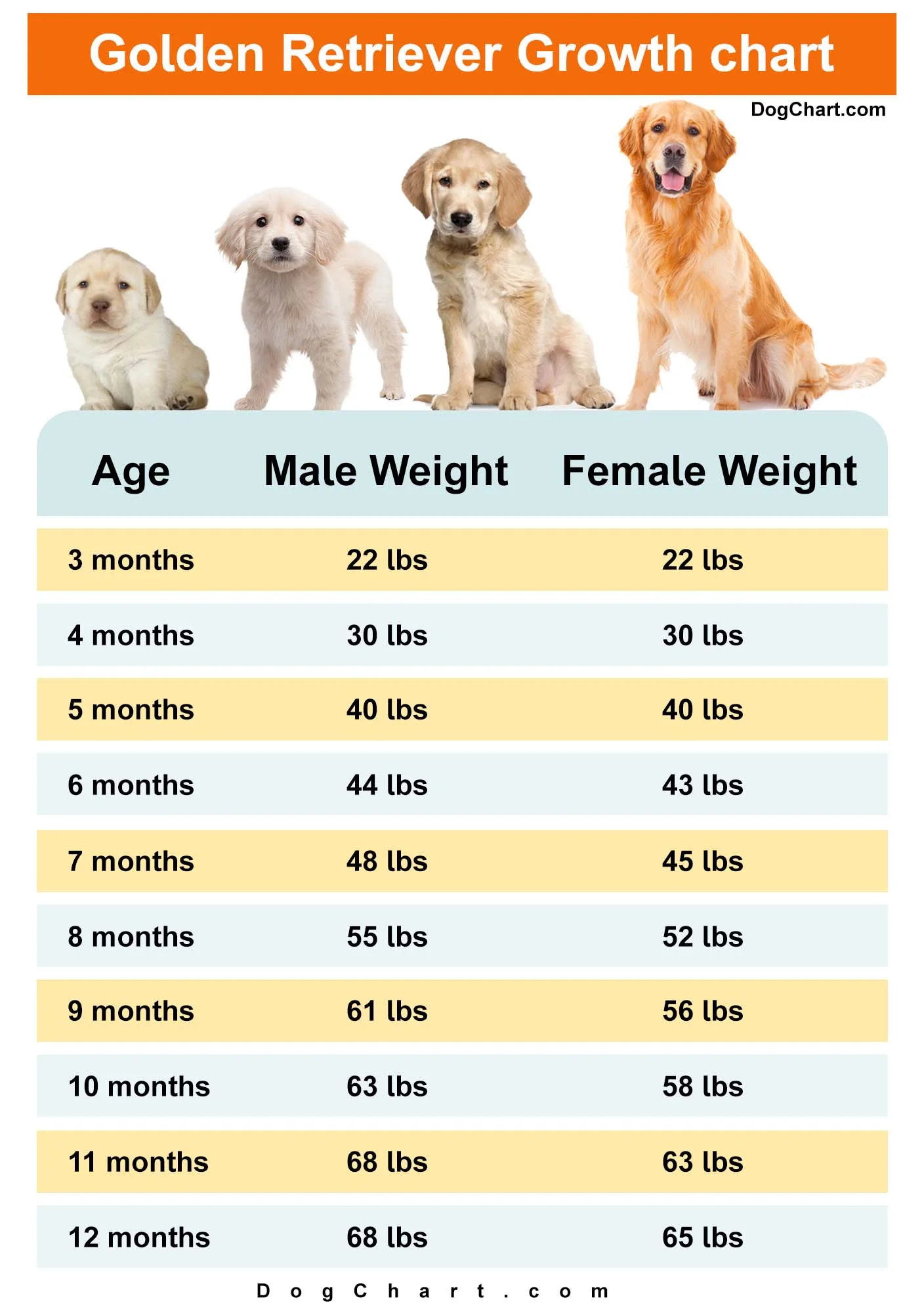
Managing the health of an eleven-month-old Golden Retriever involves monitoring for breed-specific orthopedic conditions and ensuring appropriate nutritional intake. As the dog approaches its adult size, the growth plates in the long bones are nearing closure, but they may remain vulnerable to high-impact stress. Consequently, engaging in repetitive, high-impact activities like jumping off high surfaces or forced long-distance running should be approached with caution. Providing a balanced, life-stage-appropriate diet is essential to support the final stages of skeletal and muscular development without promoting excessive weight gain, which can place unnecessary strain on developing joints.
Large-breed dogs, such as Golden Retrievers, require carefully managed exercise and nutrition to support healthy bone and joint development during their growth phases. — American Kennel Club
Strategies for Managing and Training the Adolescent Retriever
Training an eleven-month-old Golden Retriever requires a shift toward reinforcing reliability in distracting environments rather than simply teaching new tricks. Because this breed is highly social and eager to please, positive reinforcement remains the most effective methodology for shaping behavior. Owners should focus on “proof” training—practicing known commands in varied locations to ensure the dog understands that “sit” or “stay” applies everywhere, not just in the living room. Implementing consistent Dog Training routines helps channel the dog’s high energy into productive outlets, reducing the likelihood of boredom-induced destructive behaviors.
Best Practices for Daily Care and Behavior Management
Effective management at this age involves providing ample mental stimulation to complement physical exercise. A tired dog is generally a well-behaved dog, but physical exercise alone is often insufficient for a breed as intelligent as the Golden Retriever. Incorporating puzzle toys, scent work, or short training sessions into the daily routine can satisfy the dog’s cognitive needs. It is equally important to avoid common pitfalls, such as inadvertently rewarding attention-seeking behaviors like jumping or excessive barking. Instead, prioritizing the reinforcement of calm, settled behavior helps the dog transition smoothly into the more composed temperament typical of a mature adult.
Mental enrichment, such as puzzle games and scent-based activities, is essential for satisfying the cognitive needs of intelligent, active dog breeds. — American Society for the Prevention of Cruelty to Animals
Pet Care & Wellness Overview Table
| Life Stage | Daily Activity Level | Key Nutrition / Care Focus |
|---|---|---|
| Puppy / Kitten | High (frequent short bursts) | High-protein growth diet & early socialization |
| Adult Companion | Moderate (30–60 mins daily) | Balanced maintenance nutrition & dental hygiene |
| Senior Pets | Low to Gentle (mindful walks) | Joint support (Glucosamine) & routine vet checks |
Images References





Temperament and Breed Characteristics at Eleven Months
The Golden Retriever breed is known for its friendly, confident, and devoted nature, qualities that usually begin to solidify as the dog exits the adolescent phase. At eleven months, a dog may display increased confidence, sometimes manifesting as boldness or an over-enthusiastic greeting style. Understanding that this behavior is often a reflection of the breed’s natural sociability allows owners to guide the dog toward polite social interactions. Socialization should remain a priority, focusing on controlled, positive exposures to new people, other dogs, and various environments to ensure the dog remains well-adjusted as it matures into adulthood.
When to Seek Professional Veterinary or Behavioral Guidance
Consulting a professional is necessary if an eleven-month-old Golden Retriever displays sudden changes in appetite, persistent lethargy, or signs of lameness, as these may indicate underlying health issues. Similarly, if behavioral challenges such as extreme fear, persistent resource guarding, or unprovoked aggression emerge, seeking the assistance of a qualified, certified trainer or a veterinary behaviorist is the recommended course of action. Professional intervention is also appropriate when standard training methods fail to produce progress, as early identification of behavioral concerns often leads to more successful outcomes through individualized, science-based intervention plans.
Building a Lifelong Foundation for Your Golden Retriever
Caring for an eleven-month-old Golden Retriever is a rewarding experience that sets the tone for the many years of companionship ahead. By prioritizing consistent Dog Care, maintaining regular veterinary check-ups, and fostering a deep understanding of the breed’s unique needs, owners can ensure their dog thrives. Whether focusing on Dog Health or exploring new activities, the investment made during this final stretch of development pays dividends in the form of a well-adjusted and healthy companion. For further resources and guidance on all aspects of canine companionship, please visit PetsAnimalsWorld.com.




