

Decoding Canine Communication Through Visual Education
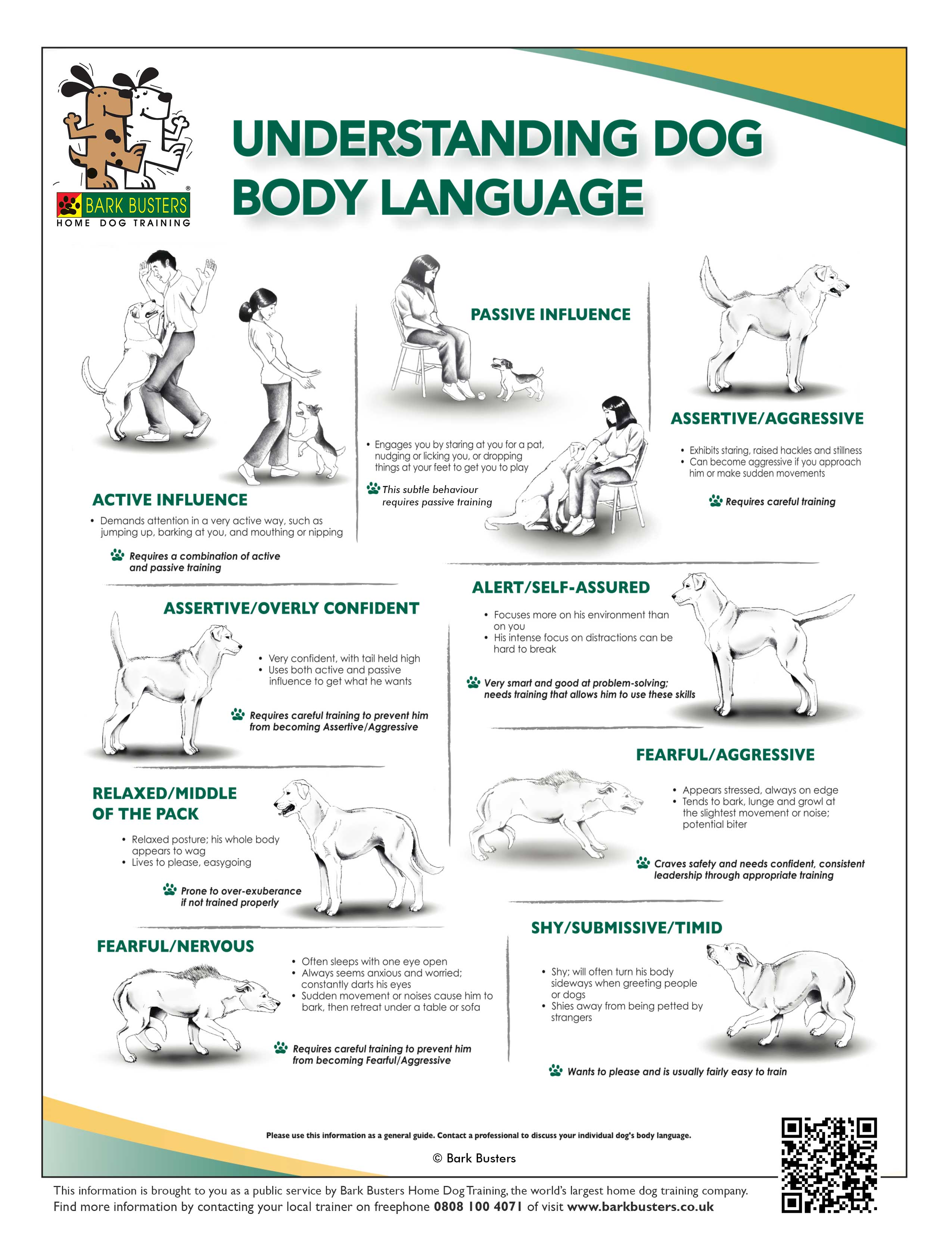
According to the American Society for Prevention of Cruelty to Animals (ASPCA), understanding subtle changes in canine body language remains one of the most effective methods for preventing misunderstandings between humans and companion animals. Canine communication relies heavily on postures, facial expressions, and vocalizations rather than spoken words. Because people often misinterpret relaxed behaviors as anxious ones or miss early warning signs of stress, translating complex ethological research into accessible formats is essential. A well-designed dog behavior infographic serves as an invaluable educational tool, distilling intricate behavioral science into clear, glanceable visual cues that help observers recognize emotional states instantly.
💡 Pet Care Key Takeaways:
- Core Focus: Practical health, nutrition, and wellness guidelines for Dog Behavior Infographic.
- Target Scope: Pet owners, animal caregivers, and veterinary support staff.
- Best Recommendation: Maintain consistent daily routines and consult an accredited veterinarian before introducing major diet or medical changes.
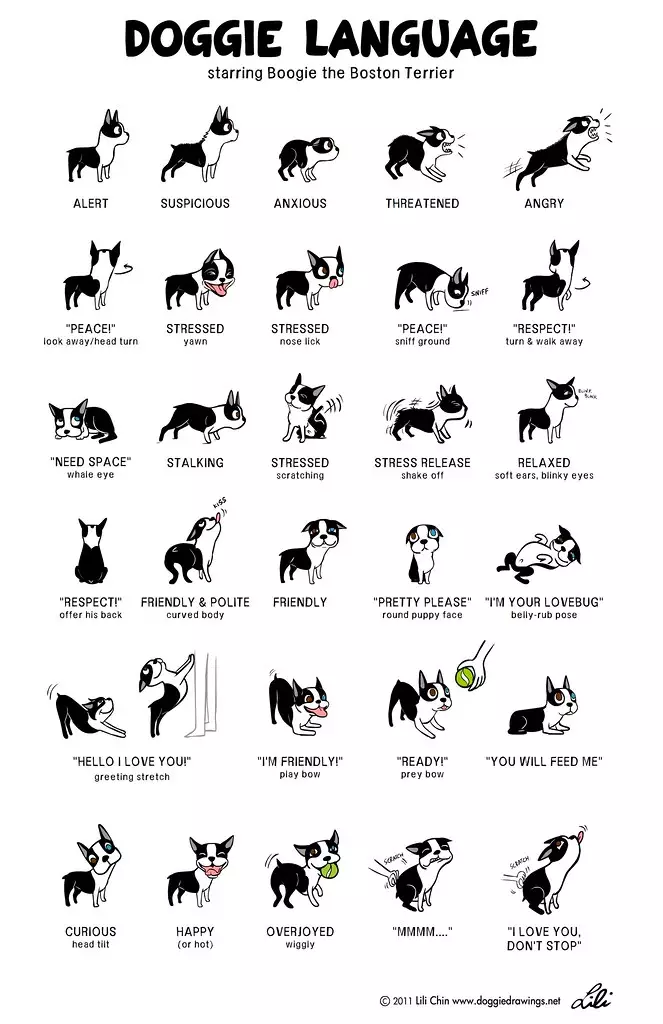
Visual learning aids bridge the gap between academic animal behavior literature and everyday household management. When people try to absorb lengthy training manuals, crucial details about ear placement, tail carriage, and whale-eye—a phenomenon where the white of the eye is prominently visible—often get lost. Visual summaries present these physical indicators side-by-side, allowing owners to compare a stressed posture with a neutral or relaxed stance quickly. This rapid information processing supports prompt, appropriate responses during daily interactions.
Defining the Dog Behavior Infographic and Its Core Elements
A dog behavior infographic is a structured graphic representation designed to illustrate canine emotional states, body language signals, and environmental responses through images and concise text. These educational graphics typically categorize behaviors into distinct emotional spectrums, such as relaxation, anxiety, fear, arousal, and potential aggression. By breaking down complex physiological responses into illustrated components, these materials empower observers to interpret what an animal communicates without requiring an advanced degree in animal science.
Key components usually include illustrations of specific anatomical regions, including ears, eyes, mouth, tail, and overall body tension. For instance, a graphic might demonstrate how loose, wiggly body movements indicate a friendly disposition, whereas a lowered body, tucked tail, and averted gaze signal appeasement or fear. Recognizing these nuances prevents accidental escalation during social interactions and helps maintain a safe environment for both the animals and the people around them.
The Behavioral and Emotional Impact of Visual Reference Tools
Utilizing visual reference materials directly influences how households manage canine stress, prevent incidents, and encourage positive welfare practices. When family members share a common understanding of canine signals, everyone can monitor environmental triggers that cause unease or excitement. For example, recognizing early displacement behaviors—such as yawning or lip-licking in non-fatigued contexts—allows handlers to remove dogs from overwhelming situations before defensive reactions occur. This proactive approach supports emotional regulation and builds stronger trust between animals and their human families.
Observing subtle displacement signals, such as lip-licking or turning away, helps prevent escalation by identifying early stress before defensive reactions emerge. — American Veterinary Medical Association
Furthermore, these resources improve public safety by educating communities on how to interact respectfully with unfamiliar animals. Children, in particular, benefit from simplified visual guides that teach them when an animal wants space. Understanding that a stiff, motionless posture and a closed mouth mean an animal prefers to be left alone drastically reduces the incidence of avoidable bite incidents in residential settings.
Integrating Visual Guides into Daily Routine and Training
Implementing these visual educational resources into daily routines involves placing printed charts in accessible household areas, such as near training equipment or entryways. Reviewing these guides regularly helps reinforce observation skills, transforming abstract concepts into second nature during walks, play sessions, and greeting rituals. When households align their responses with humane, science-based principles found in quality Dog Training materials, animals experience greater predictability and security.
Positive reinforcement methods pair exceptionally well with accurate behavioral observation. When a handler identifies an optimal learning state—indicated by soft eyes, a relaxed jaw, and a loose tail—that moment provides an ideal window for rewarding calm behavior. Conversely, recognizing fatigue or over-arousal ensures that training sessions remain short, productive, and stress-free, supporting overall mental well-being.
Best Practices, Common Misinterpretations, and Pitfalls to Avoid
Interpreting canine communication requires looking at the entire body rather than isolated signals, as a wagging tail does not always mean a friendly dog. A stiff, high-speed tail wag often indicates high arousal and potential reactivity, whereas a loose, sweeping wag involving the hips typically signals genuine friendliness. Avoiding oversimplified assumptions ensures that observers do not misread tense postures as welcoming gestures.
Another common pitfall involves ignoring contextual factors. An environmental change, unfamiliar sounds, or sudden movements can alter an animal’s emotional baseline instantly. Relying solely on a static chart without considering immediate environmental stressors can lead to miscalculations. Always evaluate the full picture, combining visual references from Dog Care resources with careful observation of the immediate surroundings.
A wagging tail indicates emotional arousal rather than guaranteed friendliness; context and body stiffness must be evaluated alongside tail movement. — American Kennel Club
Pet Care & Wellness Overview Table
| Life Stage | Daily Activity Level | Key Nutrition / Care Focus |
|---|---|---|
| Puppy / Kitten | High (frequent short bursts) | High-protein growth diet & early socialization |
| Adult Companion | Moderate (30–60 mins daily) | Balanced maintenance nutrition & dental hygiene |
| Senior Pets | Low to Gentle (mindful walks) | Joint support (Glucosamine) & routine vet checks |
Images References


Breed, Age, and Individual Temperament Considerations
While universal body language indicators apply across species, individual physical traits and unique personalities introduce important variations. Breeds with cropped ears, naturally folded ears, or heavy facial wrinkles may display fewer obvious changes in ear carriage or facial expression, requiring observers to pay closer attention to body tension and tail posture. Exploring specific Dog Breeds helps owners understand anatomical quirks that influence expression.
Age also shapes behavioral expression. Puppies exhibit fluctuating impulse control and high energy levels, while senior dogs may experience sensory declines or age-related cognitive changes that alter their communication style and reactivity. Tailoring observational strategies to an individual animal’s life stage, medical history, and temperament ensures accurate interpretation and compassionate management.
When to Consult a Veterinarian or Certified Behaviorist
Persistent behavioral changes, sudden reactivity, or profound fear responses warrant professional evaluation rather than reliance on standard visual guides. Physical discomfort, underlying pain, and neurological conditions frequently manifest as sudden shifts in temperament or increased defensive reactions. A comprehensive veterinary examination is essential to rule out medical contributors before addressing behavioral concerns.
For complex fear, anxiety, or aggression cases, partnering with a qualified, appropriately certified professional trainer or veterinary behaviorist ensures safe, humane intervention. Avoiding punitive or intimidation-based techniques is vital, as fear-based methods frequently exacerbate anxiety and increase public safety risks. Professional guidance aligns with modern Dog Health standards, prioritizing both mental wellness and physical safety.
Building a Harmonious Environment Through Education
Expanding knowledge regarding canine communication transforms ordinary households into supportive, empathetic environments where animals thrive. Utilizing reliable educational tools empowers caregivers to respond to subtle emotional cues with patience and consistency, fostering mutual trust that lasts a lifetime. Explore additional guidance across Dog Nutrition and other essential topics by visiting PetsAnimalsWorld.com to ensure comprehensive well-being for companion animals.




