

Understanding the Foundations of Canine Cognition and Development
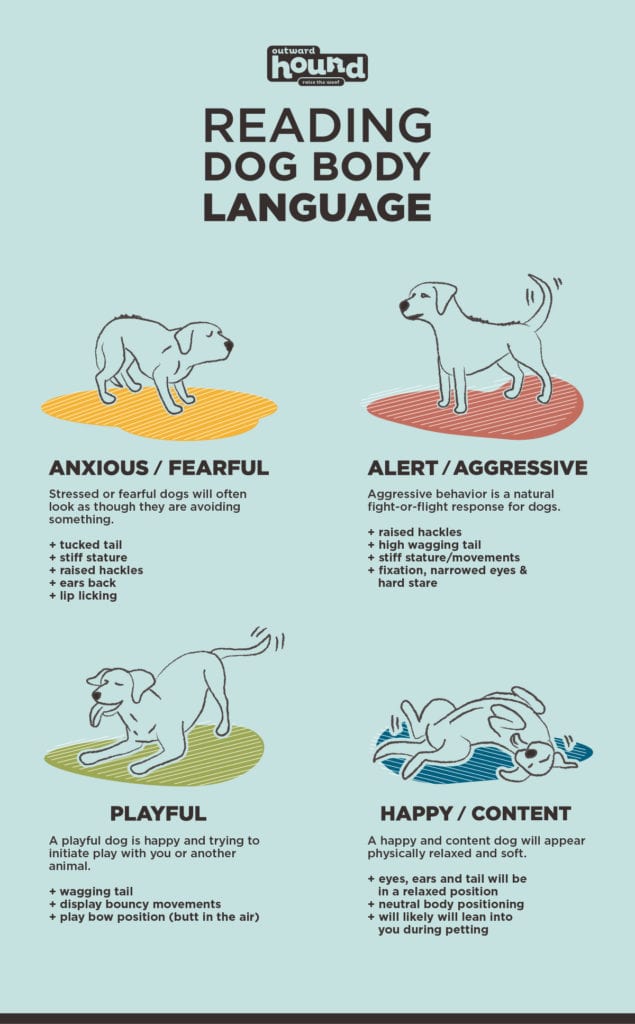
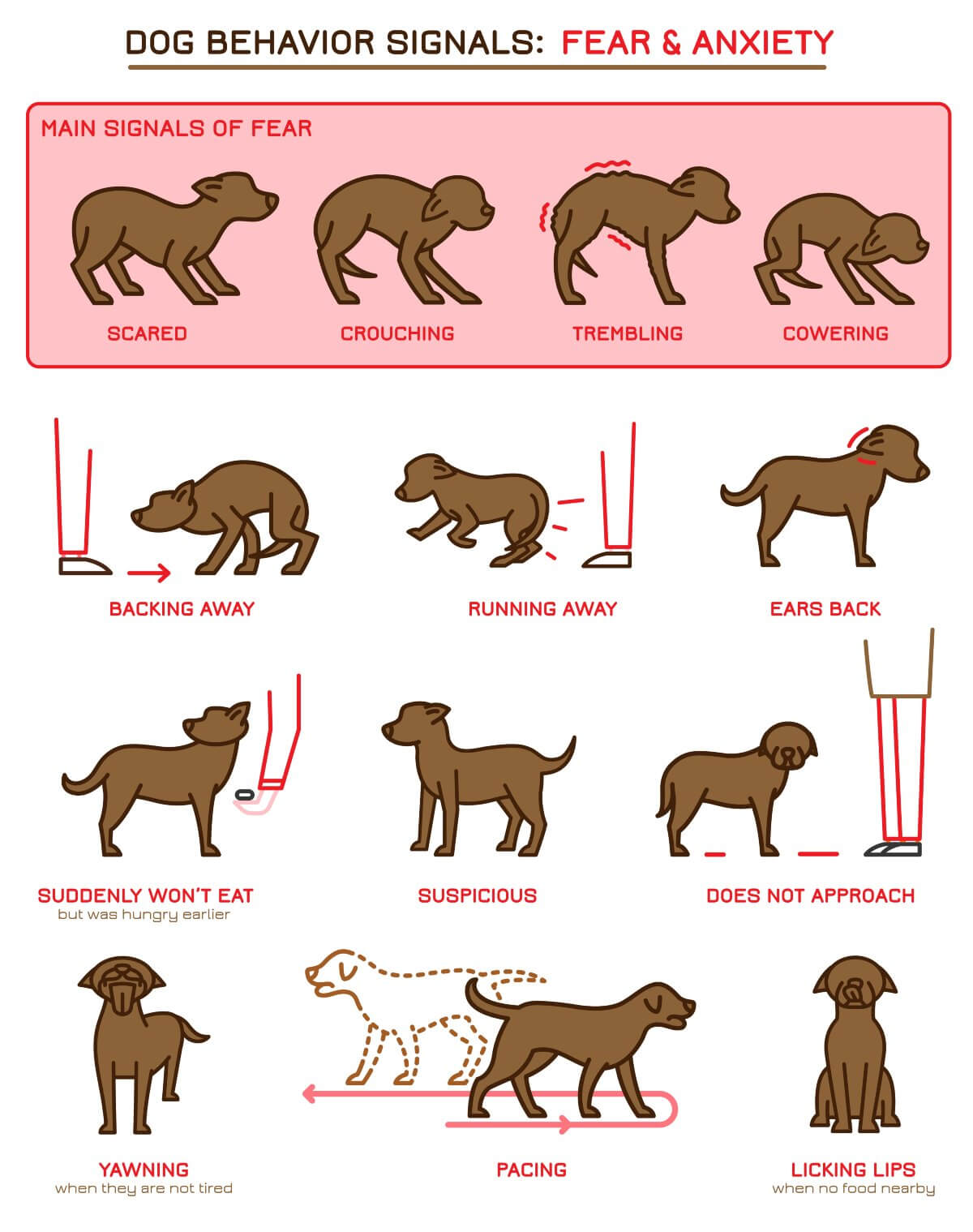
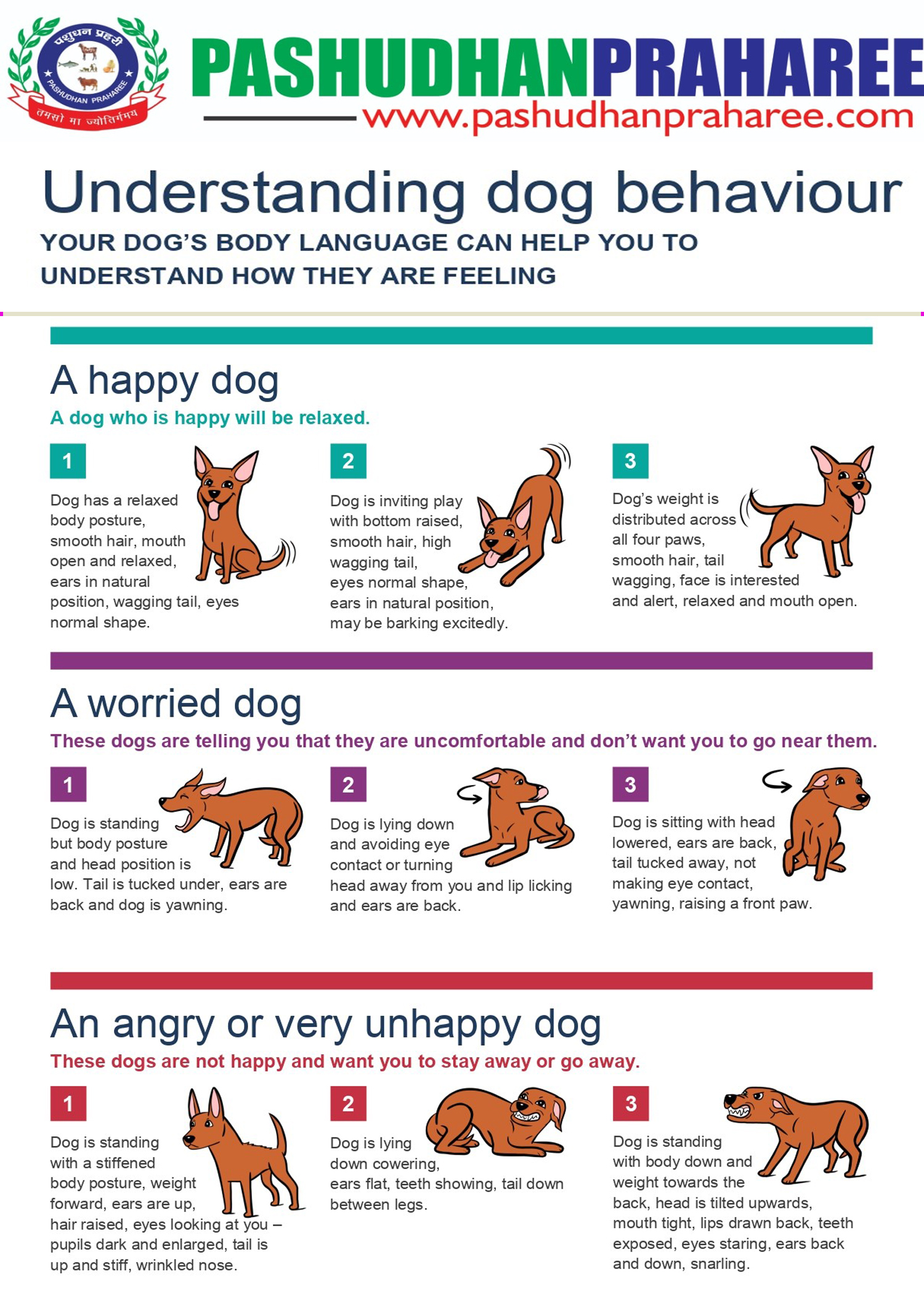
According to the American Veterinary Medical Association, understanding fundamental behavioral science is essential for nurturing a balanced, well-adjusted canine companion throughout every life stage. Dogs perceive and interact with the world through a combination of instinct, environmental feedback, and continuous association. Every interaction shared within a household teaches the resident canine something about how human society operates. Recognizing this ongoing educational process allows owners to shape positive habits and prevent misunderstandings before they turn into chronic issues. Building a harmonious relationship relies heavily on recognizing how dogs process information, communicate discomfort, and respond to cues from their surroundings. Explore more in our Dog Behavior collection.
💡 Pet Care Key Takeaways:
- Core Focus: Practical health, nutrition, and wellness guidelines for Dog Behavior Learning.
- Target Scope: Pet owners, animal caregivers, and veterinary support staff.
- Best Recommendation: Maintain consistent daily routines and consult an accredited veterinarian before introducing major diet or medical changes.
Defining the Principles of Dog Behavior Learning
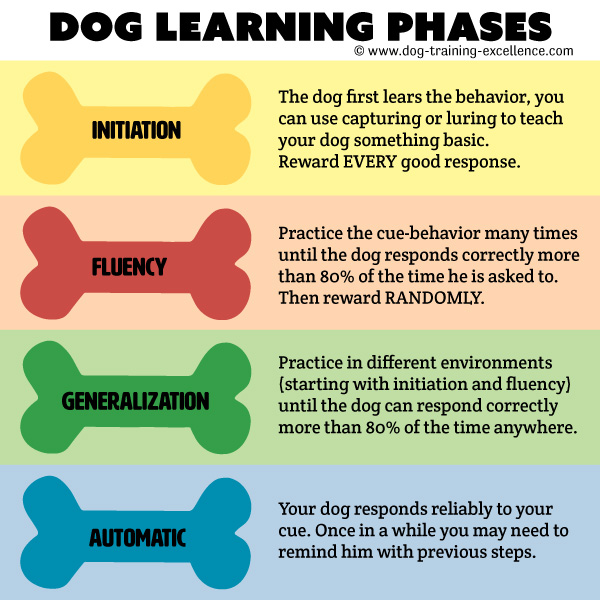
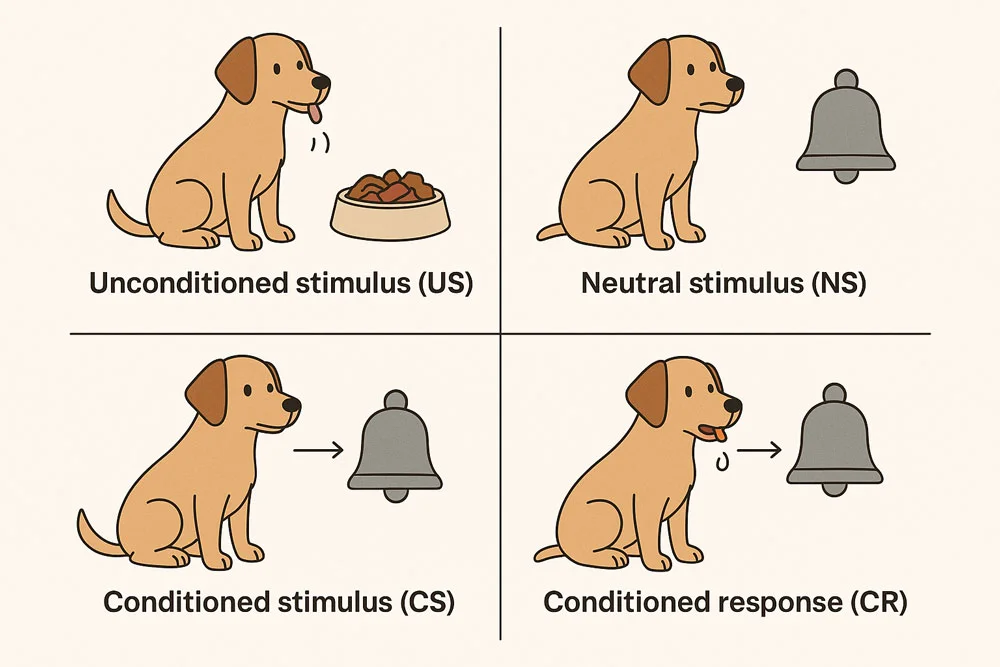
Dog behavior learning encompasses the scientific processes through which animals acquire, modify, and retain actions based on environmental consequences and past experiences. This psychological framework operates primarily through classical conditioning, where a neutral stimulus becomes associated with a meaningful event, and operant conditioning, where voluntary actions are shaped by their outcomes. Positive reinforcement, which involves offering a desirable reward immediately following a preferred action, stands as a cornerstone of humane educational methods. Conversely, punishment-based strategies often create confusion, fear, and unintended defensive responses. Proper educational frameworks focus on setting clear boundaries, rewarding desirable decisions consistently, and managing the environment to minimize opportunities for unwanted practices.
The Impact of Behavioral Education on Canine Well-Being
Structured behavioral education directly influences emotional stability, reduces daily stress, and promotes long-term mental health in domestic animals. When canines understand what is expected of them, frustration diminishes, leading to calmer household dynamics and stronger bonds with human family members. Furthermore, structured mental stimulation through interactive problem-solving helps prevent cognitive decline in older animals and curbs destructive tendencies driven by boredom. Clear communication provides a predictable environment, which serves as a protective factor against chronic anxiety and stress-related physical ailments. Mastering these foundational concepts supports safe socialization, effective Dog Training practices, and overall daily Dog Care.
Behavioral modification protocols grounded in positive reinforcement reliably reduce stress-related responses in domestic canines. — American Veterinary Society of Animal Behavior
Implementing Effective Strategies for Canine Skill Acquisition
Implementing effective educational routines requires consistency, patience, careful timing, and a thorough understanding of individual motivation levels. Sessions should remain short, engaging, and structured to prevent mental fatigue, ensuring the animal stays focused and eager to participate. Rewarding the target action within less than two seconds helps the animal connect the behavior directly to the positive outcome. Environmental management also plays a crucial role by removing temptations or hazards before an undesirable habit can be practiced. Tracking progress over time allows caregivers to adjust difficulty levels gradually, ensuring steady advancement without overwhelming the animal’s cognitive capacity.
Best Practices and Common Pitfalls in Canine Education
Avoiding common mistakes such as inconsistent cue phrasing, delayed rewards, and unrealistic expectations ensures smoother progress during educational exercises. Using different verbal cues for the same action or changing criteria unpredictably creates confusion and stalls learning. Another frequent pitfall is relying too heavily on verbal repetition when the animal may simply need a visual prompt or a quieter environment to succeed. Sessions should always conclude on a successful note, reinforcing a positive association with the learning process itself. Establishing predictable routines provides stability, helping the animal integrate new skills into daily life smoothly and reliably.
Proper socialization and positive reinforcement during early developmental windows significantly lower the incidence of fear-based behavioral concerns later in life. — American Society for the Prevention of Cruelty to Animals
Pet Care & Wellness Overview Table
| Life Stage | Daily Activity Level | Key Nutrition / Care Focus |
|---|---|---|
| Puppy / Kitten | High (frequent short bursts) | High-protein growth diet & early socialization |
| Adult Companion | Moderate (30–60 mins daily) | Balanced maintenance nutrition & dental hygiene |
| Senior Pets | Low to Gentle (mindful walks) | Joint support (Glucosamine) & routine vet checks |
Images References


Breed, Age, and Temperament Considerations in Canine Education
Individual differences rooted in genetics, developmental age, and innate temperament heavily influence how a dog processes and applies new information. Working and herding backgrounds often instill a strong drive for problem-solving and task execution, requiring high levels of physical and mental engagement. Conversely, companion or independent breeds may require different motivational strategies to maintain interest during structured skill-building exercises. Puppies possess high neuroplasticity, allowing rapid adaptation, while senior dogs may require slower pacing and accommodations for physical limitations such as joint stiffness or sensory decline. Recognizing these inherent traits ensures that educational approaches remain tailored to the unique profile of each individual animal.
When to Consult a Veterinarian or Professional Behaviorist
Persistent behavioral changes, sudden reactivity, or signs of intense fear warrant prompt evaluation by a qualified veterinary professional or certified behavior specialist. Medical discomfort, pain, and neurological conditions frequently manifest as sudden shifts in conduct, making a thorough veterinary examination the necessary first step before addressing psychological concerns. For complex issues involving severe aggression, deep-seated anxiety, or compulsive habits, seeking guidance from a board-certified veterinary behaviorist ensures a safe, evidence-based intervention plan. Protecting the emotional and physical safety of both human and canine family members remains the primary priority when managing difficult behavioral challenges.
Exploring Further Resources at PetsAnimalsWorld.com
Continuing education on canine topics empowers owners to provide optimal environments for their animal companions throughout every stage of life. Delving deeper into specialized subjects helps refine daily routines, address subtle behavioral shifts, and support overall wellness. Exploring additional educational content ensures caregivers remain informed about evolving standards in animal welfare and management. Discover more expert guides across various categories by visiting Dog Health, Dog Nutrition, and Dog Breeds, or return to the main hub at PetsAnimalsWorld.com.




