
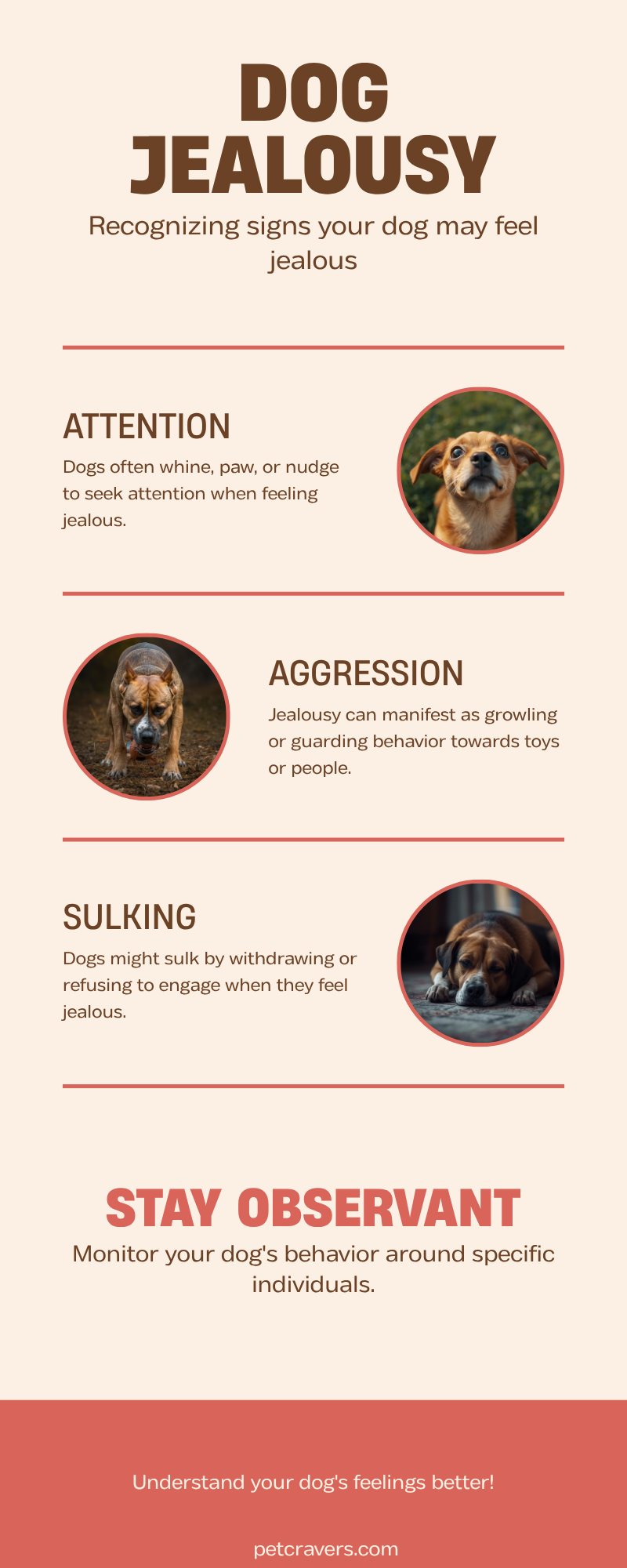
Understanding the Roots of Dog Jealous Behavior in Modern Households
According to the American Society for the Prevention of Cruelty to Animals (ASPCA), social animals frequently display behavioral responses when a bonded human or resource is perceived as threatened by the presence of a newcomer. This phenomenon, commonly labeled by pet owners as jealousy, often appears when a new human family member, another animal, or even an inanimate object like a phone commands attention. Recognizing why these reactions occur helps guardians respond with empathy rather than frustration. Emotional displays in domestic canines stem from a desire to maintain secure social bonds rather than spiteful human emotions.
💡 Pet Care Key Takeaways:
- Core Focus: Practical health, nutrition, and wellness guidelines for Dog Jealous Behavior.
- Target Scope: Pet owners, animal caregivers, and veterinary support staff.
- Best Recommendation: Maintain consistent daily routines and consult an accredited veterinarian before introducing major diet or medical changes.
Observing a companion animal nudge a hand away from another pet or insert a body between family members offers a clear window into canine social motivation. Dogs operate largely through resource guarding and attachment dynamics. When access to affection, food, or social interaction feels limited, stress hormones rise, triggering protective posturing. Understanding these foundational drivers allows owners to approach Dog Behavior with clarity and patience, ensuring household harmony without punishing natural instincts.
Defining Possessive Dynamics and Emotional Responses in Canines
Dog jealous behavior refers to a complex set of actions where an animal attempts to intercede between an owner and a perceived rival for attention or resources. Ethologists and behaviorists often classify these actions under competitive reactivity or resource guarding. Instead of experiencing complex human jealousy, dogs experience anticipatory anxiety regarding the potential loss of valuable social privileges. This response can manifest as subtle body language changes, such as stiffening, or more overt displays like whining, blocking, or gentle nudging.
Distinguishing between genuine aggression and competitive bids for attention remains crucial for proper management. A dog displaying possessive tendencies is typically communicating insecurity rather than dominance. When humans understand that the underlying emotion is fear of exclusion, the focus shifts naturally from suppressing the behavior to building confidence. Proper Dog Training utilizes positive reinforcement to teach alternative responses, replacing anxious displacement with calm tolerance.
Unmanaged competitive displays can escalate household stress, impacting the physical and mental well-being of every resident animal and human. Chronic activation of the fight-or-flight response elevates cortisol levels, which over time can compromise immune function and overall Dog Health. When multiple pets compete for the same human’s attention in an unpredictable environment, friction naturally increases. This ongoing tension risks accidental bites, escalated inter-dog conflict, and a general deterioration of household peace.
Behavioral studies indicate that domestic dogs frequently exhibit competitive behaviors, such as pushing between owners and other pets, when valued social attention is diverted. — American Society for the Prevention of Cruelty to Animals (ASPCA)
Beyond interpersonal friction, chronic competitive stress can lead to displacement habits, such as excessive licking, pacing, or destructive chewing. Addressing these patterns early prevents mild insecurity from hardening into entrenched reactive habits. Maintaining predictable routines helps reduce anticipatory anxiety, providing the emotional stability necessary for cooperative multi-pet living.
Evidence-Informed Strategies for Managing Possessive Reactions
Managing competitive tendencies effectively requires structured desensitization, counter-conditioning, and strict management of shared resources. Desensitization involves exposing the dog to the trigger at a low intensity that does not provoke an anxious reaction, while counter-conditioning pairs the presence of the rival or attention-diverting event with high-value rewards. Owners should reinforce calm, relaxed body language whenever attention is shared, teaching the animal that sharing space yields positive outcomes rather than deprivation.
Creating separate physical zones during high-risk times, such as feeding or greeting rituals, prevents rehearsal of unwanted habits. Providing individual enrichment and dedicated one-on-one time satisfies each animal’s need for security without fostering hyper-attachment. Consistency across all human household members ensures the animal receives clear, predictable guidance every day.
Best Practices and Common Pitfalls in Managing Canine Rivalry
Punishing a dog for displaying possessive reactions typically exacerbates the underlying anxiety by confirming that the rival indeed brings negative consequences. Shouting, physical corrections, or isolating the animal after an incident increases emotional distress and damages trust between the pet and the guardian. Instead, reward neutral or relaxed behavior and proactively manage environments to minimize triggers before tension arises.
Establishing predictable daily routines and structured multi-pet interactions significantly lowers anxiety levels and reduces resource guarding in domestic dogs. — American Kennel Club (AKC)
Pet Care & Wellness Overview Table
| Life Stage | Daily Activity Level | Key Nutrition / Care Focus |
|---|---|---|
| Puppy / Kitten | High (frequent short bursts) | High-protein growth diet & early socialization |
| Adult Companion | Moderate (30–60 mins daily) | Balanced maintenance nutrition & dental hygiene |
| Senior Pets | Low to Gentle (mindful walks) | Joint support (Glucosamine) & routine vet checks |
Images References
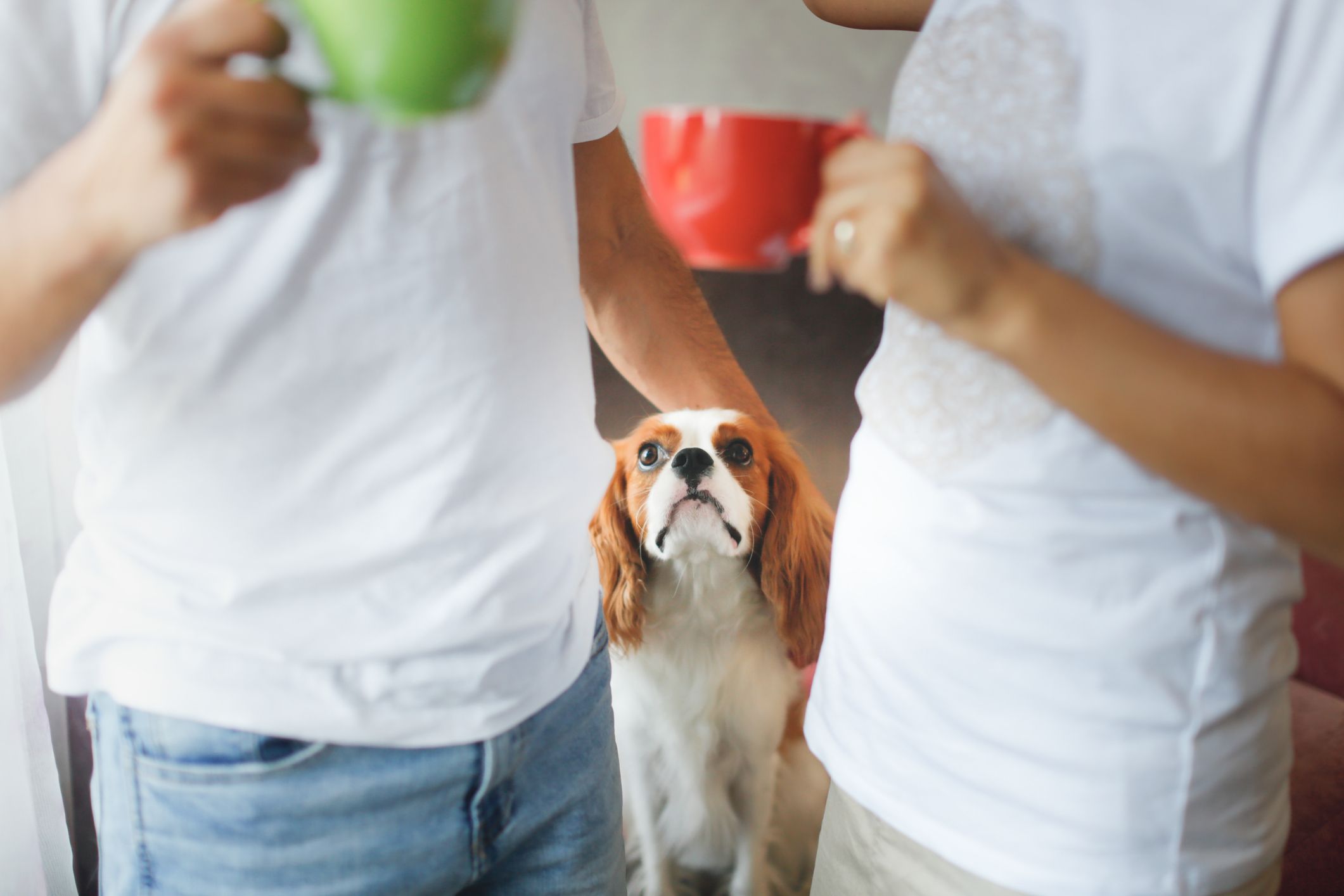

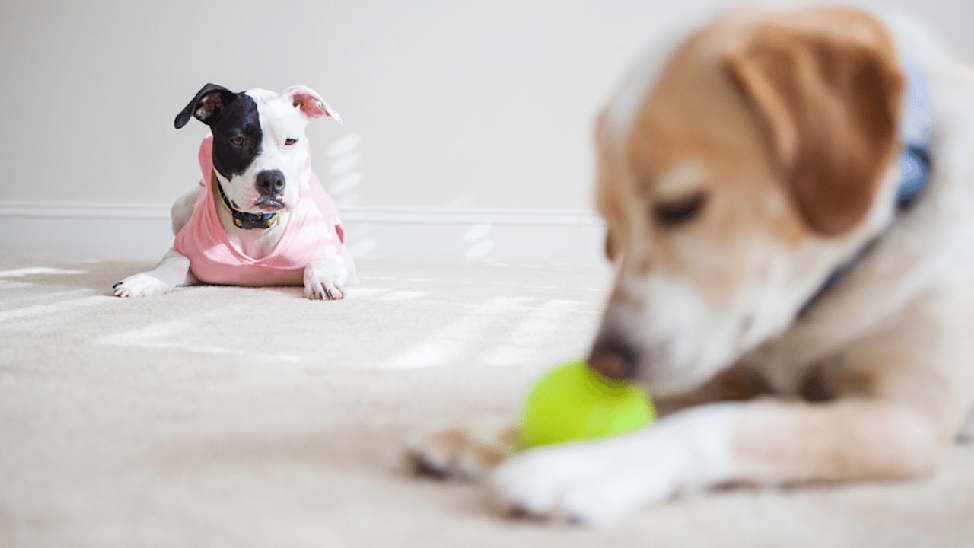


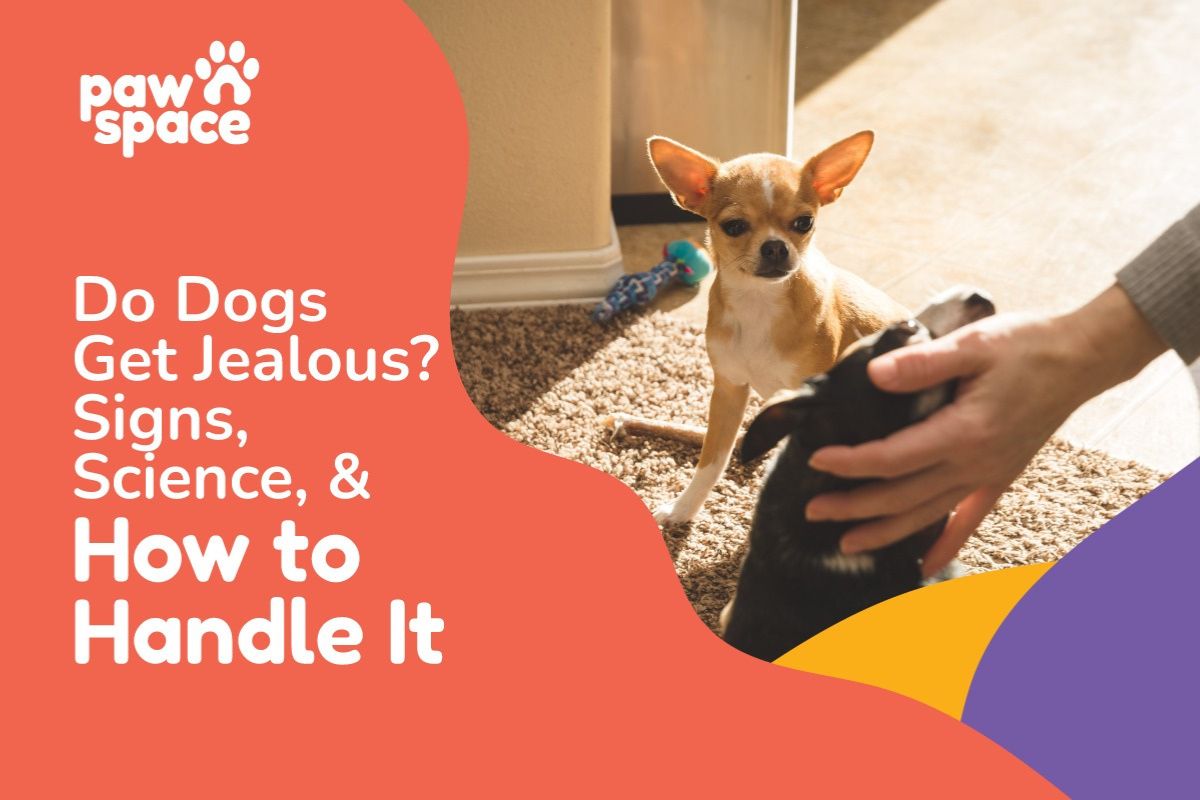


Another common pitfall involves unintentionally reinforcing demanding habits by giving attention whenever the animal whines or pushes in. Guardians should wait for a calm pause before offering affection, teaching the animal that patience and composure unlock desirable rewards. Integrating sound Dog Care principles ensures physical needs are fully met, reducing overall vulnerability to behavioral stress.
Evaluating Individual Differences Across Breeds, Ages, and Temperaments
Susceptibility to possessive dynamics varies widely based on individual temperament, socialization history, and genetic predisposition rather than fixed breed stereotypes. While certain working or herding lineages bred for intense human collaboration may display heightened attentiveness to owner movements, individual personality remains the primary factor. Exploring diverse Dog Breeds reveals that puppies and adolescent dogs undergoing developmental shifts may also show temporary increases in resource sensitivity.
Senior dogs experiencing sensory decline or cognitive changes may exhibit sudden intolerance toward other pets or changes in household attention dynamics. Recognizing these age-related shifts allows guardians to adjust expectations and provide gentle accommodations. Tailoring management strategies to the specific life stage and personality of the individual animal ensures a higher rate of long-term success.
Knowing When to Consult Veterinary Professionals and Behavior Specialists
Severe, escalating, or unpredictable reactive displays warrant immediate guidance from a qualified veterinary behaviorist or certified professional trainer. If competitive posturing escalates into biting, snapping, or sustained, intense distress, professional intervention becomes essential for safety. Sudden behavioral shifts can also indicate underlying medical discomfort, making a thorough veterinary examination the appropriate first step to rule out pain or neurological issues.
Qualified professionals utilize humane, evidence-informed methodologies to design customized behavior modification plans tailored to the household dynamic. Avoiding punitive trainers ensures that interventions prioritize emotional welfare alongside behavioral progress, protecting the human-animal bond for years to come.
Supporting Long-Term Harmony in Multi-Pet Households
Fostering a peaceful multi-pet environment requires ongoing dedication, environmental management, and empathetic observation. By understanding the emotional motivations driving competitive actions, guardians can build secure, confident companionships across the entire household. Explore additional resources on PetsAnimalsWorld.com to support every stage of your companion animal journey.


