Understanding the Concept of Miniature Husky Classification Levels
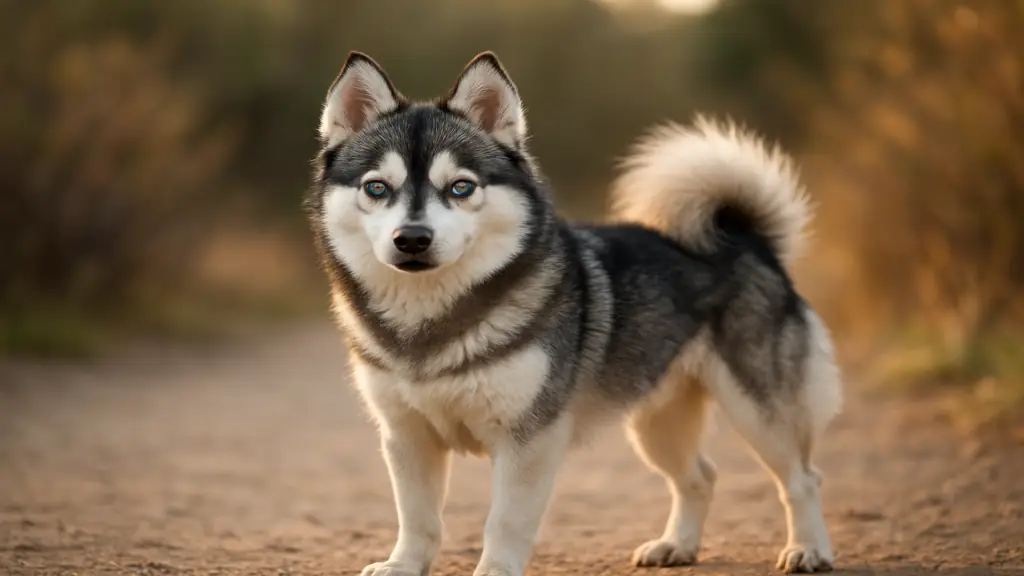
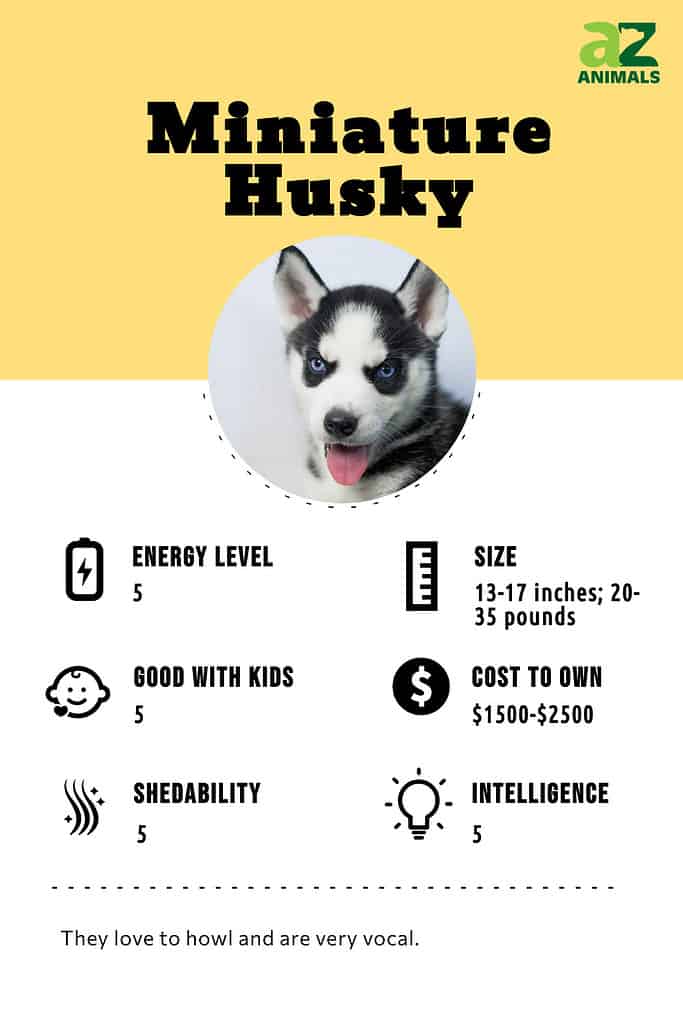
The search for a smaller version of the iconic Siberian Husky often leads prospective owners toward the term “miniature husky.” However, it is essential for dog enthusiasts to recognize that there is no formal breed standard or scientific “classification level” for a miniature husky recognized by major kennel clubs. According to the American Kennel Club (AKC), the Siberian Husky is a medium-sized working dog with a specific breed standard that does not include a miniature variety. When individuals encounter advertisements for “miniature” or “Alaskan Klee Kai” dogs marketed as miniature huskies, these labels often refer to informal size categorizations rather than official genetic classifications. Understanding these distinctions is vital for potential owners who wish to make informed decisions regarding their Dog Breeds selection, as the terminology used by breeders can be highly variable and lacks standardized regulatory oversight.
💡 Pet Care Key Takeaways:
- Core Focus: Practical health, nutrition, and wellness guidelines for Minniature Husky Classification Levels.
- Target Scope: Pet owners, animal caregivers, and veterinary support staff.
- Best Recommendation: Maintain consistent daily routines and consult an accredited veterinarian before introducing major diet or medical changes.
Decoding Informal Classification and Size Variations
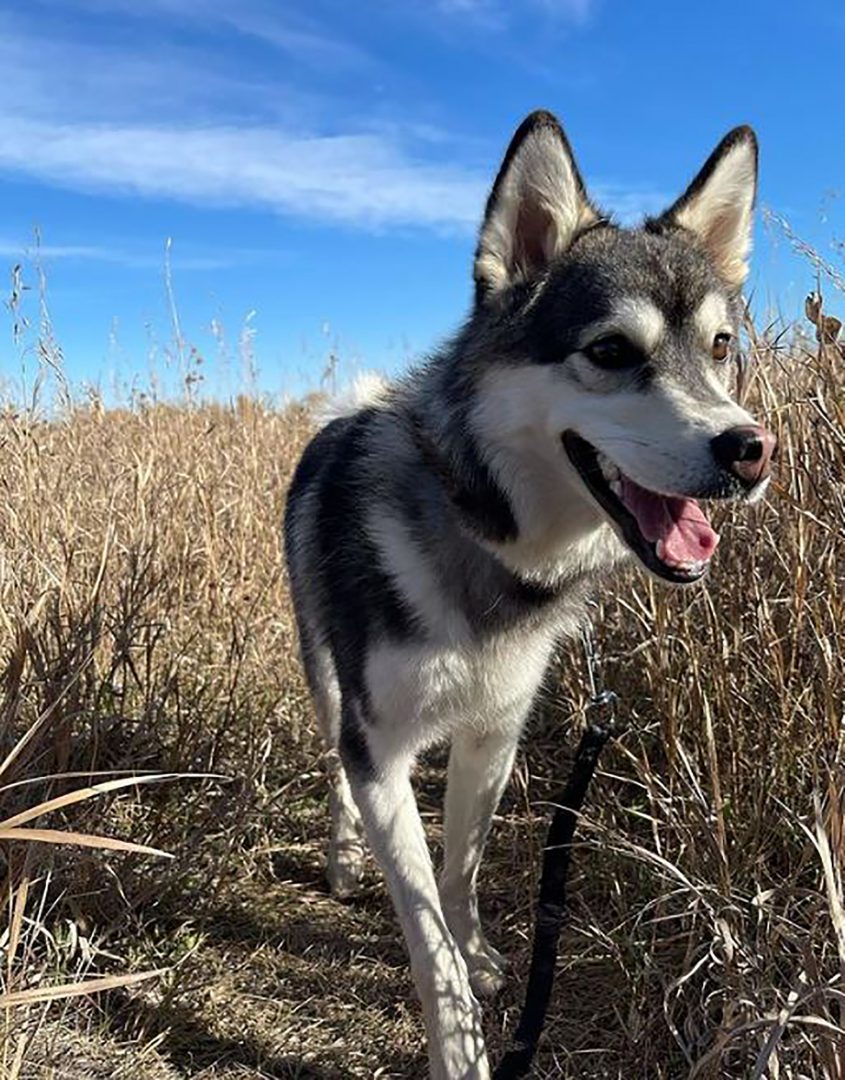
Miniature husky classification levels generally function as informal descriptors based on height and weight rather than distinct biological lineages. In the absence of a recognized breed standard for a miniature version of the Siberian Husky, breeders often categorize these dogs by weight tiers, such as “toy,” “miniature,” or “standard.” These classifications are typically arbitrary and determined by the specific breeding program, leading to a wide range of outcomes regarding size, physical structure, and temperament. It is important to distinguish these informal groupings from the Alaskan Klee Kai, which is a distinct, separate breed specifically developed to resemble a smaller husky. Because these size categories are not standardized, a dog labeled as a “miniature” by one breeder may be significantly larger or smaller than a dog with the same label from another source, creating uncertainty for those seeking a predictable size for their household.
Health and Behavioral Considerations for Smaller Husky-Type Dogs
The health and behavioral profile of a smaller dog bred to resemble a husky can be complex, often reflecting the genetic diversity of the parent breeds involved. When breeders focus on reducing size, they may inadvertently introduce health risks associated with the specific breeding practices used to achieve the smaller stature. Potential owners should be aware that dogs marketed as miniature huskies may inherit the high-energy, prey-driven, and vocal nature of the Siberian Husky, regardless of their size. These traits require consistent Dog Training to ensure the dog remains well-adjusted in a home environment. Because these dogs are not standardized, there is no universal health profile, making it critical to prioritize comprehensive veterinary screenings for inherited conditions common in spitz-type breeds, such as ocular disorders or hip dysplasia.
The American Kennel Club (AKC) defines the Siberian Husky as a medium-sized working dog, with males standing between 21 and 23.5 inches at the withers and weighing between 45 and 60 pounds. — American Kennel Club
Managing Expectations and Care Requirements
Effective care for a miniature husky-type dog hinges on recognizing that size does not equate to a reduced need for mental and physical stimulation. Even smaller dogs with husky ancestry typically possess high intelligence and an independent spirit that requires structured outlets. Owners should focus on providing enrichment activities that challenge the dog’s problem-solving abilities, as boredom often manifests in destructive behaviors or excessive vocalization. When considering the nutritional needs of these dogs, owners should consult with a veterinarian to establish a diet that supports an active metabolism while preventing obesity, which can be particularly detrimental to the joints of smaller, high-energy breeds. Engaging in regular, positive-reinforcement-based activities helps maintain the bond between the owner and the dog while ensuring the animal’s psychological needs are met.
Best Practices and Common Misconceptions
One common mistake is assuming that a smaller dog requires less exercise or training than its larger counterparts. On the contrary, many smaller spitz-type breeds possess high endurance levels and require significant daily activity to prevent the development of behavioral issues. Owners should avoid relying on size as a predictor of temperament; instead, they should evaluate the individual dog’s personality and energy level. It is also advisable to verify the health testing performed on the parent dogs, as responsible breeding practices are the most effective way to mitigate the risk of congenital health issues. Furthermore, prospective owners should be wary of breeders who market “miniature” huskies based on extreme, unverified claims, as these practices often prioritize aesthetics over the long-term well-being of the animal.
The Association of American Feed Control Officials (AAFCO) provides guidelines for dog food nutrient profiles, which are essential for supporting the health of dogs across all sizes and life stages. — Association of American Feed Control Officials
Pet Care & Wellness Overview Table
| Life Stage | Daily Activity Level | Key Nutrition / Care Focus |
|---|---|---|
| Puppy / Kitten | High (frequent short bursts) | High-protein growth diet & early socialization |
| Adult Companion | Moderate (30–60 mins daily) | Balanced maintenance nutrition & dental hygiene |
| Senior Pets | Low to Gentle (mindful walks) | Joint support (Glucosamine) & routine vet checks |
Images References



Breed, Temperament, and Lifestyle Compatibility
Compatibility between a husky-type dog and a household lifestyle depends largely on the owner’s ability to accommodate the breed’s natural instincts. These dogs are generally social, curious, and energetic, which makes them well-suited for active families but potentially challenging for those who prefer a more sedentary lifestyle. Regardless of the classification level, these dogs often have a strong desire to roam and may require secure containment to prevent escape attempts. Understanding the Dog Behavior associated with spitz-type ancestry—such as high prey drive and the tendency to dig—is essential for creating a safe and harmonious environment. When these traits are understood and channeled through appropriate activities, these dogs can be rewarding and loyal companions.
When to Seek Professional Guidance
Consulting a veterinarian or a certified professional trainer is necessary when an owner notices persistent behavioral challenges or concerns regarding the dog’s physical health. If a dog exhibits signs of extreme anxiety, aggression, or sudden changes in physical mobility, a professional assessment is the most responsible course of action. Do not attempt to diagnose or manage complex behavioral issues or physical ailments without professional input, as early intervention is key to effective management. A veterinary behaviorist or a trainer certified by a reputable organization can provide customized strategies that align with the specific needs of the dog, ensuring a higher quality of life and a safer home environment for everyone involved.
Closing Thoughts on Responsible Ownership
Navigating the world of dog ownership requires a commitment to lifelong learning and a focus on the individual needs of the pet. While the appeal of a miniature husky is understandable, prioritizing the health, temperament, and ethical sourcing of a dog is far more important than adhering to a specific size classification. For those seeking further information on providing the best possible care for their companions, PetsAnimalsWorld.com offers a wealth of resources covering Dog Care and Dog Nutrition. By focusing on evidence-based practices and professional guidance, owners can ensure their dogs lead happy, healthy, and fulfilling lives regardless of their size or breed classification.