

Understanding the Recovery Journey After Ovariohysterectomy
Navigating the recovery period following a routine female canine sterilization procedure is a vital responsibility for pet guardians. According to the American Veterinary Medical Association, surgical sterilization procedures require structured postoperative management to ensure safe healing and minimize the risk of secondary complications. Because the operation involves abdominal surgery and the removal of internal reproductive organs, proper physiological support is necessary during the initial days at home. Providing attentive management helps reduce unnecessary stress on surgical incisions and supports overall physical well-being.
💡 Pet Care Key Takeaways:
- Core Focus: Practical health, nutrition, and wellness guidelines for Dog Care After Spay.
- Target Scope: Pet owners, animal caregivers, and veterinary support staff.
- Best Recommendation: Maintain consistent daily routines and consult an accredited veterinarian before introducing major diet or medical changes.
Defining the Postoperative Healing Process
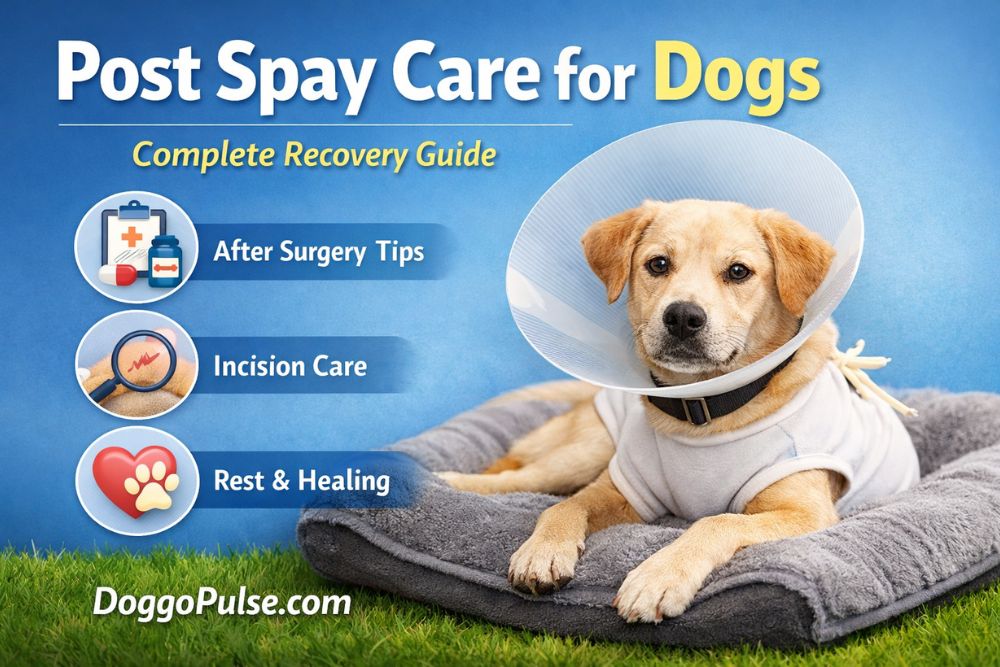
Comprehensive dog care after spay centers around monitoring surgical site integrity and managing physical activity during the internal healing phase. An ovariohysterectomy is a surgical procedure where a veterinarian removes the ovaries and usually the uterus under general anesthesia. While skin incisions heal visibly within a week or two, deeper fascial tissues require several weeks to regain full tensile strength. Protective measures like Elizabethan collars and strict confinement are essential to prevent premature physical strain on these healing internal structures.
Managing Physical Rest and Controlled Movement
Strict restriction of physical activity is the single most critical component of successful postoperative recovery. Running, jumping, rough play, and free roaming must be strictly prohibited to prevent suture dehiscence, which is the premature opening or tearing of a surgical wound. Short, leash-controlled bathroom breaks should replace free roaming in the yard until the veterinary surgeon confirms that the incision has healed sufficiently. For a detailed exploration of overall wellness strategies, visit Dog Health to learn more about maintaining canine vitality.
Postoperative activity restriction is essential to prevent internal and external surgical site complications following an ovariohysterectomy. — American Veterinary Medical Association
Implementing Effective Monitoring and Comfort Strategies
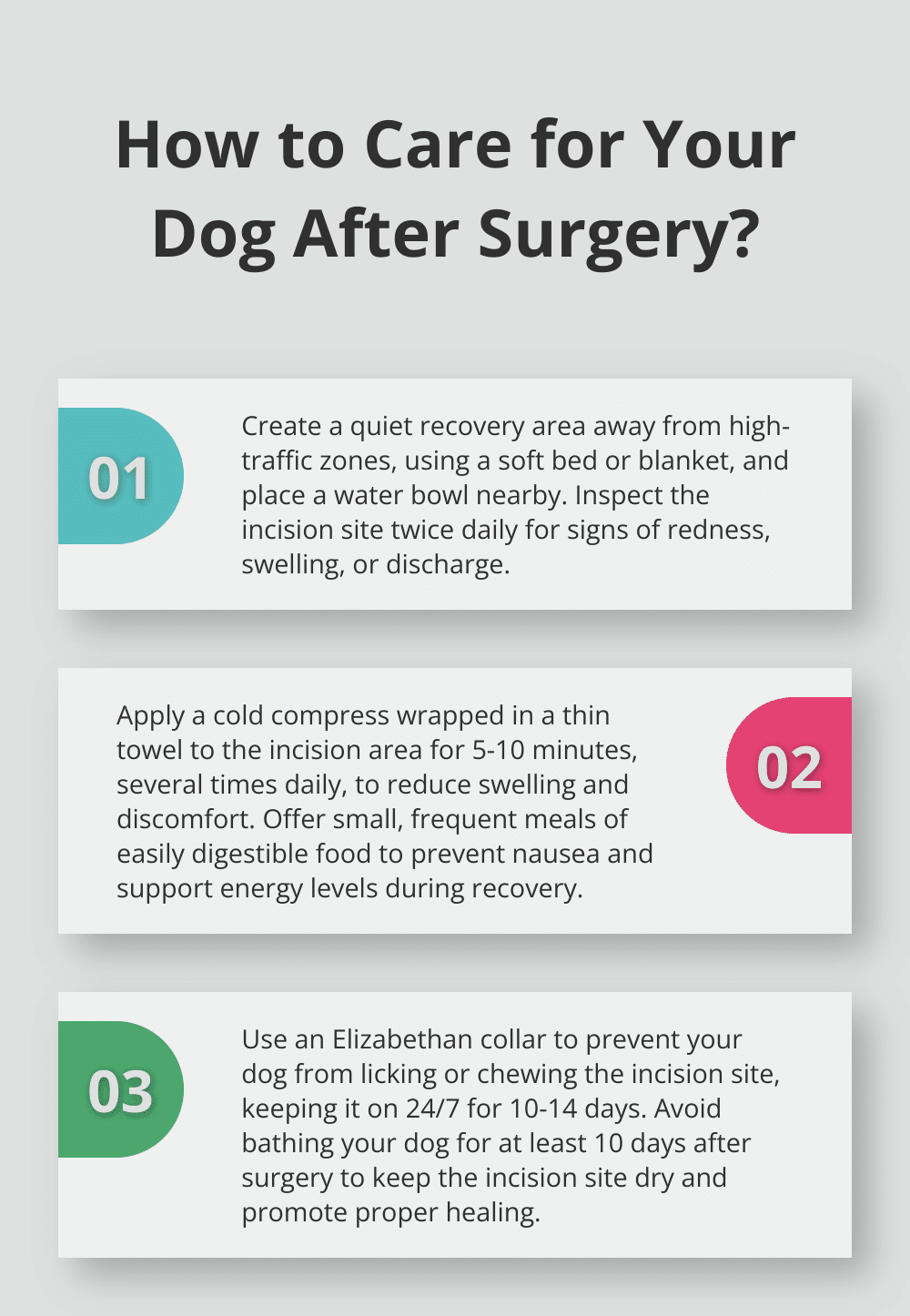
Daily visual inspections of the incision site allow guardians to catch early signs of abnormal inflammation, swelling, or discharge. Dogs should remain indoors in a quiet, temperature-controlled environment away from high-traffic household areas where they might be startled or tempted to leap onto furniture. Pain management protocols prescribed by the attending clinician must be followed precisely, ensuring that only approved veterinary analgesics are administered. For comprehensive advice on everyday physical upkeep, consult the resources available at Dog Care.
Best Practices and Common Pitfalls to Avoid
Preventing the canine patient from licking, chewing, or scratching at the incision is paramount, making barrier devices such as recovery suits or traditional cones non-negotiable tools. One frequent mistake involves removing protective collars prematurely simply because the wound appears dry on the surface; internal tissues remain vulnerable long after skin edges seal. Additionally, bathing must be postponed until the veterinarian grants explicit clearance, as moisture can compromise the healing skin barrier and introduce pathogens.
Effective barrier use prevents self-trauma to surgical wounds and significantly reduces the incidence of secondary bacterial infections. — American Animal Hospital Association
Pet Care & Wellness Overview Table
| Life Stage | Daily Activity Level | Key Nutrition / Care Focus |
|---|---|---|
| Puppy / Kitten | High (frequent short bursts) | High-protein growth diet & early socialization |
| Adult Companion | Moderate (30–60 mins daily) | Balanced maintenance nutrition & dental hygiene |
| Senior Pets | Low to Gentle (mindful walks) | Joint support (Glucosamine) & routine vet checks |
Images References





Tailoring Recovery to Individual Characteristics
Age, body size, and individual temperament heavily influence how a canine patient experiences the postoperative recovery window. Younger, highly energetic dogs often exhibit high activity levels long before internal healing is complete, requiring extra mental enrichment and confinement strategies to keep them calm. Conversely, senior dogs or individuals with underlying medical conditions may require prolonged monitoring and customized pain management protocols established in close consultation with veterinary professionals. For insights tailored to specific physiological traits, explore Dog Breeds to understand how physical makeup affects recovery.
When to Seek Professional Veterinary Evaluation
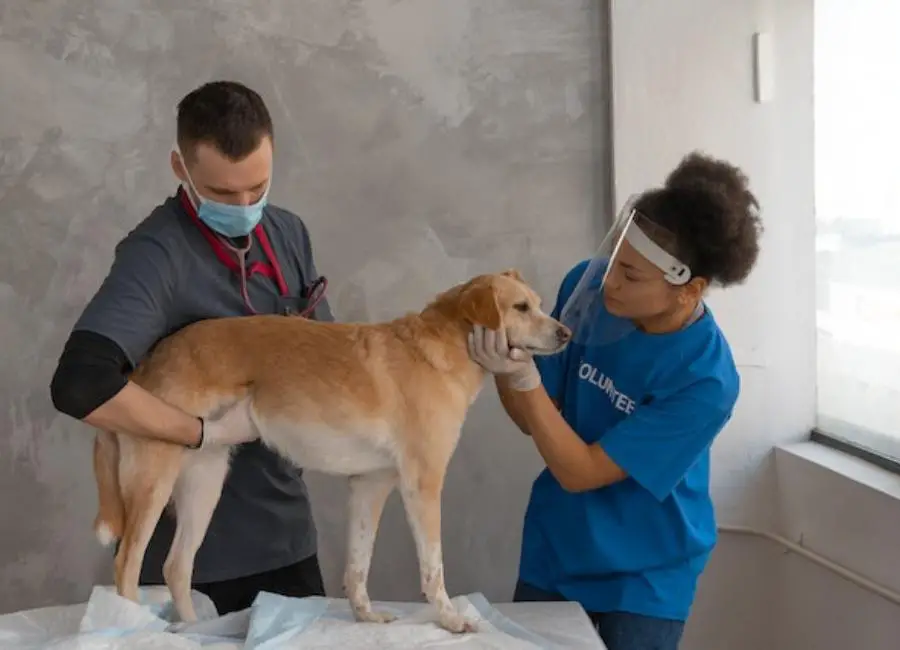
Immediate veterinary consultation is warranted if persistent lethargy, profound loss of appetite, persistent vomiting, or visible swelling and discharge develop around the surgical site. Guardian vigilance remains the primary defense against unexpected complications such as internal bleeding or localized infection. In the event of sudden distress, acute pain, or suspected adverse reactions to prescribed medications, contacting the treating veterinary clinic or an emergency animal hospital without delay ensures prompt, professional intervention.
Ensuring Long-Term Health and Well-Being
Supporting a smooth recovery lays a strong foundation for a long, healthy life filled with safe activity and joyful companionship. By combining diligent observation with strict adherence to veterinary discharge instructions, pet owners actively contribute to positive clinical outcomes. Discover more expert resources, guidance, and educational materials by visiting PetsAnimalsWorld.com today.


