

Post-operative recovery represents a critical phase that demands careful attention, patience, and structured support from caregivers. According to the American Veterinary Medical Association, proactive owner involvement during the healing process significantly reduces the risk of post-surgical complications. When a canine companion returns home from a veterinary hospital, the immediate environment must change to accommodate healing tissues, restricted mobility, and altered physical comfort levels. Understanding the fundamental principles of canine recovery helps ensure a smooth transition from the clinic back to everyday domestic life.
💡 Pet Care Key Takeaways:
- Core Focus: Practical health, nutrition, and wellness guidelines for Dog Care After Surgery.
- Target Scope: Pet owners, animal caregivers, and veterinary support staff.
- Best Recommendation: Maintain consistent daily routines and consult an accredited veterinarian before introducing major diet or medical changes.
Defining Comprehensive Post-Operative Management
Dog care after surgery encompasses all medical, environmental, and emotional adjustments required to support a recovering animal through wound healing and tissue regeneration. This specialized form of animal husbandry involves strict adherence to prescribed medication schedules, diligent monitoring of surgical incisions, and the enforcement of mandatory physical rest. Canine physiology undergoes significant stress during surgical procedures, meaning that internal healing often continues long after surface skin incisions appear closed. Caregivers must view recovery not merely as waiting for time to pass, but as an active, attentive phase of veterinary-informed supervision. For more related activities, check out our Dog Care Bear Costume.
Managing Environmental and Physiological Impacts
Physical restrictions and environmental modifications are essential to prevent accidental injury, suture dehiscence, which is the splitting open or premature rupture of a surgical wound, and excessive stress. Confining a recovering animal to a quiet, low-traffic room or a properly sized crate minimizes impulsive jumping, running, or stair-climbing that could strain internal repairs. Canine behavior often shifts during this period; some individuals become restless and anxious due to confinement, while others remain lethargic from residual anesthesia or pain management protocols. Establishing a calm, predictable daily routine helps alleviate anxiety and supports physiological stability.
Proper environmental management, such as utilizing baby gates to restrict access to stairs, is a primary recommendation from veterinary professionals for preventing post-surgical incision trauma. — American Veterinary Medical Association
Implementing Structured Recovery Protocols
Successful recovery management relies on consistency, precise observation, and strict compliance with veterinary instructions. Caregivers must administer prescribed analgesics, which are medications specifically designed to relieve pain, exactly as directed without altering doses or frequencies based on perceived comfort alone. Monitoring vital signs, observing appetite changes, and checking incision sites twice daily for signs of swelling, discharge, or redness form the backbone of responsible post-operative management. Keeping a detailed daily log of medication times, bathroom breaks, and food consumption ensures that any subtle deviations in recovery progress are caught early.
Best Practices and Common Pitfalls to Avoid
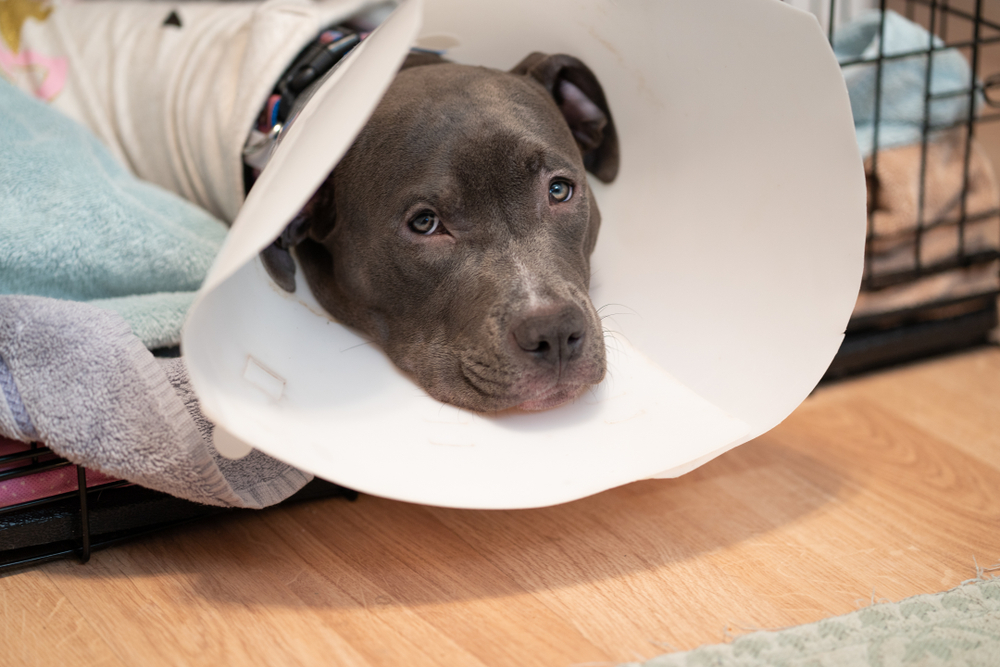
Preventing complications requires vigilance against well-intentioned mistakes, such as permitting premature physical freedom or removing protective barriers like Elizabethan collars prematurely. A common pitfall involves assuming that a dog displaying high energy levels is fully healed and ready for normal exercise routines, ignoring the reality that internal tissues require weeks to regain tensile strength. Caregivers should consistently utilize physical barriers, maintain short leash walks strictly for elimination purposes, and prevent licking or chewing at sutures by ensuring protective collars remain securely fitted at all times.
Premature cessation of prescribed pain medication can elevate stress hormones in recovering canines, potentially delaying the overall tissue repair process. — American Animal Hospital Association
Pet Care & Wellness Overview Table
| Life Stage | Daily Activity Level | Key Nutrition / Care Focus |
|---|---|---|
| Puppy / Kitten | High (frequent short bursts) | High-protein growth diet & early socialization |
| Adult Companion | Moderate (30–60 mins daily) | Balanced maintenance nutrition & dental hygiene |
| Senior Pets | Low to Gentle (mindful walks) | Joint support (Glucosamine) & routine vet checks |
Images References


Breed, Age, and Temperament Considerations
Individual characteristics such as breed predisposition, life stage, and baseline temperament heavily influence post-operative care strategies and recovery timelines. High-energy working breeds and young puppies often struggle significantly with strict confinement, requiring innovative mental stimulation, such as puzzle toys or gentle obedience practice, to prevent destructive boredom. Conversely, senior dogs or brachycephalic breeds, which possess shortened facial structures and narrowed airways, require extra monitoring regarding respiratory function and anesthesia clearance. Tailoring the recovery environment to match the specific physical and psychological profile of the individual animal ensures a safer and more comfortable healing process.
When to Consult a Veterinary Professional
Prompt communication with a veterinary team is vital if unexpected symptoms, complications, or behavioral distress arise during the recovery window. Immediate veterinary evaluation is necessary if the animal exhibits signs of severe pain, persistent vomiting, reluctance to drink water for an extended period, labored breathing, or significant bleeding and foul-smelling discharge from the incision site. Caregivers must never attempt to administer human medications, home remedies, or unprescribed substances to manage discomfort, as many common household items are toxic to dogs. Trusting professional veterinary guidance remains the safest approach throughout every stage of the healing journey.
Supporting Long-Term Wellness and Health
Transitioning a dog back to normal life after a surgical procedure requires a careful, gradual reintegration of regular activities, dietary schedules, and socialization opportunities. Caregivers can explore comprehensive educational resources on Dog Health and practical guidance on Dog Care to support ongoing wellness. Maintaining open communication with veterinary professionals ensures that post-operative milestones are met safely. Visit PetsAnimalsWorld.com for more expert insights dedicated to responsible pet guardianship.


