Understanding the Role of a Dedicated Dog Care Giver
The commitment to canine welfare extends far beyond providing basic necessities like food and shelter. A dog care giver assumes the comprehensive responsibility of managing an animal’s physical health, mental stimulation, and emotional well-being throughout its entire lifespan. According to the American Veterinary Medical Association (AVMA), responsible pet ownership involves a lifelong commitment to providing for the animal’s needs, including preventive health care, social interaction, and consistent training. Understanding the nuances of this role is essential for ensuring that a domestic dog thrives in a human-centric environment, as the quality of care directly correlates with the longevity and happiness of the companion animal.
💡 Pet Care Key Takeaways:
- Core Focus: Practical health, nutrition, and wellness guidelines for Dog Care Giver.
- Target Scope: Pet owners, animal caregivers, and veterinary support staff.
- Best Recommendation: Maintain consistent daily routines and consult an accredited veterinarian before introducing major diet or medical changes.
Defining the Scope of a Dog Care Giver
A dog care giver is an individual or professional tasked with the daily oversight and long-term management of a canine’s quality of life. This role encompasses a multifaceted approach to dog care, requiring a balance of biological understanding and behavioral awareness. It is not merely about maintenance; it involves active engagement, such as monitoring changes in appetite, observing activity levels, and ensuring the environment remains safe and enriching. Whether one is a primary owner or a hired professional, the core objective remains the same: to mitigate risks, provide appropriate nutrition, and foster a stable, predictable routine that aligns with the dog’s natural instincts and individual temperament.
The Impact of Consistent Care on Canine Well-being
Consistent, informed care serves as the foundation for both physical health and psychological stability in dogs. When a care giver maintains a structured environment, anxiety levels often decrease, as dogs generally find comfort in predictability regarding feeding times, exercise, and social interaction. Conversely, inconsistent care can lead to behavioral issues, such as resource guarding or separation anxiety, which often stem from a lack of clear expectations. Furthermore, proactive attention to health—such as routine dental hygiene and weight management—prevents the development of chronic conditions that are significantly more difficult and costly to manage once they become advanced. Proper care is an investment in the animal’s future, reducing the likelihood of emergency interventions.
Routine veterinary examinations are essential for the early detection of underlying health conditions that may not be immediately apparent to a pet owner. — American Veterinary Medical Association (AVMA)
Managing Daily Requirements and Behavioral Health
Effective management of a dog requires a synthesis of dog nutrition, exercise, and humane training techniques. A responsible care giver prioritizes positive reinforcement, which focuses on rewarding desired behaviors rather than punishing unwanted ones. This approach builds a bond of trust and facilitates better communication between the human and the animal. When managing energy levels, it is vital to match the intensity and duration of activity to the dog’s age, breed, and health status. For instance, high-energy breeds may require complex mental puzzles in addition to physical exercise to prevent boredom-induced destruction. Always ensure that the environment is free of toxic substances, such as specific household cleaners, certain human foods like chocolate or grapes, and toxic plants, which can cause severe illness if ingested.
Best Practices and Common Pitfalls
The most effective care givers avoid the trap of anthropomorphism, which involves attributing human emotions or motives to canine actions. Instead, they observe behavior through an objective, evidence-based lens. A common mistake is the failure to adjust care as a dog ages; a senior dog’s needs for joint support, specialized diet, and reduced impact exercise differ drastically from those of an adolescent dog. Additionally, neglecting social needs or failing to introduce the animal to new environments gradually can lead to fear-based reactions. Maintaining a regular log of vaccinations, parasite prevention, and behavioral changes can provide a valuable resource for veterinary professionals during annual visits.
Positive reinforcement training, which utilizes rewards for desired behaviors, is widely regarded as the most humane and effective method for teaching dogs. — American Kennel Club (AKC)
Pet Care & Wellness Overview Table
| Life Stage | Daily Activity Level | Key Nutrition / Care Focus |
|---|---|---|
| Puppy / Kitten | High (frequent short bursts) | High-protein growth diet & early socialization |
| Adult Companion | Moderate (30–60 mins daily) | Balanced maintenance nutrition & dental hygiene |
| Senior Pets | Low to Gentle (mindful walks) | Joint support (Glucosamine) & routine vet checks |
Images References


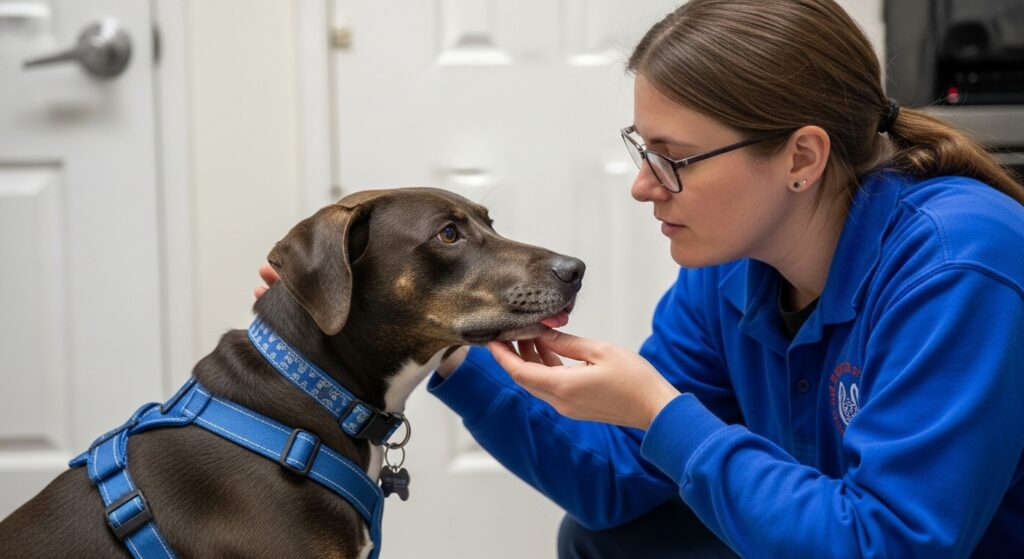


Considering Breed, Age, and Temperament
Every dog is an individual, and a successful care giver tailors their approach to the unique characteristics of the specific animal. Researching dog breeds provides a baseline understanding of potential predispositions, such as higher exercise needs in working breeds or specific grooming requirements in long-haired breeds. However, these are generalities; individual temperament, medical history, and past life experiences carry more weight in determining daily needs. A fearful or reactive dog, for example, will require a much slower, more controlled approach to socialization than a highly confident, gregarious animal. Recognizing these individual differences prevents the “one-size-fits-all” approach that often leads to stress or behavioral decline.
Recognizing When to Seek Professional Assistance
While a care giver can manage many aspects of daily life, there are clear indicators that signal the need for professional intervention. If a dog displays sudden changes in behavior, such as unexplained aggression, extreme lethargy, or persistent house-soiling, a veterinary examination is necessary to rule out underlying medical issues. Similarly, if a dog exhibits signs of distress that do not improve with basic training, consulting a certified professional trainer or a veterinary behaviorist is the appropriate step. For urgent concerns—such as difficulty breathing, suspected ingestion of toxins, seizures, or severe injury—immediate emergency veterinary care is required. Never attempt to treat these conditions with home remedies, as delays can lead to irreversible damage.
Conclusion and Further Resources
Being a dedicated dog care giver is a rewarding journey that requires patience, education, and a commitment to the animal’s welfare. By staying informed on best practices in dog health and behavior, owners can ensure their companions lead full, comfortable lives. For more in-depth guidance on various aspects of canine life, continue exploring the educational resources available at PetsAnimalsWorld.com. Whether looking for information on nutrition, training, or breed-specific care, staying proactive is the hallmark of an excellent care giver. Remember that every small adjustment in care, when based on sound evidence, contributes to a healthier future for the dog.