

Planning extended travel requires careful thought regarding canine companions, making a designated dog care hotel an increasingly popular option for pet guardians seeking specialized lodging. According to the American Kennel Club (AKC), responsible preparation for boarding helps minimize stress and ensures a safe environment for animals during temporary absences. Modern canine facilities have evolved far beyond traditional sterile boarding kennels, aiming to provide enriched environments that mimic aspects of a domestic routine. Selecting the appropriate facility involves evaluating physical safety, staff qualifications, and daily activity structures to match individual canine needs.
💡 Pet Care Key Takeaways:
- Core Focus: Practical health, nutrition, and wellness guidelines for Dog Care Hotel.
- Target Scope: Pet owners, animal caregivers, and veterinary support staff.
- Best Recommendation: Maintain consistent daily routines and consult an accredited veterinarian before introducing major diet or medical changes.
Defining Modern Canine Lodging and Luxury Boarding
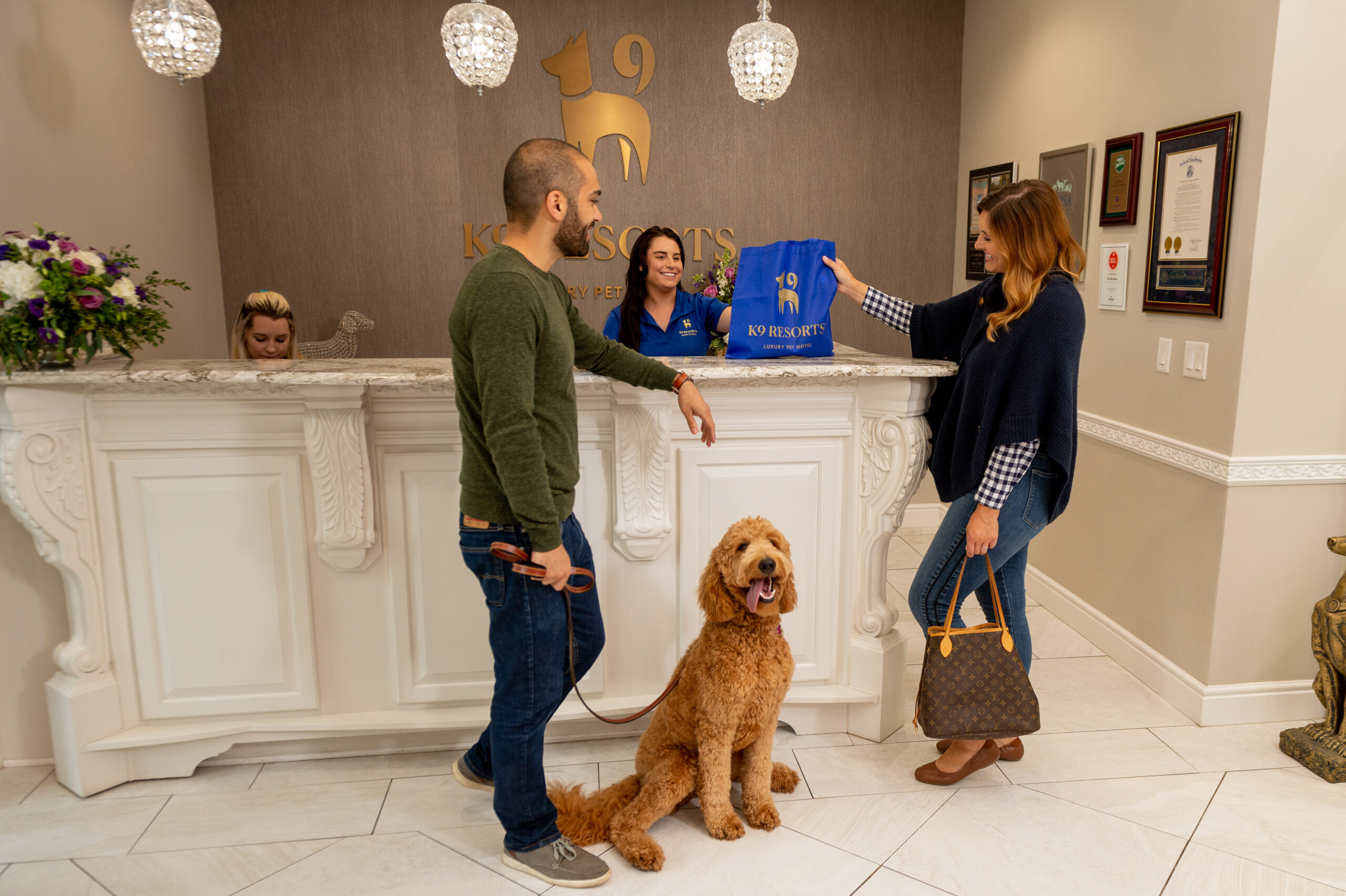
A dog care hotel refers to a premier, climate-controlled lodging facility specifically designed to offer elevated comfort, individual attention, and customized stimulation for domestic dogs. Unlike basic holding kennels that feature concrete runs and minimal human interaction, these establishments often provide private rooms, web-camera access for owners, and tailored play schedules. Such spaces focus on minimizing sensory overload while maintaining structured routines, which helps reduce cortisol spikes associated with separation from primary caregivers. Professional operations maintain strict cleaning protocols and secure fencing boundaries to safeguard every guest. For more related activities, check out our Dog Care Guide.
Evaluating the Impact on Canine Health and Well-Being
Placing a dog in a communal environment influences both physiological health and emotional well-being, requiring proactive health management from facility operators and owners alike. Preventive veterinary medicine plays a vital role here; reputable facilities require up-to-date vaccinations—including protection against kennel cough, scientifically known as canine infectious respiratory disease—to prevent outbreaks within closed populations. Social groups are typically managed based on size, play style, and temperament to prevent injuries. Continuous monitoring by trained staff ensures that subtle signs of stress, such as pacing, decreased appetite, or excessive vocalization, are addressed promptly before escalating into more serious behavioral or physical concerns.
Proper vaccination verification and rigorous environmental sanitation significantly reduce the transmission of infectious respiratory pathogens in group lodging settings. — American Veterinary Medical Association (AVMA)
Preparing Canines for a Successful Boarding Experience
Preparation and gradual habituation remain critical for ensuring a seamless transition into a dog care hotel environment. Initiating a trial overnight stay helps familiarize the animal with the facility sights, sounds, and staff members, reducing anxiety during longer separations. Guardians should maintain clear communication regarding dietary requirements, administering medications, and specific behavioral triggers. Providing familiar items, such as an unwashed blanket or a favorite durable toy, offers olfactory comfort during rest periods. Establishing consistency in feeding schedules prior to arrival further supports gastrointestinal stability.
Best Practices and Common Pitfalls to Avoid
Ensuring a positive lodging experience requires adherence to established animal care guidelines and the avoidance of common oversight errors. One frequent mistake involves waiting until the last minute to secure reservations, which limits the ability to tour facilities and assess safety standards properly. Additionally, neglecting to disclose known behavioral challenges, resource guarding tendencies, or noise sensitivities can compromise safety for the dog and staff. Facilities should be chosen based on transparency, staff-to-dog ratios, and emergency veterinary protocols rather than superficial luxury amenities alone. Proper planning safeguards both the physical health and emotional stability of the visiting animal.
Transparent communication regarding medical history and behavioral nuances enables lodging staff to tailor care plans effectively for every canine guest. — American Society for the Prevention of Cruelty to Animals (ASPCA)
Pet Care & Wellness Overview Table
| Life Stage | Daily Activity Level | Key Nutrition / Care Focus |
|---|---|---|
| Puppy / Kitten | High (frequent short bursts) | High-protein growth diet & early socialization |
| Adult Companion | Moderate (30–60 mins daily) | Balanced maintenance nutrition & dental hygiene |
| Senior Pets | Low to Gentle (mindful walks) | Joint support (Glucosamine) & routine vet checks |
Images References


Tailoring Accommodations to Age, Breed, and Temperament
Individual canine requirements vary significantly according to life stage, breed heritage, and unique psychological traits. Senior dogs often require orthopedic bedding, medication management, and low-impact environments away from high-energy puppy groups. Conversely, working or herding breeds may need higher levels of cognitive engagement and physical exercise to prevent boredom-induced frustration. Brachycephalic breeds—dogs with shortened snouts, such as Pugs and Bulldogs—require careful temperature regulation and monitoring to prevent respiratory distress during warmer months. Understanding these nuances allows staff to curate an appropriate daily routine for each guest.
When to Consult Veterinary Professionals or Certified Trainers
Consulting a licensed veterinarian or a certified professional dog trainer is essential when preparing dogs with severe separation anxiety, generalized fear, or aggressive tendencies for boarding. Standard commercial facilities may prove unsuitable for animals experiencing panic responses in unfamiliar environments; in such cases, professional in-home pet sitting might be recommended. If a dog displays persistent destructive behavior, self-injury, or complete refusal to eat while away from home, veterinary evaluation is necessary to rule out underlying medical conditions or to discuss supportive pharmaceutical interventions. Humane, force-free behavioral assessments ensure that placement decisions prioritize the long-term mental health of the animal.
Ensuring Optimal Care Through Informed Choices
Selecting the ideal canine lodging solution requires balancing safety, enrichment, and individual health requirements to ensure peace of mind for pet guardians. Exploring reliable resources on Dog Care, Dog Health, and Dog Behavior can further empower owners to make educated decisions regarding temporary housing. Prioritizing transparency, professional standards, and individualized attention guarantees that every dog experiences a safe, comfortable, and stress-free stay away from home. Visit PetsAnimalsWorld.com for more expert guides and resources.


