Foundational Elements of Comprehensive Canine Husbandry
According to the American Veterinary Medical Association, proactive preventive medicine and consistent daily management are the most effective ways to secure long-term health and well-being for companion animals. Navigating the responsibilities of canine stewardship requires a structured approach that balances physical health, nutritional balance, and environmental enrichment. Every domestic dog relies on human guardians to provide a safe habitat, appropriate social exposure, and responsive healthcare. Understanding the fundamentals of canine maintenance helps bridge the gap between basic survival and optimal quality of life, fostering a stable environment where animals can thrive physically and psychologically.
💡 Pet Care Key Takeaways:
- Core Focus: Practical health, nutrition, and wellness guidelines for Dog Care Guide.
- Target Scope: Pet owners, animal caregivers, and veterinary support staff.
- Best Recommendation: Maintain consistent daily routines and consult an accredited veterinarian before introducing major diet or medical changes.
Defining Responsible Dog Care and Daily Essentials
A comprehensive dog care guide encompasses all physical, environmental, and emotional requirements necessary to maintain a healthy canine life stage from puppyhood through senior years. Daily maintenance involves far more than simply supplying food and water; it requires structured routines that address movement, mental stimulation, grooming, and veterinary oversight. Implementing these foundational practices consistently prevents many common behavioral and medical issues before they develop. Proper husbandry respects the biological and psychological nature of the species, acknowledging that dogs possess distinct communicative signals, sensory capacities, and social needs that differ fundamentally from human perspectives.
The Impact of Daily Routines on Longevity and Welfare
Consistent daily habits directly influence metabolic health, joint longevity, and stress levels in domestic canines. Regular physical activity supports cardiovascular conditioning, maintains optimal muscle mass, and prevents metabolic disorders such as canine obesity. Simultaneously, predictable feeding schedules and reliable household rules reduce environmental anxiety, helping dogs feel secure within their living space. When daily routines lack structure, animals frequently develop stress-related coping mechanisms, ranging from excessive vocalization to destructive chewing. Establishing clear, calm expectations supports balanced Dog Behavior and strengthens the communicative bond between the household and the animal.
Obesity remains one of the most common preventable health conditions in domestic dogs, frequently contributing to secondary joint deterioration and metabolic strain. — American Veterinary Medical Association
Implementing Best Practices in Canine Management
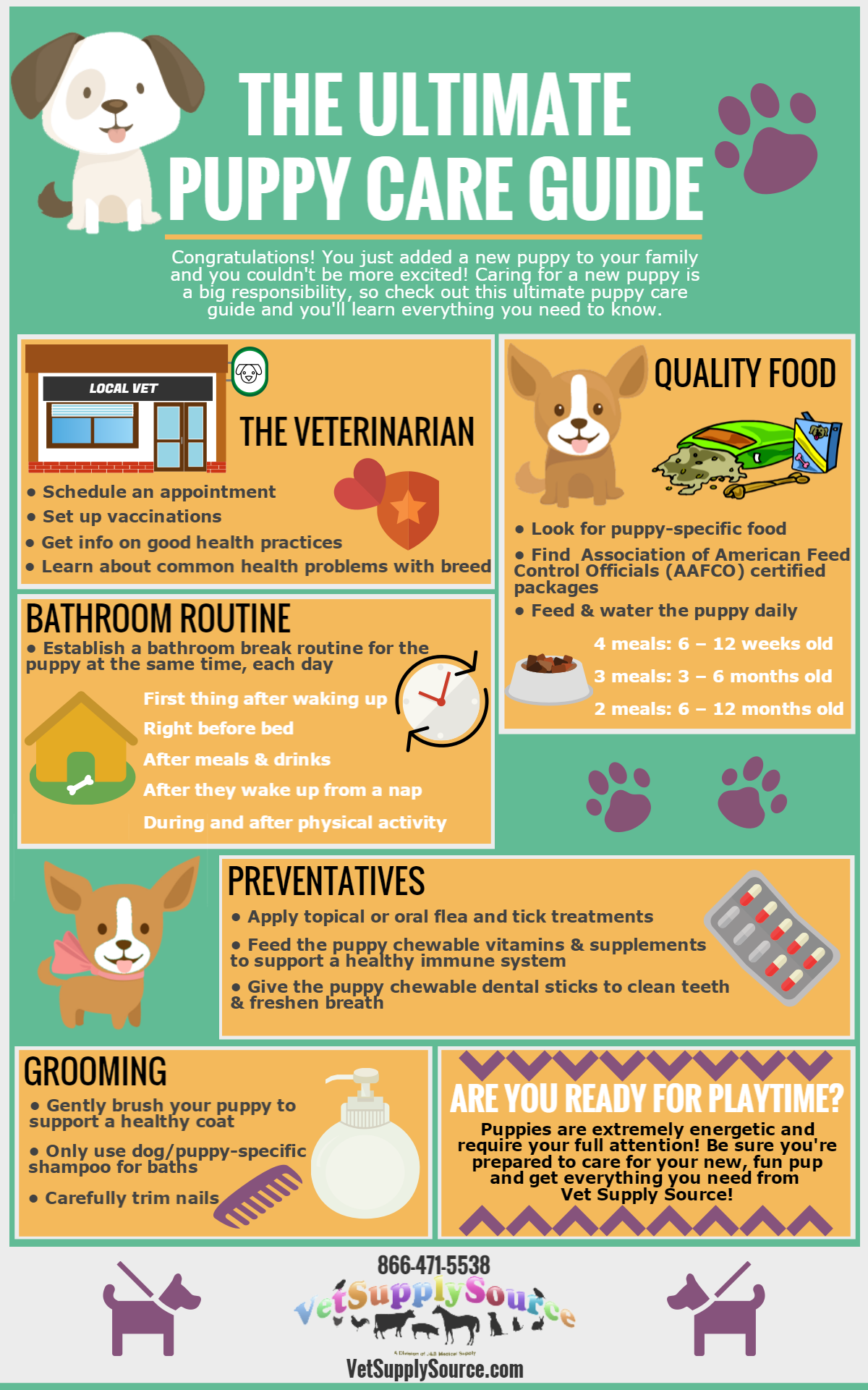
Managing a companion animal successfully relies on progressive routines that adapt to changing physiological states and environmental pressures. Nutritional management must prioritize balanced diets formulated to meet established standards, such as those published by the Association of American Feed Control Officials, ensuring macro and micronutrient adequacy. Environmental enrichment should incorporate puzzle feeders, scent work, and varied walking routes to engage the dog’s natural foraging and exploratory instincts. Daily grooming sessions provide an invaluable opportunity to inspect the skin, coat, and nails for early signs of parasites, lumps, or localized irritation, turning routine maintenance into a vital health screening tool.
Common Pitfalls and Essential Preventative Strategies
Guarding against accidental toxicity represents a critical aspect of daily domestic management. Many common household items, including specific human foods like chocolate, grapes, onions, and xylitol-containing artificial sweeteners, pose severe systemic risks to canine physiology. Ingestion of these substances requires immediate professional intervention. Furthermore, guardians must avoid punitive, fear-based training methods, which empirical studies associate with increased stress reactivity and defensive aggression. Utilizing positive reinforcement methods builds cooperation and trust without compromising emotional well-being. Regular parasite control for fleas, ticks, and intestinal worms must remain continuous year-round, tailored to local geographic risk factors and lifestyle exposures.
Positive reinforcement techniques are demonstrably superior for domestic animal learning, reducing fear responses while promoting reliable compliance. — American Animal Hospital Association
Pet Care & Wellness Overview Table
| Life Stage | Daily Activity Level | Key Nutrition / Care Focus |
|---|---|---|
| Puppy / Kitten | High (frequent short bursts) | High-protein growth diet & early socialization |
| Adult Companion | Moderate (30–60 mins daily) | Balanced maintenance nutrition & dental hygiene |
| Senior Pets | Low to Gentle (mindful walks) | Joint support (Glucosamine) & routine vet checks |
Images References



Individualizing Care Across Breeds, Ages, and Sizes
Canine care requirements vary significantly depending on genetic heritage, skeletal scale, and chronological age. A large-breed puppy requires carefully managed calcium-to-phosphorus ratios and controlled exercise limits during skeletal development to mitigate the risk of orthopedic disorders such as hip dysplasia. Conversely, a senior toy-breed dog requires specialized attention to dental hygiene, soft-food options, and gentle joint support to manage age-related wear. Exploring specific Dog Breeds helps guardians anticipate breed-specific predispositions, coat maintenance requirements, and exercise tolerances. Tailoring daily care to the individual animal ensures that unique physiological vulnerabilities receive targeted preventative attention.
When to Consult a Veterinary Professional or Behaviorist
Professional guidance is essential whenever subtle behavioral changes, physical ailments, or environmental challenges exceed the scope of routine home management. For suspected poisoning, difficulty breathing, seizures, collapse, severe bleeding, or other potentially urgent conditions, immediate veterinary care is necessary; never attempt home remedies or administer human medications without direct clinical direction. For persistent behavior concerns such as separation distress, generalized anxiety, or defensive reactivity, guardians should seek out a qualified, appropriately certified trainer or veterinary behaviorist who utilizes humane, evidence-based methods. Partnering with qualified professionals ensures that complex medical or psychological challenges receive safe, accurate, and individualized intervention.
Conclusion and Further Resources
Sustaining a healthy, harmonious life with a canine companion requires dedication, ongoing education, and attentive observation of daily needs. By integrating sound nutritional practices, humane training methods, and vigilant healthcare monitoring, households can provide an exceptional standard of living for their animals. For continued learning on specific medical inquiries, dietary requirements, and structured management plans, explore additional resources across Dog Health, Dog Nutrition, and comprehensive Dog Care. Visit PetsAnimalsWorld.com regularly for expert-informed guidance designed to support every stage of the human-animal bond.