

The Foundation of Canine Hygiene and Aesthetic Maintenance
Routine maintenance of a canine coat, skin, and nails serves a far greater purpose than merely achieving an attractive appearance. According to the American Society for Prevention of Cruelty to Animals, regular grooming is an essential element of overall animal welfare that aids in the early detection of medical anomalies. Incorporating structured maintenance sessions into a canine husbandry routine strengthens the bond between human and animal while simultaneously protecting physical health. Dogs often thrive when given predictable, gentle handling, making cosmetic upkeep a cornerstone of responsible pet ownership.
💡 Pet Care Key Takeaways:
- Core Focus: Practical health, nutrition, and wellness guidelines for Dog Care Grooming.
- Target Scope: Pet owners, animal caregivers, and veterinary support staff.
- Best Recommendation: Maintain consistent daily routines and consult an accredited veterinarian before introducing major diet or medical changes.
Defining Canine Cosmetic and Hygenic Upkeep
Dog care grooming encompasses a comprehensive range of maintenance activities designed to preserve physical health, hygiene, and comfort across all life stages. This broad discipline includes brushing coats to remove loose hair and debris, bathing with appropriate cleansers, trimming nails, cleaning ears, and maintaining dental hygiene through professional or home-based methods. Each task targets specific anatomical structures, ensuring that the skin breathes properly, nails do not curl into paw pads, and ears remain free of excessive moisture buildup. Far from being a superficial luxury, systematic upkeep protects the body’s largest organ, the skin, from a variety of environmental hazards. For more related activities, check out our Dog Care Government Hospital.
The Direct Impact of Hygiene on Physical and Mental Well-Being
Consistent physical maintenance directly influences a canine’s comfort, mobility, and psychological state by preventing painful mats, skin infections, and parasitic infestations. Matted fur pulls tightly against sensitive skin, restricting movement and cutting off circulation, which can lead to severe dermatitis or hot spots. Furthermore, overgrown nails alter a dog’s gait, placing undue stress on joints and tendons, while neglected ear canals invite painful yeast or bacterial infections. By managing these risks proactively, caretakers support long-term mobility and emotional stability, reducing the stress often associated with unfamiliar handling procedures.
Routine inspection of skin, coat, and paws during regular maintenance allows caretakers to identify parasites, lumps, and skin irritations before they escalate into serious medical conditions. — American Society for the Prevention of Cruelty to Animals
Practical Protocols for Implementing Safe Maintenance Routines
Establishing a successful hygiene routine requires a methodical, step-by-step approach that prioritizes positive reinforcement and gradual desensitization to tools. Sessions should begin in a quiet, non-slip environment, utilizing appropriate implements such as slicker brushes, metal combs, or pin brushes matched to the specific coat texture. Caretakers must introduce tools slowly, allowing the animal to sniff and investigate items before any physical contact occurs. Rewarding calm behavior with high-value treats creates a positive mental association with the grooming process, transforming a potentially stressful chore into an anticipated bonding ritual.
Best Practices, Common Pitfalls, and Essential Safety Measures
Effective maintenance relies on precision, patience, and strict adherence to safety guidelines, particularly when working around sensitive areas like the face, paws, and underarms. A prevalent mistake involves rushing through dense tangles by pulling forcefully, which causes unnecessary skin trauma and creates a lifelong aversion to brushing. Instead, caretakers should hold the base of the hair near the skin while gently working through knots with a metal comb. Additionally, when trimming nails, extreme care must be taken to avoid the quick, which is the sensitive blood vessel and nerve bundle running inside the nail, to prevent bleeding and pain.
Desensitizing puppies and adult dogs to the touch of clippers, brushes, and handling of paws through low-stress exposure significantly reduces cortisol levels during routine care. — American Kennel Club
Pet Care & Wellness Overview Table
| Life Stage | Daily Activity Level | Key Nutrition / Care Focus |
|---|---|---|
| Puppy / Kitten | High (frequent short bursts) | High-protein growth diet & early socialization |
| Adult Companion | Moderate (30–60 mins daily) | Balanced maintenance nutrition & dental hygiene |
| Senior Pets | Low to Gentle (mindful walks) | Joint support (Glucosamine) & routine vet checks |
Images References

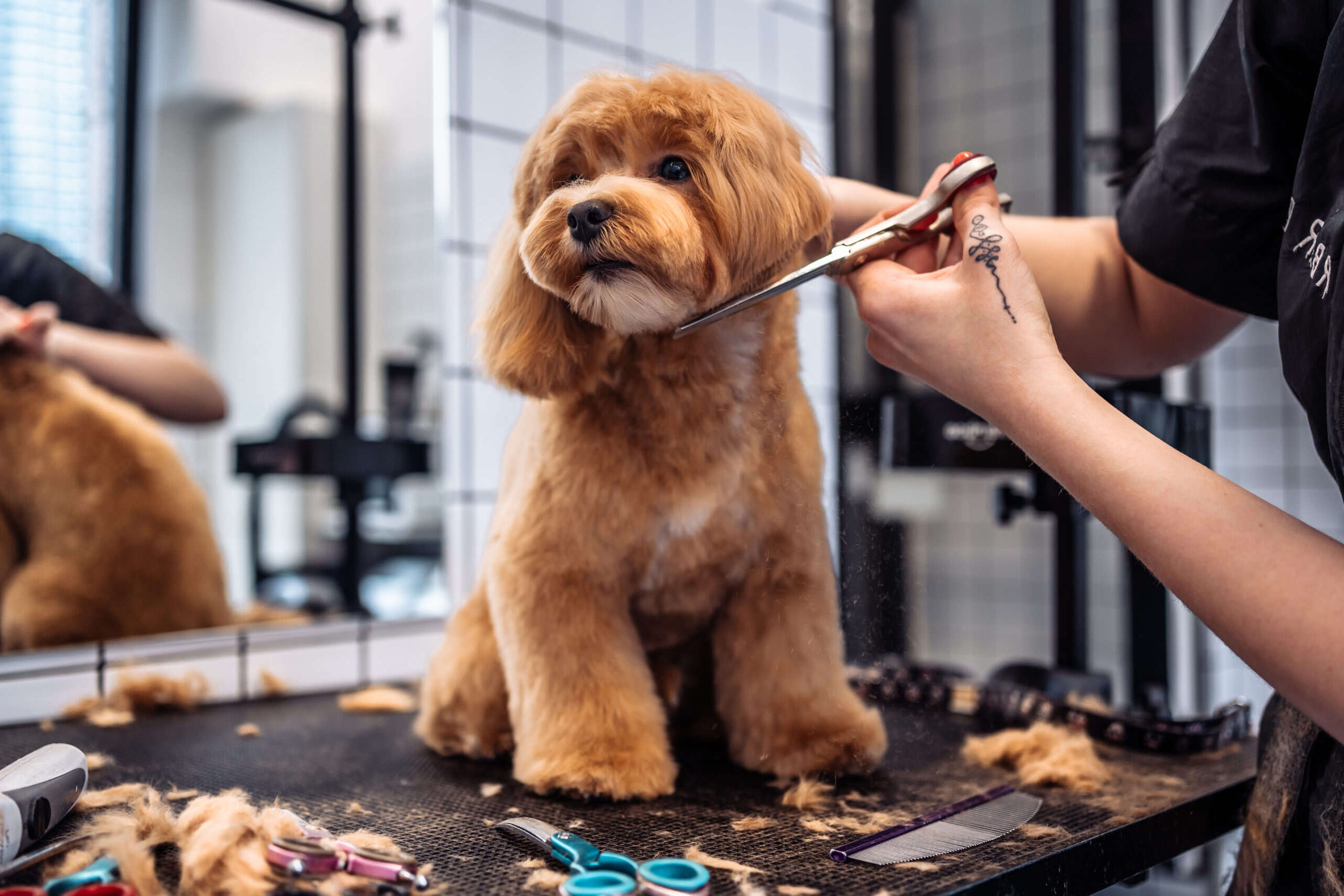


Adapting Procedures for Breed, Age, and Coat Variability
Individual physical characteristics, including breed-specific coat types, age-related skin fragility, and overall temperament, dictate the required frequency and technique of maintenance. Double-coated breeds, such as Siberian Huskies or German Shepherds, experience heavy seasonal shedding that demands specialized undercoat rakes during shedding periods, whereas continuously growing coats, like Poodles or Shih Tzus, require frequent clipping and daily combing to prevent severe matting. Senior canines often have stiff joints or thinning, sensitive skin, necessitating shorter, gentler sessions and cushioned surfaces to maintain their physical comfort throughout the process.
When to Seek Professional Veterinary or Grooming Assistance
Certain situations require the expertise of a professional pet stylist or a licensed veterinarian rather than home management. Caretakers should immediately consult a veterinary professional if they discover persistent skin lesions, unexplained swelling, parasites resistant to over-the-counter preventatives, or severe behavioral distress during handling. For specialized coat styling or severely matted pelts that pull tightly against the skin, professional groomers possess the proper training and commercial equipment to resolve the issue safely without inflicting accidental skin lacerations.
Maintaining Lifelong Wellness Through Dedicated Care
Consistent attention to hygiene and cosmetic maintenance remains a pillar of comprehensive animal stewardship, directly supporting quality of life and longevity. By understanding the unique needs of an individual animal, caretakers can foster a comfortable, healthy environment that prevents numerous common ailments. Explore additional resources on Dog Care, Dog Health, and Dog Behavior to deepen your knowledge. Visit PetsAnimalsWorld.com for expert guidance on nurturing a happy, healthy companion.


