
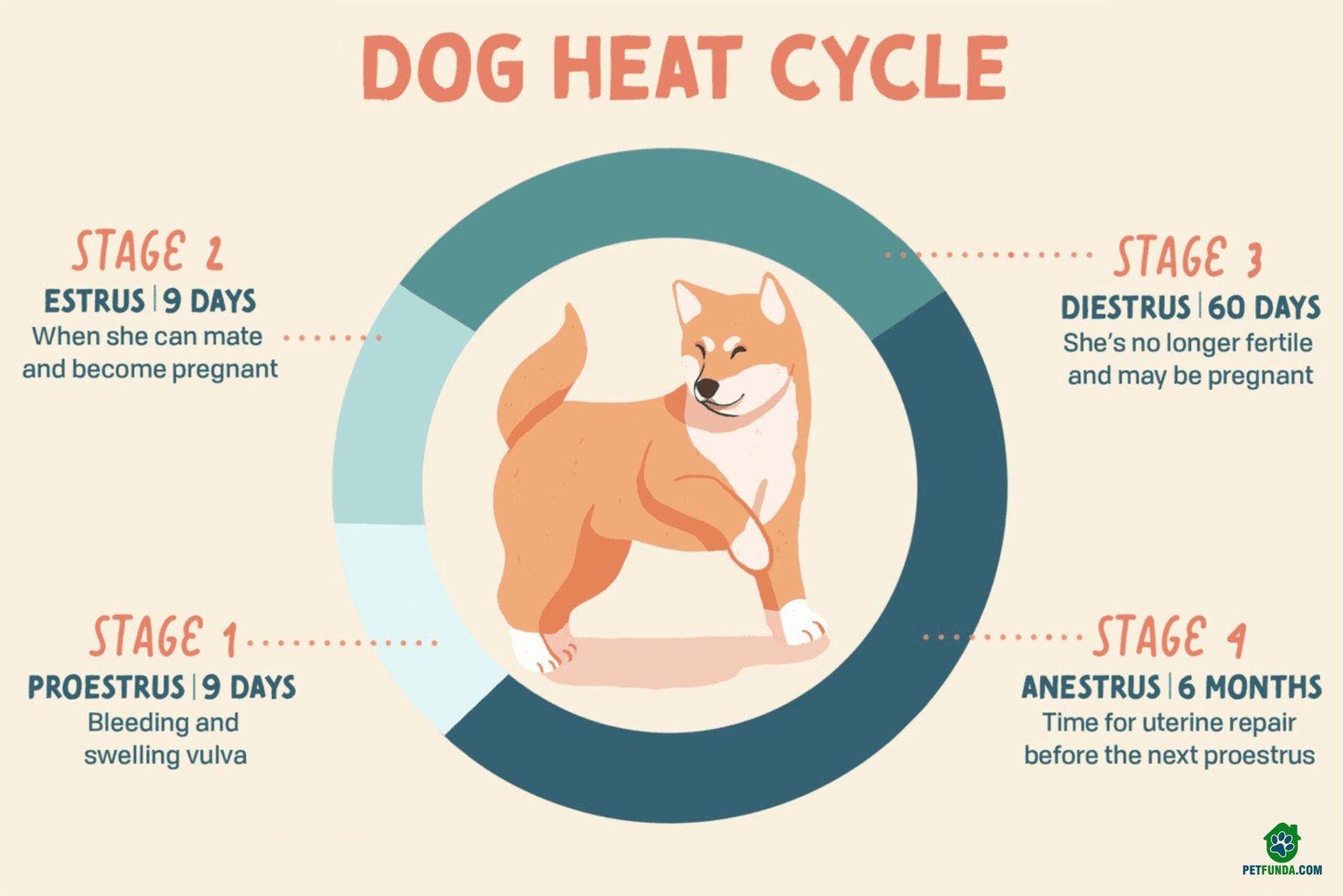
Understanding the physiological and behavioral changes associated with the canine estrus cycle is fundamental for maintaining the well-being of unspayed female dogs. According to the American Kennel Club, female dogs typically experience their first estrus cycle between six and twelve months of age, though larger breeds may mature at a slower rate. This biological phase, commonly referred to as being in heat, requires attentive management from household guardians to ensure both physical health and safety. Proper preparation helps minimize stress for the animal while preventing unwanted litters and managing environmental challenges.
💡 Pet Care Key Takeaways:
- Core Focus: Practical health, nutrition, and wellness guidelines for Dog Care In Heat.
- Target Scope: Pet owners, animal caregivers, and veterinary support staff.
- Best Recommendation: Maintain consistent daily routines and consult an accredited veterinarian before introducing major diet or medical changes.
Understanding Canine Estrus and Biological Phases
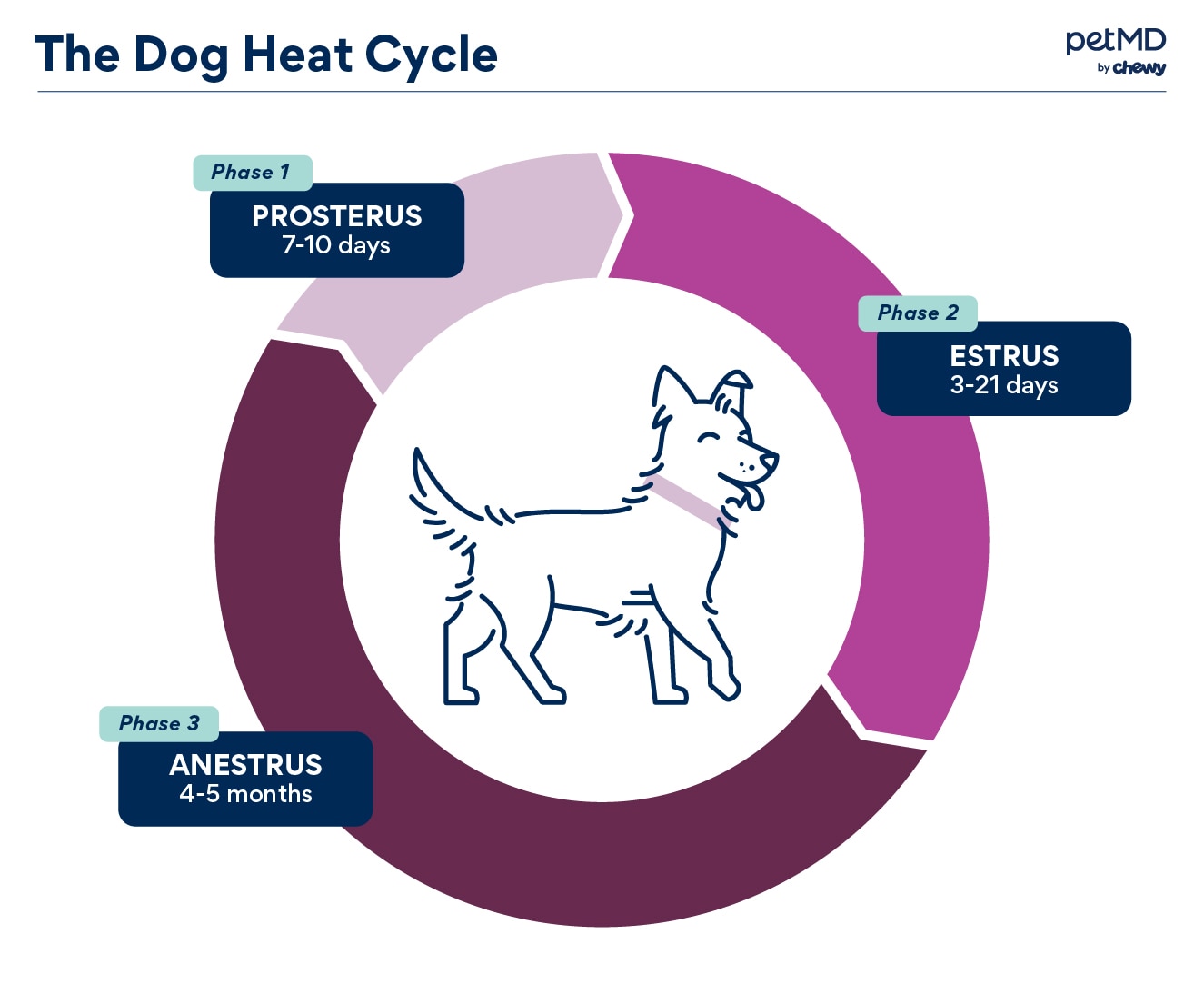
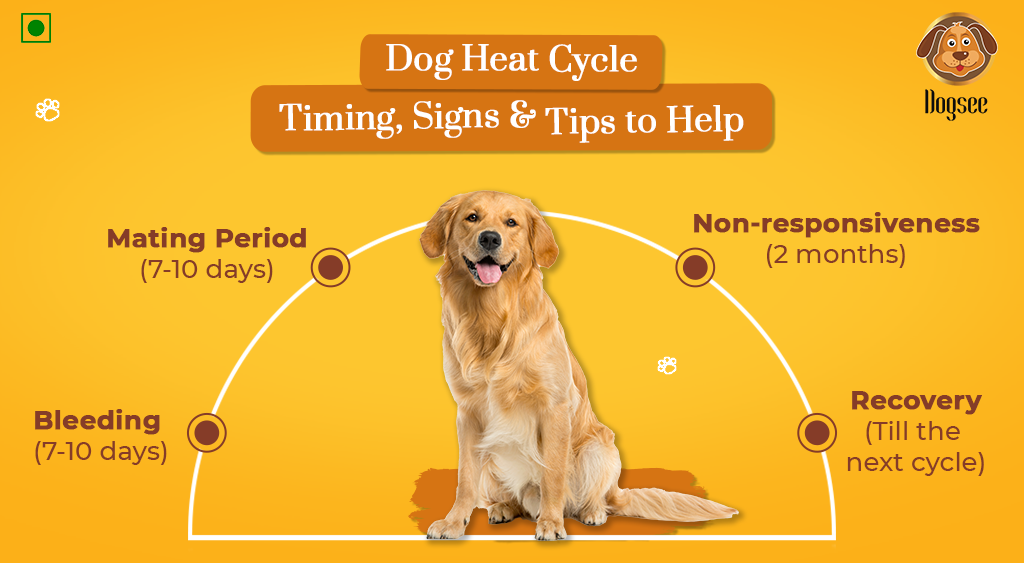
Canine estrus represents the fertile phase of a female dog’s reproductive cycle, characterized by specific hormonal shifts and physical signs. The entire cycle consists of four distinct stages: proestrus, estrus, diestrus, and anestrus. During proestrus, which typically lasts around nine days, females experience vulvar swelling and bloody discharge, yet they will not yet accept a male. This transitions into estrus, the true heat phase lasting roughly another nine days, during which ovulation occurs and the female becomes receptive to mating. Recognizing these biological markers allows caretakers to anticipate behavioral shifts and implement appropriate safety measures during the most vulnerable windows. For more related activities, check out our Dog Care Jobs Near Me.
Managing Health, Hygiene, and Behavioral Shifts
Navigating an estrus cycle involves balancing physical hygiene with the management of sudden behavioral alterations. Affected dogs frequently experience hormonal fluctuations that lead to restlessness, increased vocalization, temporary shifts in appetite, or clingy tendencies. From a health perspective, maintaining a clean living environment requires washable bedding and specialized canine sanitary garments designed to manage discharge without causing skin irritation. Careful supervision during outdoor excursions remains essential, as scent-marking behaviors intensify significantly, attracting neighborhood canines from remarkable distances.
Female dogs emit specific pheromones during estrus that can attract male canines from substantial distances outdoors — American Kennel Club
Practical Strategies for Safe Household Management
Implementing strict management protocols during the fertile window safeguards the animal and prevents accidental breeding incidents. Outdoor time must transition exclusively to secure, leash-controlled walks or privately fenced yards, as scent-driven wandering instincts override normal recall training. Dog parks and communal canine spaces should be strictly avoided throughout the entire duration of proestrus and estrus. Additionally, keeping windows and perimeter gates securely latched prevents roaming intact males from accessing the property.
Essential Best Practices and Common Management Mistakes
Maintaining high standards of care requires adhering to proven management techniques while actively avoiding common pitfalls. One frequent mistake involves underestimating the physical stamina of roaming males, who can easily breach standard garden fencing if left unsupervised. Caretakers should also avoid using harsh scoldings for increased indoor restlessness or behavioral changes, as these reactions stem entirely from natural hormonal drivers. Instead, offering puzzle toys, gentle indoor enrichment, and patient reassurance helps maintain a calm domestic environment. Routine hygiene checks ensure that the skin around the vulva remains clean and free from moisture-related irritation.
Spaying female dogs before their first heat cycle significantly reduces the lifetime risk of developing mammary tumors and pyometra — American Veterinary Medical Association
Pet Care & Wellness Overview Table
| Life Stage | Daily Activity Level | Key Nutrition / Care Focus |
|---|---|---|
| Puppy / Kitten | High (frequent short bursts) | High-protein growth diet & early socialization |
| Adult Companion | Moderate (30–60 mins daily) | Balanced maintenance nutrition & dental hygiene |
| Senior Pets | Low to Gentle (mindful walks) | Joint support (Glucosamine) & routine vet checks |
Images References



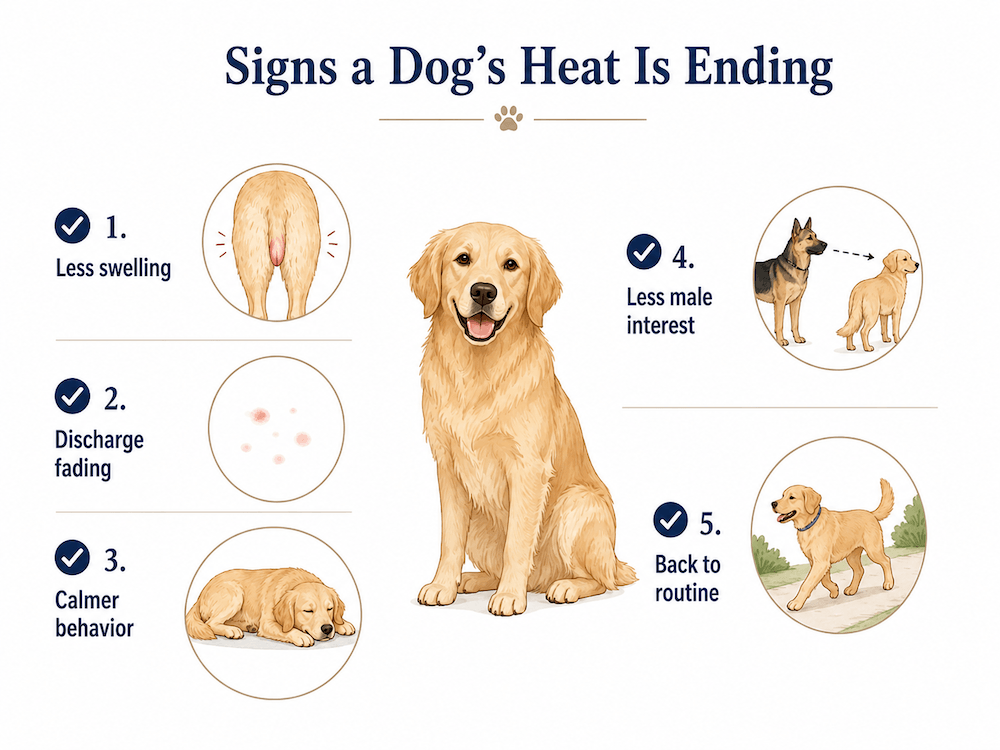


Breed, Age, and Size Considerations in Estrous Care
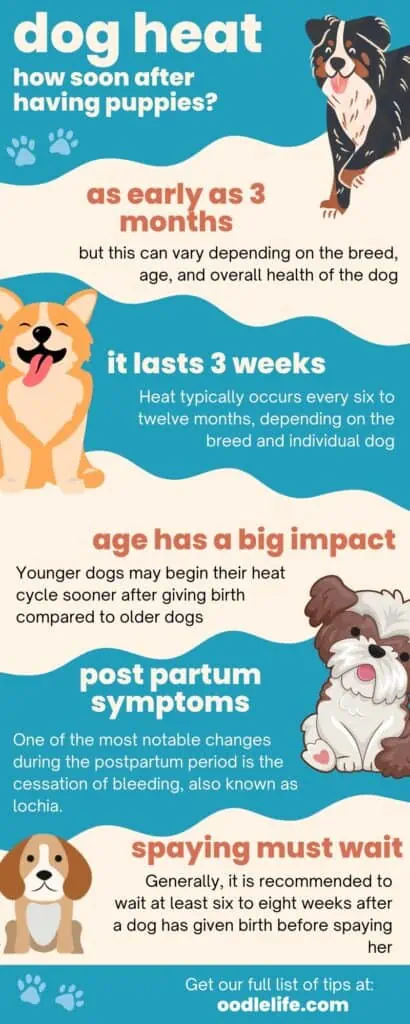
Individual physiological differences across breeds, ages, and body sizes influence how dogs experience and display the signs of estrus. Toy and miniature breeds may experience their cycles earlier and sometimes display more pronounced behavioral nervousness compared to giant breeds. Conversely, giant breeds often have longer intervals between cycles and produce heavier discharge, requiring tailored management approaches. Older unspayed females require heightened vigilance, as advancing age increases susceptibility to uterine infections and other reproductive system complications.
When to Consult a Veterinarian or Professional Behaviorist
Professional veterinary guidance becomes essential if unusual physical symptoms or severe behavioral distress manifest during the estrus cycle. Warning signs requiring prompt medical evaluation include lethargy, excessive or foul-smelling discharge, prolonged bleeding lasting beyond three weeks, or complete loss of appetite. These symptoms may indicate pyometra, a potentially life-threatening uterine infection requiring immediate clinical intervention. For persistent behavioral challenges such as extreme anxiety or aggression, consulting a certified professional Dog Training expert ensures the implementation of humane, low-stress support strategies.
Supporting Your Canine Companion Throughout Life
Navigating the complexities of canine reproductive health requires continuous education, proactive hygiene management, and attentive observation. By understanding the physiological phases and prioritizing safety during vulnerable windows, guardians can protect their animal’s long-term health and comfort. Exploring additional resources on Dog Care, Dog Health, and Dog Behavior on PetsAnimalsWorld.com helps ensure informed, compassionate decision-making at every stage of a dog’s life.


