The Importance of Tailored Dog Care in Chennai
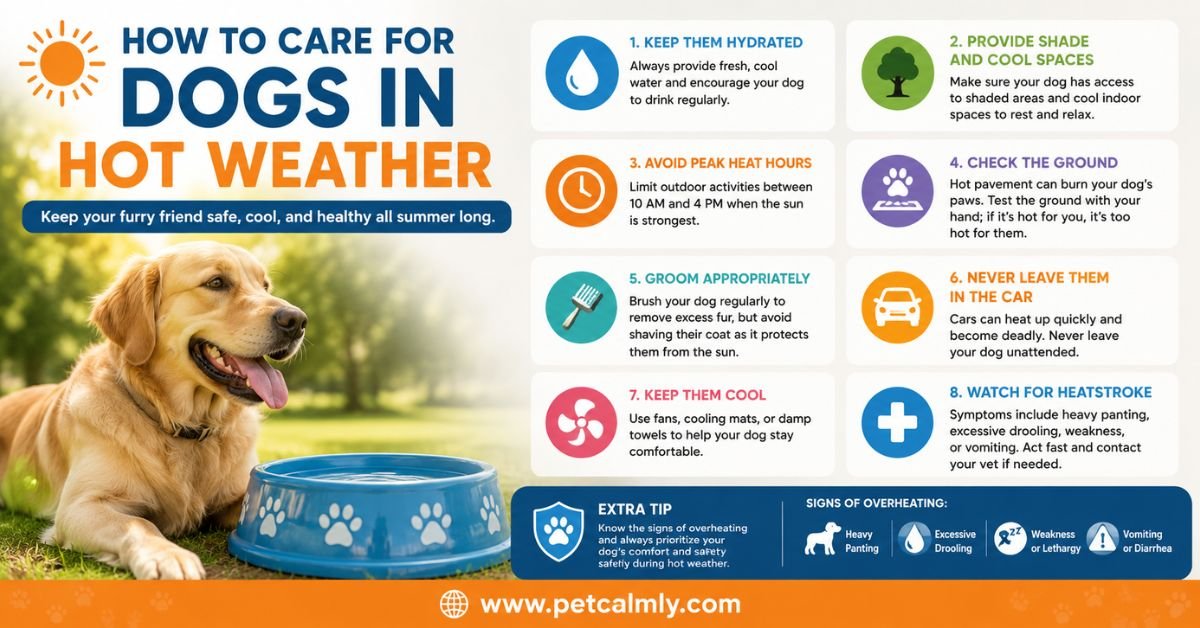
Providing comprehensive care for a canine companion in a bustling metropolitan environment like Chennai requires an understanding of the local climate, urban infrastructure, and specific health challenges. According to the American Veterinary Medical Association (AVMA), maintaining a consistent routine that includes proper nutrition, regular veterinary checkups, and physical exercise is essential for the long-term well-being of any dog. Because Chennai experiences high temperatures and significant humidity for much of the year, the approach to pet ownership must be adapted to prioritize heat safety and hydration. Recognizing these environmental factors allows owners to create a supportive living space that fosters both physical health and mental stimulation for their dogs.
💡 Pet Care Key Takeaways:
- Core Focus: Practical health, nutrition, and wellness guidelines for Dog Care In Chennai.
- Target Scope: Pet owners, animal caregivers, and veterinary support staff.
- Best Recommendation: Maintain consistent daily routines and consult an accredited veterinarian before introducing major diet or medical changes.
Defining Responsible Dog Care in a Tropical Urban Setting
Responsible dog care in Chennai involves mitigating the risks associated with a tropical climate while ensuring the animal remains engaged and active. This means scheduling walks during the coolest parts of the day—typically early mornings or late evenings—to avoid the intense heat that can lead to burnt paw pads on asphalt and potential heat exhaustion. Furthermore, maintaining a clean living environment is crucial, as the local climate can contribute to the proliferation of external parasites like ticks and fleas. Regular grooming and consistent use of veterinarian-approved preventative treatments serve as the first line of defense against vector-borne diseases. Engaging with dog care practices that emphasize these environmental adaptations ensures that the dog remains comfortable regardless of the season.
Managing Health and Environmental Risks
The primary health risks for dogs in Chennai often stem from heat-related illnesses and exposure to pathogens carried by local insect populations. Recognizing the early signs of heatstroke, such as excessive panting, lethargy, or bright red gums, is a critical skill for any owner. During the warmer months, ensuring that fresh, cool water is always available is non-negotiable. Additionally, because environmental stressors can impact a dog’s immune system, keeping vaccinations updated according to local veterinary protocols is vital. Owners should also be aware that certain indoor hazards, such as household plants or cleaning chemicals, can pose risks if ingested. When a dog displays sudden lethargy, difficulty breathing, or loss of appetite, immediate veterinary consultation is necessary to rule out acute conditions.
Heatstroke in dogs is a medical emergency characterized by an elevated body temperature that can lead to organ failure; immediate cooling and veterinary intervention are required. — American Society for the Prevention of Cruelty to Animals (ASPCA)
Strategies for Effective Training and Daily Management
Effective management in an urban environment relies on positive reinforcement and consistent behavioral guidance. Training should focus on essential life skills, such as walking politely on a leash amidst city traffic and responding to recall commands in case of unexpected distractions. Since Chennai has high-density living areas, socializing dogs to remain calm around strangers, other animals, and loud noises is beneficial for their overall dog behavior. Utilizing humane, reward-based methods helps build a bond of trust between the owner and the dog, which is far more effective than punitive approaches. For those who struggle with specific behavioral hurdles, seeking out certified professionals who utilize science-based methods can provide the necessary structure for successful urban living.
Best Practices for Urban Canine Wellness
Consistency serves as the foundation for a well-adjusted dog. Establishing a predictable routine for feeding, exercise, and rest helps reduce anxiety, especially in high-stimulation environments. It is important to avoid the common mistake of over-exercising dogs during peak sun hours, as this can lead to dehydration and fatigue. Instead, focus on shorter, more frequent play sessions or indoor mental enrichment games during the middle of the day. Furthermore, nutrition plays a massive role in health; ensuring the diet is balanced and appropriate for the dog’s life stage is paramount. Consulting with a veterinarian to establish a diet plan ensures that the dog receives all necessary nutrients without the risks associated with improper human food consumption or overfeeding.
Proper nutrition, tailored to a dog’s life stage and activity level, is fundamental to maintaining a healthy immune system and preventing obesity-related health issues. — American Kennel Club (AKC)
Pet Care & Wellness Overview Table
| Life Stage | Daily Activity Level | Key Nutrition / Care Focus |
|---|---|---|
| Puppy / Kitten | High (frequent short bursts) | High-protein growth diet & early socialization |
| Adult Companion | Moderate (30–60 mins daily) | Balanced maintenance nutrition & dental hygiene |
| Senior Pets | Low to Gentle (mindful walks) | Joint support (Glucosamine) & routine vet checks |
Images References






Breed and Temperament Considerations in Chennai
Different breeds have distinct physiological needs that influence how they adapt to the Chennai climate. High-energy or thick-coated breeds may require more intensive cooling strategies, while brachycephalic breeds—those with short, flat faces—are particularly susceptible to heat stress and require very careful monitoring. It is essential to research the specific traits of dog breeds to understand their exercise requirements and tolerance for humidity. Regardless of the breed, every dog requires adequate space to move and regular opportunities to engage in natural behaviors like sniffing and exploring. Tailoring the environment to suit the individual temperament of the dog—whether they are a high-energy working breed or a more sedentary companion—ensures they thrive in an urban home.
When to Consult a Veterinary Professional
Professional veterinary guidance is essential for maintaining long-term health and addressing specific concerns before they escalate. While general care practices are useful, they are not a substitute for regular physical examinations, parasite control, and age-appropriate vaccinations. Owners should consult a veterinarian if they notice persistent changes in behavior, unexplained weight loss, skin irritation, or difficulty moving. Furthermore, if a dog experiences a sudden medical emergency, such as a seizure, collapse, or severe injury, time is of the essence; professional intervention should be sought immediately. A proactive relationship with a local veterinary clinic ensures that a medical history is established, allowing for more personalized and effective care over the dog’s lifetime.
Building a Healthy Future for Canine Companions
Providing excellent care for a dog in Chennai is a rewarding commitment that centers on awareness, patience, and proactive health management. By prioritizing hydration, heat safety, regular exercise, and professional medical oversight, owners can ensure their companions lead comfortable and fulfilling lives. For more detailed guidance on maintaining canine health, behavioral development, and nutritional requirements, explore the resources available at PetsAnimalsWorld.com. Delving into the categories of dog nutrition and dog training can provide further insights into creating a supportive environment for every dog. Taking these steps today contributes to a stronger, healthier bond that will benefit both the owner and the dog for years to come.