Understanding the Vital Importance of Summer Safety for Canines
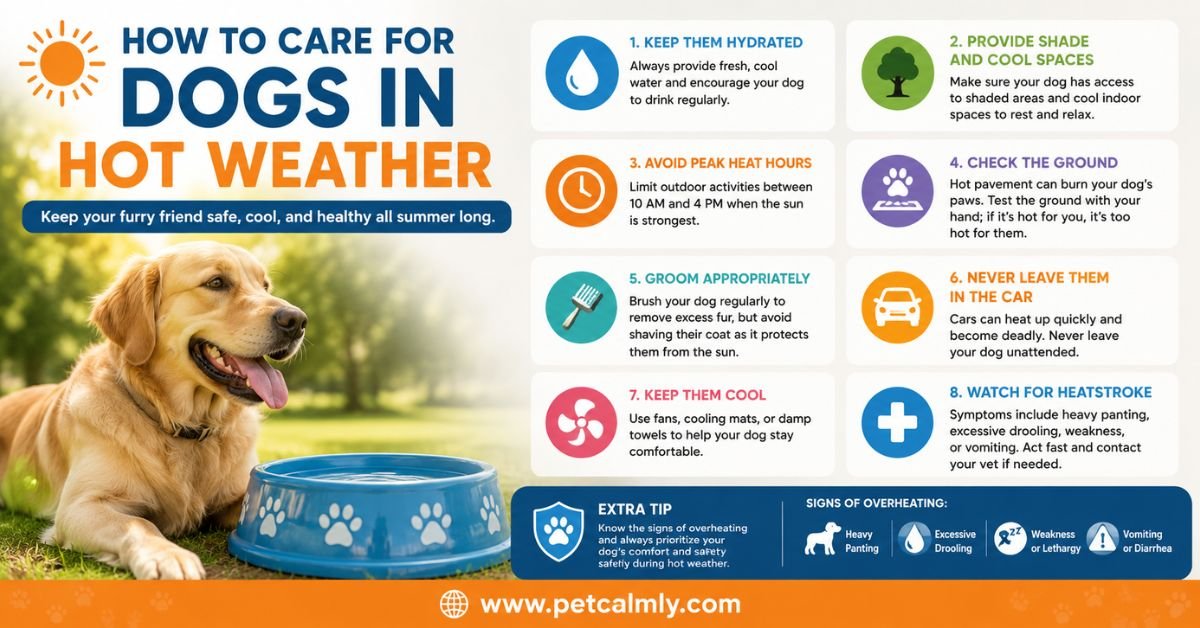
Rising summer temperatures create a critical need for attentive dog care in heatwave conditions, as domestic canines face severe environmental risks that demand proactive household management. According to the American Veterinary Medical Association, high environmental temperatures combined with elevated humidity can rapidly trigger heat-related illnesses in domestic pets, making seasonal environmental management an essential veterinary priority. When ambient temperatures climb, the natural physiology of canines struggles to cope with thermal stress because dogs possess limited sweat glands located primarily in their paw pads. Instead of sweating extensively like humans, dogs rely heavily on panting and vasodilation, which involves widening blood vessels near the skin surface to release excess body heat. Understanding these physiological limitations helps owners recognize why standard summer routines often require significant daily modifications to keep animals safe, comfortable, and healthy during extreme weather events.
💡 Pet Care Key Takeaways:
- Core Focus: Practical health, nutrition, and wellness guidelines for Dog Care In Heatwave.
- Target Scope: Pet owners, animal caregivers, and veterinary support staff.
- Best Recommendation: Maintain consistent daily routines and consult an accredited veterinarian before introducing major diet or medical changes.
Defining Environmental Heat Stress and Canine Physiology
Proper dog care in heatwave scenarios encompasses comprehensive environmental management, hydration strategies, and continuous physiological monitoring to prevent dangerous core body temperature elevations. Thermal stress occurs when environmental heat overwhelms the body’s natural cooling mechanisms, leading to a pathological condition known as hyperthermia, where internal temperatures rise above the normal canine range of roughly 101 to 102.5 degrees Fahrenheit. Elevated core temperatures can rapidly progress to heat exhaustion and life-threatening heatstroke, a medical emergency involving multi-organ dysfunction and cellular damage. Maintaining safety requires controlling ambient exposure, ensuring continuous access to cool hydration, and recognizing subtle environmental cues that indicate thermal discomfort long before physical distress becomes visually apparent to household observers.
Recognizing the Physiological and Behavioral Impacts of Extreme Heat
Extreme weather significantly alters daily canine well-being by impacting cardiovascular function, respiratory efficiency, and psychological comfort levels across all domestic breeds. Dogs experiencing elevated thermal stress often display behavioral shifts such as excessive lethargy, reluctance to move, seeking cool tile floors, or demonstrating uncharacteristic restlessness when unable to find a comfortable resting spot. Clinically, prolonged exposure to high heat forces the cardiovascular system to work overtime as the heart pumps faster to cool the skin surface, which places immense strain on geriatric animals or those with underlying heart conditions. Furthermore, asphalt and concrete absorb solar radiation intensely, retaining thermal energy long after air temperatures drop, which creates invisible hazards for sensitive paw structures during routine outdoor excursions.
High ambient temperatures and inadequate ventilation can cause a dog’s core body temperature to reach dangerous levels within minutes, leading to rapid tissue damage and potential organ failure. — American Veterinary Medical Association
Implementing Effective Management Strategies for Hot Weather
Managing dog care in heatwave environments requires a proactive approach focused on environmental modification, cool indoor sanctuaries, and carefully timed outdoor routines. Shifting daily exercise schedules to the coolest hours of early morning or late evening helps avoid peak solar radiation, though owners must still test pavement temperatures manually with the back of a hand before allowing paws to touch surfaces. Indoor environments should feature adequate air circulation, reliable air conditioning, and constant access to fresh, cool water refreshed multiple times throughout the day. Utilizing cooling mats, shaded outdoor resting areas, and damp towels can further assist animals in maintaining stable body temperatures without relying solely on heavy panting.
Best Practices, Common Mistakes, and Essential Precautions
Optimal warm-weather routines depend on avoiding common oversight errors, such as leaving pets unattended in parked vehicles or misjudging the humidity’s impact on cooling efficiency. High humidity severely hinders evaporative cooling through panting, meaning that moderate air temperatures can still feel dangerously oppressive when moisture saturation in the air prevents normal respiratory heat exchange. Another frequent mistake involves forcing dogs to maintain their usual physical exertion levels during summer months; endurance activities should always be scaled back significantly when the weather turns warm. Providing frozen treats, utilizing shallow wading pools filled with cool water, and establishing indoor puzzle games can keep animals mentally stimulated without raising physical core temperatures.
Leaving a dog unattended in a vehicle during warm weather is extremely dangerous, as interior car temperatures can rise by nearly twenty degrees in just ten minutes, even with windows partially open. — American Society for the Prevention of Cruelty to Animals
Pet Care & Wellness Overview Table
| Life Stage | Daily Activity Level | Key Nutrition / Care Focus |
|---|---|---|
| Puppy / Kitten | High (frequent short bursts) | High-protein growth diet & early socialization |
| Adult Companion | Moderate (30–60 mins daily) | Balanced maintenance nutrition & dental hygiene |
| Senior Pets | Low to Gentle (mindful walks) | Joint support (Glucosamine) & routine vet checks |
Images References


Accounting for Breed, Age, Size, and Temperament Variations
Individual physical traits heavily dictate a specific animal’s vulnerability to extreme weather, requiring tailored Dog Care adjustments based on biological profile. Brachycephalic breeds, characterized by shortened facial structures such as Bulldogs, Pugs, and Boxers, face an exponentially higher risk of heat-related illness because their compromised respiratory anatomy makes panting far less efficient. Similarly, senior animals, puppies, overweight dogs, and those with dense double coats require heightened vigilance and much shorter outdoor exposures during hot spells. Understanding these distinct constitutional differences ensures that Dog Health is protected through customized management rather than relying on generalized assumptions that treat all animals identically.
Knowing When to Seek Professional Veterinary Intervention
Recognizing the critical threshold for professional medical help is the single most important aspect of emergency summer management for pet owners. If an animal exhibits signs of severe heat distress—such as heavy, frantic panting, excessive drooling with thick saliva, bright red or pale gums, vomiting, staggering, or unresponsiveness—immediate veterinary care is required without delay. For additional guidance on managing general health during seasonal shifts, reviewing resources on Dog Nutrition can also help ensure proper hydration support through specialized moist diets. Never attempt to cool an overheating dog using ice-cold water or ice baths, as rapid temperature drops can constrict blood vessels and trap heat internally; instead, use cool, tepid water and contact a veterinary clinic immediately for transport instructions.
Prioritizing Seasonal Safety and Ongoing Wellness Support
Safeguarding canines through intense summer weather demands continuous observation, thoughtful environmental adjustments, and a thorough understanding of individual physical limitations. By implementing sensible daily routines and recognizing early signs of distress, household caretakers can ensure their animals remain safe, comfortable, and healthy all season long. For further educational materials covering behavior, physical wellness, and seasonal management, explore additional insights available directly through PetsAnimalsWorld.com alongside specialized guides on Dog Behavior to support holistic companion animal welfare.