
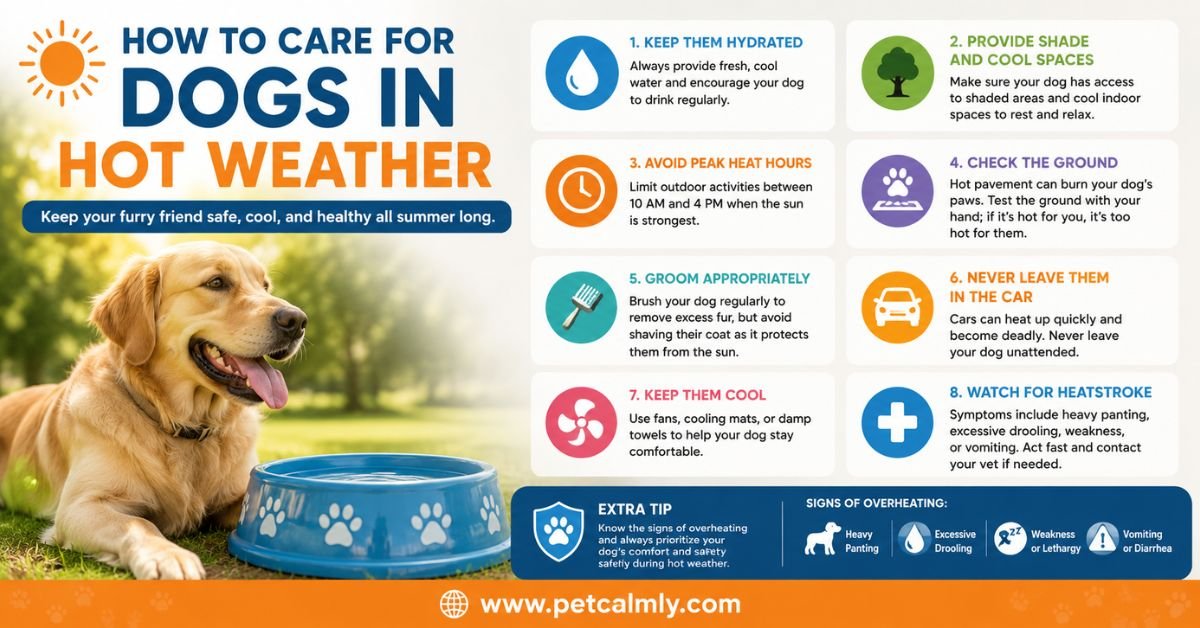
Safeguarding Canine Health During Peak Summer Temperatures
According to the American Veterinary Medical Association, rising seasonal temperatures present significant health risks to domestic animals, making proactive environmental management essential for canine well-being. As thermometers climb, canine guardians face the critical responsibility of adapting daily routines to protect animals from environmental heat stress. Dogs do not regulate body temperature in the same manner as humans; while humans rely extensively on widespread sweating across the skin, canines possess very few sweat glands, primarily located in their paw pads. This physiological limitation means that maintaining a safe internal temperature relies heavily on panting and behavioral adjustments. Understanding these thermal challenges allows owners to make informed adjustments to exercise schedules, housing conditions, and hydration strategies, ensuring that warm months remain safe and comfortable.
💡 Pet Care Key Takeaways:
- Core Focus: Practical health, nutrition, and wellness guidelines for Dog Care In Hot Weather.
- Target Scope: Pet owners, animal caregivers, and veterinary support staff.
- Best Recommendation: Maintain consistent daily routines and consult an accredited veterinarian before introducing major diet or medical changes.
Understanding Canine Thermoregulation and Heat Stress
Dog care in hot weather encompasses the comprehensive management of environmental and physiological factors that influence a canine’s ability to maintain a normal internal temperature. Thermoregulation refers to the physiological process by which the body balances heat production and heat loss. When ambient temperatures rise alongside high humidity, evaporative cooling through panting becomes significantly less efficient. Without proper environmental modifications, a canine’s core temperature can escalate rapidly, leading to hyperthermia—a dangerously elevated body temperature that requires urgent attention. Responsible summer management requires monitoring not just the air temperature, but also the heat index, surface radiation from asphalt, and access to well-ventilated, climate-controlled indoor spaces. Implementing these protective measures forms the foundation of sound Dog Care principles throughout the warmest months of the year.
The physiological impact of high temperatures on canine systems
Prolonged exposure to elevated thermal conditions places immense strain on a canine’s cardiovascular, respiratory, and neurological systems. As the body attempts to dissipate heat, blood vessels near the skin dilate to increase circulation, forcing the heart to work harder to maintain adequate blood pressure and oxygen delivery to vital organs. If body temperature continues to rise unchecked, cellular damage can occur, potentially resulting in multi-organ dysfunction or heatstroke—a critical medical emergency. Common early indicators of thermal strain include excessive panting, bright red gums, thick sticky saliva, lethargy, and an uncoordinated gait. Recognizing these warning signs promptly allows caregivers to intervene before minor heat stress escalates into a life-threatening crisis requiring immediate veterinary intervention.
High ambient temperatures combined with high humidity significantly reduce a dog’s primary cooling mechanism of evaporative panting, increasing susceptibility to heat-related illness. — American Veterinary Medical Association
Practical Strategies for Thermal Management and Hydration
Effective management of canine comfort during warm weather requires a deliberate restructuring of daily activities and home environments. Exercise routines must be shifted to the coolest parts of the day, such as early morning or late evening, avoiding peak solar intensity entirely. Pavement retains solar heat long after air temperatures drop, making the back of a hand a useful tool for testing surface warmth before letting an animal walk outside; if the pavement feels uncomfortably hot to human skin, it will burn sensitive paw pads. Fresh, cool drinking water must remain accessible in multiple locations at all times, and portable bowls are vital during outings. Maintaining optimal Dog Nutrition also plays a supporting role, as proper hydration and balanced meals help sustain general metabolic health during seasonal shifts.
Essential Best Practices and Common Summer Missteps
Protecting a canine companion during warm weather involves adhering to established safety guidelines while avoiding dangerous misconceptions. One critical rule is never leaving an animal unattended in a parked vehicle, even for a few minutes with the windows cracked, as interior temperatures can skyrocket to lethal levels within minutes. Caregivers should also avoid relying solely on outdoor shade structures during peak afternoon hours, as shifting sun angles and lack of cross-ventilation can trap heat. Grooming choices require careful thought; while shaving a double-coated breed might seem helpful, a dog’s coat actually provides natural insulation against both heat and sunburn. Instead, regular brushing to remove dead undercoat fur promotes better air circulation through the hair shafts, supporting natural cooling without compromising skin protection.
Interior vehicle temperatures can rise rapidly within minutes, even when outside temperatures are moderate and vehicle windows are partially open. — American Society for the Prevention of Cruelty to Animals
Pet Care & Wellness Overview Table
| Life Stage | Daily Activity Level | Key Nutrition / Care Focus |
|---|---|---|
| Puppy / Kitten | High (frequent short bursts) | High-protein growth diet & early socialization |
| Adult Companion | Moderate (30–60 mins daily) | Balanced maintenance nutrition & dental hygiene |
| Senior Pets | Low to Gentle (mindful walks) | Joint support (Glucosamine) & routine vet checks |
Images References


Breed, Age, Size, and Physical Predispositions to Heat
Individual susceptibility to heat stress varies dramatically based on breed architecture, age, physical conditioning, and underlying medical status. Brachycephalic breeds—dogs with shortened facial structures such as Bulldogs, Pugs, and Boxers—face severely compromised respiratory tracts that make efficient panting nearly impossible, placing them at an exceptionally high risk for heat-related illnesses. Heavy-coated northern breeds, senior dogs with diminished cardiovascular reserves, overweight animals carrying excess insulating fat, and puppies with immature thermoregulatory systems also require heightened vigilance. Exploring specific Dog Breeds characteristics helps owners identify unique physiological vulnerabilities and tailor environmental precautions accordingly. No single management strategy fits every animal, and individual health profiles must guide summer safety protocols.
When to Seek Veterinary Assistance for Heat-Related Concerns
Immediate veterinary consultation is mandatory if a dog exhibits signs of severe heat stress, heatstroke, collapse, uncontrolled vomiting, or neurological disorientation. Caregivers suspecting heatstroke should contact a veterinary clinic immediately while moving the animal to an air-conditioned environment. While en route, applying cool—not ice-cold—water to the paw pads and groin area can help lower body temperature gradually, but caregivers must avoid immersing the animal in ice water or forcing fluids into the mouth, as these actions can induce shock or aspiration pneumonia. For persistent behavioral changes associated with environmental stress or confinement, consulting resources on Dog Behavior can provide humane, science-based guidance to keep animals calm and secure during unusual weather events.
Conclusion and Additional Resources
Safeguarding canines through high-temperature conditions demands constant awareness, environmental adjustments, and a thorough understanding of physiological limits. By prioritizing hydration, modifying exercise routines, and recognizing early warning signs of thermal distress, owners ensure safer, more enjoyable seasons for their animal companions. Explore further expert guidance across various topics at PetsAnimalsWorld.com, including specialized insights into Dog Health and Dog Training to support comprehensive pet parenthood year-round.


