Understanding the Financial Safeguards of Dog Care Insurance
Navigating veterinary expenses requires careful financial planning to ensure that unexpected medical emergencies never compromise the quality of a canine companion’s life. According to the American Animal Hospital Association, unexpected veterinary costs frequently present difficult choices for households when pets face sudden illness or injury. Implementing a financial safety net through pet medical coverage allows families to make treatment decisions based primarily on clinical recommendations rather than budgetary constraints. Maintaining robust Dog Health protocols becomes significantly more manageable when protection policies help mitigate the high cost of diagnostics, surgeries, and specialized therapies.
💡 Pet Care Key Takeaways:
- Core Focus: Practical health, nutrition, and wellness guidelines for Dog Care Insurance.
- Target Scope: Pet owners, animal caregivers, and veterinary support staff.
- Best Recommendation: Maintain consistent daily routines and consult an accredited veterinarian before introducing major diet or medical changes.
Defining Medical Policies for Canine Companions
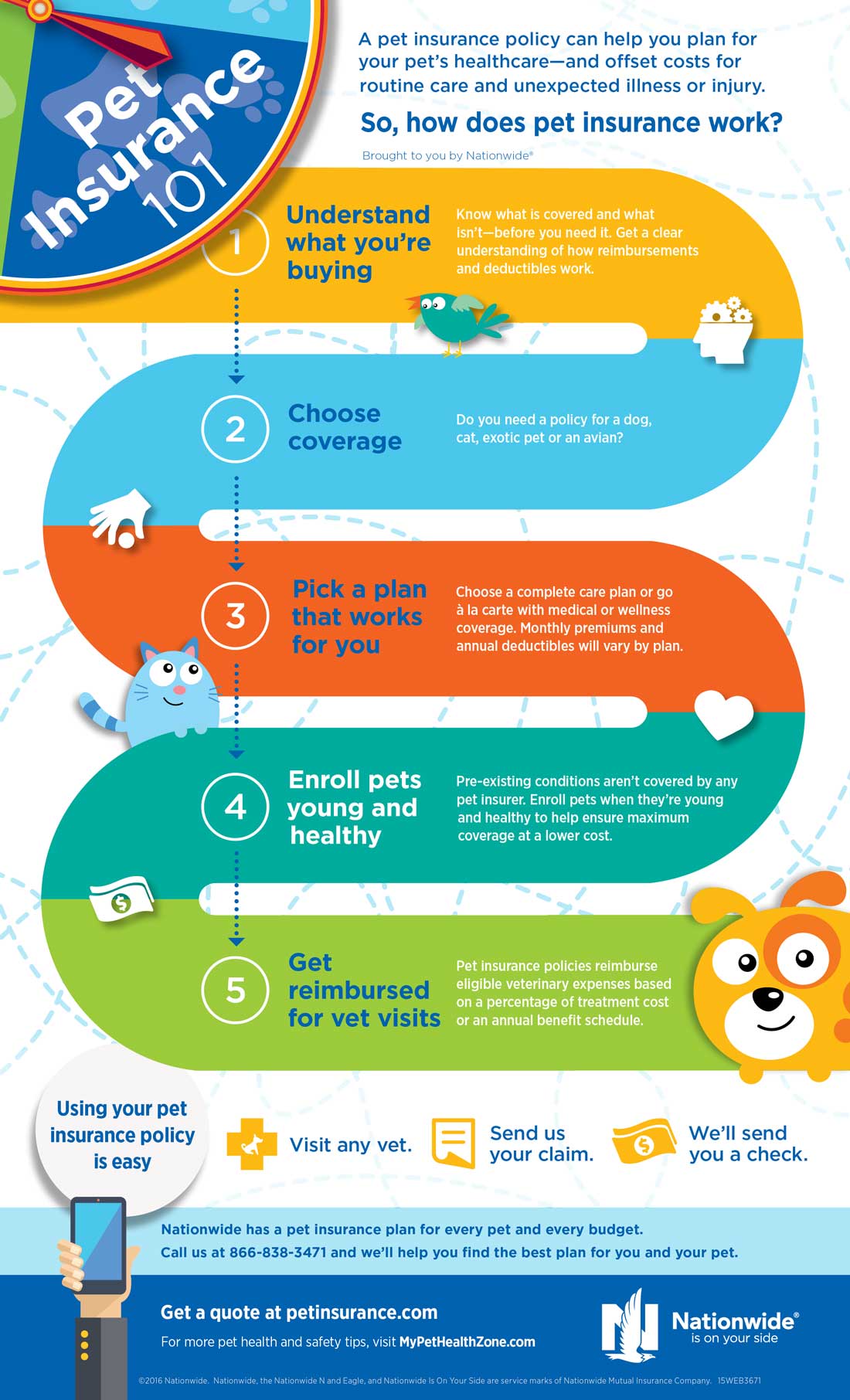
Dog care insurance functions as a risk-management tool designed to reimburse owners for a significant portion of veterinary expenses incurred due to accidents, illnesses, and sometimes routine wellness care. Policies typically operate on a reimbursement model where the policyholder pays the veterinarian directly at the time of service and submits a claim for a designated percentage back, subject to deductibles and annual limits. Understanding the distinction between accident-only plans, accident-and-illness policies, and comprehensive wellness additions helps owners select coverage that aligns with specific risk tolerances and household budgets. Premium costs generally fluctuate based on factors such as the chosen deductible, reimbursement rate, annual maximum payout, and the geographic location of the veterinary practice.
Managing Lifetime Health and Wellness Costs
Comprehensive medical coverage directly influences how owners approach preventative medicine, chronic condition management, and diagnostic testing throughout a dog’s lifespan. When financial anxiety is reduced regarding diagnostic imaging, blood panels, or specialist referrals, veterinary teams can investigate subtle symptoms earlier and more thoroughly. This proactive approach supports better long-term outcomes for conditions ranging from endocrine disorders to orthopedic injuries, promoting sustained vitality from puppyhood through senior years. Responsible oversight in daily routines, proper nutrition, and regular physical exercise remain essential, working in tandem with financial protection to secure optimal welfare. Effective integration of these elements supports comprehensive Dog Care strategies that prioritize both preventive wellness and emergency preparedness.
Veterinary medical coverage helps households manage unforeseen expenses related to sudden accidents and chronic illnesses. — American Veterinary Medical Association
Evaluating Policy Terms and Selecting Coverage
Selecting appropriate protection requires careful examination of policy exclusions, waiting periods, and pre-existing condition clauses before enrollment. Most providers enforce a waiting period after policy activation during which certain conditions, such as cruciate ligament injuries, may not be eligible for immediate reimbursement. Comparing multiple providers ensures that policyholders understand how hereditary conditions, congenital disorders, and dental treatments are handled within different contractual frameworks. Regular policy reviews help owners adjust coverage levels as dogs transition through different life stages, ensuring that protection remains adequate as veterinary expenses evolve.
Best Practices and Common Pitfalls in Policy Selection
Avoiding common misunderstandings about reimbursement calculations and claim procedures ensures a smoother experience when veterinary care is required. One frequent oversight involves assuming that routine preventative measures like vaccinations and parasite control are included in standard accident-and-illness tiers, whereas these often require separate wellness riders. Policyholders should verify whether annual deductibles operate on a per-incident basis or an annual cumulative basis, as this structure significantly impacts out-of-pocket expenses during years with multiple health events. Maintaining organized records of all veterinary visits, vaccination histories, and previous medical notes streamlines the underwriting and claim submission processes considerably.
Reviewing policy exclusions and waiting periods before enrollment prevents unexpected claim denials during veterinary emergencies. — North American Pet Health Insurance Association
Pet Care & Wellness Overview Table
| Life Stage | Daily Activity Level | Key Nutrition / Care Focus |
|---|---|---|
| Puppy / Kitten | High (frequent short bursts) | High-protein growth diet & early socialization |
| Adult Companion | Moderate (30–60 mins daily) | Balanced maintenance nutrition & dental hygiene |
| Senior Pets | Low to Gentle (mindful walks) | Joint support (Glucosamine) & routine vet checks |
Images References





Breed, Age, and Size Variables in Policy Pricing
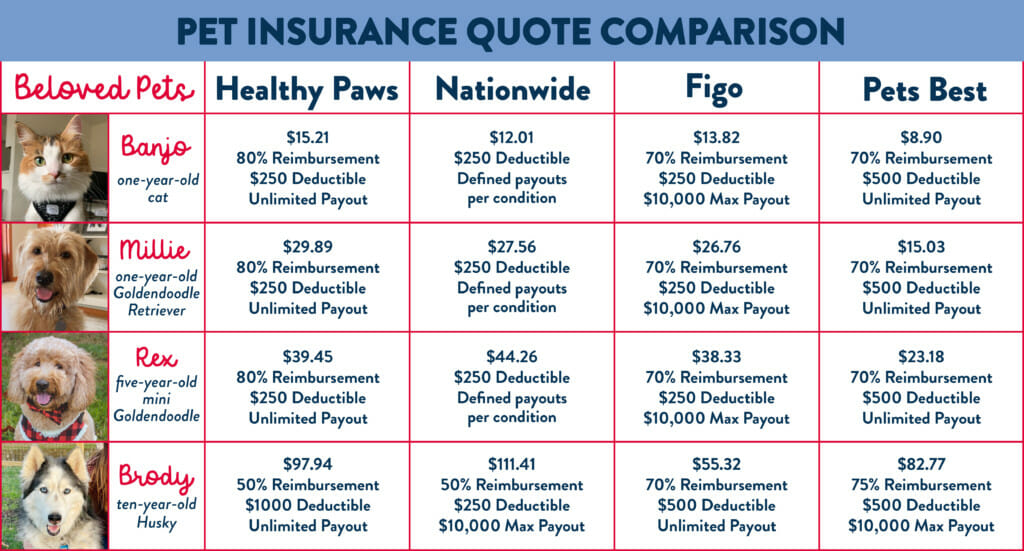
Insurance providers evaluate distinct physiological characteristics when calculating monthly premiums, reflecting the varying healthcare needs associated with different physical forms. Specific Dog Breeds may carry higher baseline premiums due to a genetic predisposition toward specific conditions, such as hip dysplasia in large-breed dogs or respiratory issues in brachycephalic conformations. Age also plays a decisive role, as premiums typically increase incrementally each year to account for the heightened statistical probability of age-related illnesses. Evaluating these variables prior to adoption helps prospective owners anticipate long-term financial commitments associated with safeguarding a specific companion’s health.
When to Consult a Veterinary Professional
Consulting a licensed veterinarian remains essential for diagnosing health conditions, establishing baseline wellness profiles, and determining appropriate treatment pathways regardless of insurance coverage status. For suspected poisoning, difficulty breathing, seizures, collapse, severe bleeding, or other potentially urgent conditions, owners must seek immediate veterinary care without delay. Professional clinical examinations ensure accurate diagnosis and appropriate intervention, while also providing the necessary documentation required by insurance providers to substantiate reimbursement claims. Guidance from a qualified veterinary team ensures that every medical decision prioritizes the safety, comfort, and recovery of the animal.
Conclusion
Integrating financial protection into a comprehensive ownership strategy provides invaluable peace of mind when unexpected medical challenges arise. By understanding how policy structures, breed characteristics, and preventative health measures intersect, owners can make informed decisions that safeguard both animal welfare and household stability. Exploring resources available through PetsAnimalsWorld.com, including insights on Dog Training and general wellness, supports a well-rounded approach to lifelong companionship. Read more articles to enhance knowledge on canine well-being and responsible pet ownership today.