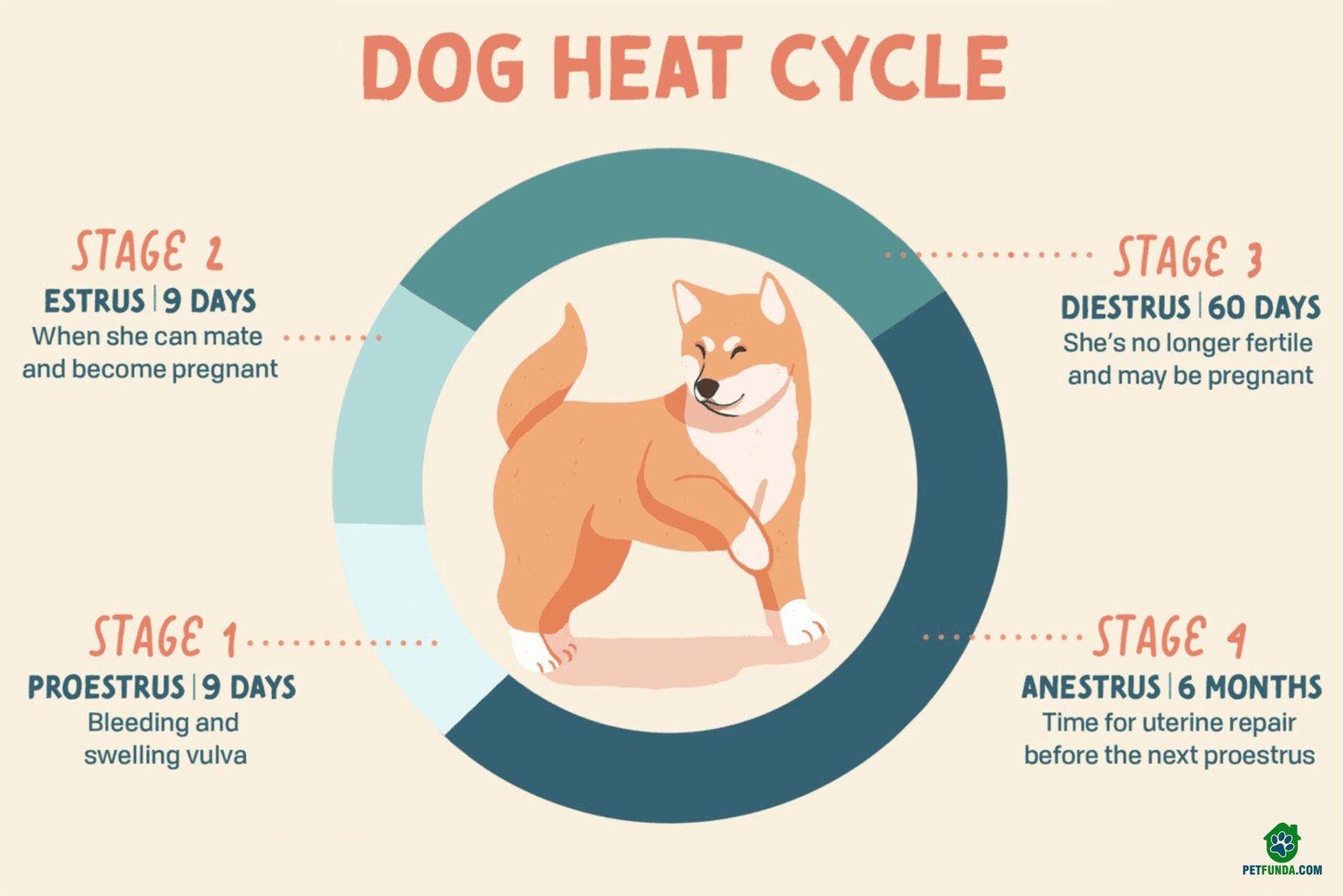
Essential Foundations of Dog Care in Jodhpur
Understanding regional environmental factors is crucial for maintaining the health and longevity of domestic canines in arid urban settings. According to the American Society for the Prevention of Cruelty to Animals (ASPCA), environmental management plays a pivotal role in protecting companion animals from extreme weather conditions and seasonal hazards. Raising a healthy dog in the majestic Blue City requires specific adjustments to daily routines, dietary management, and preventive veterinary medicine. Jodhpur features a hot desert climate characterized by soaring summer temperatures, minimal rainfall, and dry winds. These distinctive geographical conditions directly influence hydration requirements, paw pad safety, and outdoor exercise schedules for all resident dogs.
💡 Pet Care Key Takeaways:
- Core Focus: Practical health, nutrition, and wellness guidelines for Dog Care Jodhpur.
- Target Scope: Pet owners, animal caregivers, and veterinary support staff.
- Best Recommendation: Maintain consistent daily routines and consult an accredited veterinarian before introducing major diet or medical changes.
Understanding Regional Requirements for Canine Wellness
Dog care jodhpur encompasses tailored husbandry practices designed to protect pets from heat-related illnesses and environmental stressors unique to the Thar Desert periphery. Ambient temperatures during peak summer months can easily surpass forty degrees Celsius, turning outdoor concrete surfaces into burning hazards for sensitive paw pads. Canine physiology handles heat dissipation primarily through panting and limited sweat glands located in the paw pads, making desert climates particularly challenging for thick-coated or brachycephalic breeds. Maintaining optimal wellness in this region demands a proactive approach to environmental modification, parasite control, and continuous access to fresh, cool water sources throughout the day. For more related activities, check out our Dog Care In Hot Weather.
Managing Heat Stress and Environmental Risks in the Desert Climate
Extreme thermal stress remains one of the most pressing health challenges for dogs residing in arid regions, requiring vigilant monitoring for signs of hyperthermia. Hyperthermia, a dangerously high body temperature occurring when thermoregulation fails, can lead to organ dysfunction or collapse if immediate action is not taken. Walking dogs during early morning hours or late evenings helps prevent thermal burns and dangerous heatstroke. Providing shaded resting areas with adequate ventilation is essential for indoor and outdoor housing arrangements alike.
High ambient temperatures and radiant heat from pavement significantly increase the risk of heat exhaustion and paw pad burns in urban canine populations. — American Veterinary Medical Association
Furthermore, seasonal vector-borne diseases transmitted by ticks and fleas demand strict preventive schedules, as warm climates favor rapid parasite reproduction. Regular grooming and veterinary-approved prophylactic treatments safeguard the skin and coat from persistent external parasites thriving in dry, sandy environments.
Practical Strategies for Daily Canine Management
Implementing structured daily routines ensures that dietary, physical, and mental stimulation needs are met safely despite regional temperature extremes. Interactive indoor puzzle toys and scent games provide excellent mental enrichment when outdoor excursions must be restricted due to midday heat. Proper nutrition tailored to local activity levels helps prevent obesity while sustaining energy during cooler exercise windows.
Best Practices and Common Mistakes to Avoid
Pet guardians often make the mistake of assuming all dog breeds tolerate intense sunlight equally well, failing to recognize the vulnerability of single-coated or light-skinned individuals. Protecting the skin with pet-safe sunscreens on exposed areas like the bridge of the nose prevents sunburn and long-term dermatological issues. Another frequent error involves restricting water intake during travel; hydration must remain constant and accessible at all times.
Providing continuous access to clean water and shaded resting zones is a foundational requirement for preventing dehydration and heat-related emergencies in warm climates. — American Kennel Club
Pet Care & Wellness Overview Table
| Life Stage | Daily Activity Level | Key Nutrition / Care Focus |
|---|---|---|
| Puppy / Kitten | High (frequent short bursts) | High-protein growth diet & early socialization |
| Adult Companion | Moderate (30–60 mins daily) | Balanced maintenance nutrition & dental hygiene |
| Senior Pets | Low to Gentle (mindful walks) | Joint support (Glucosamine) & routine vet checks |
Images References





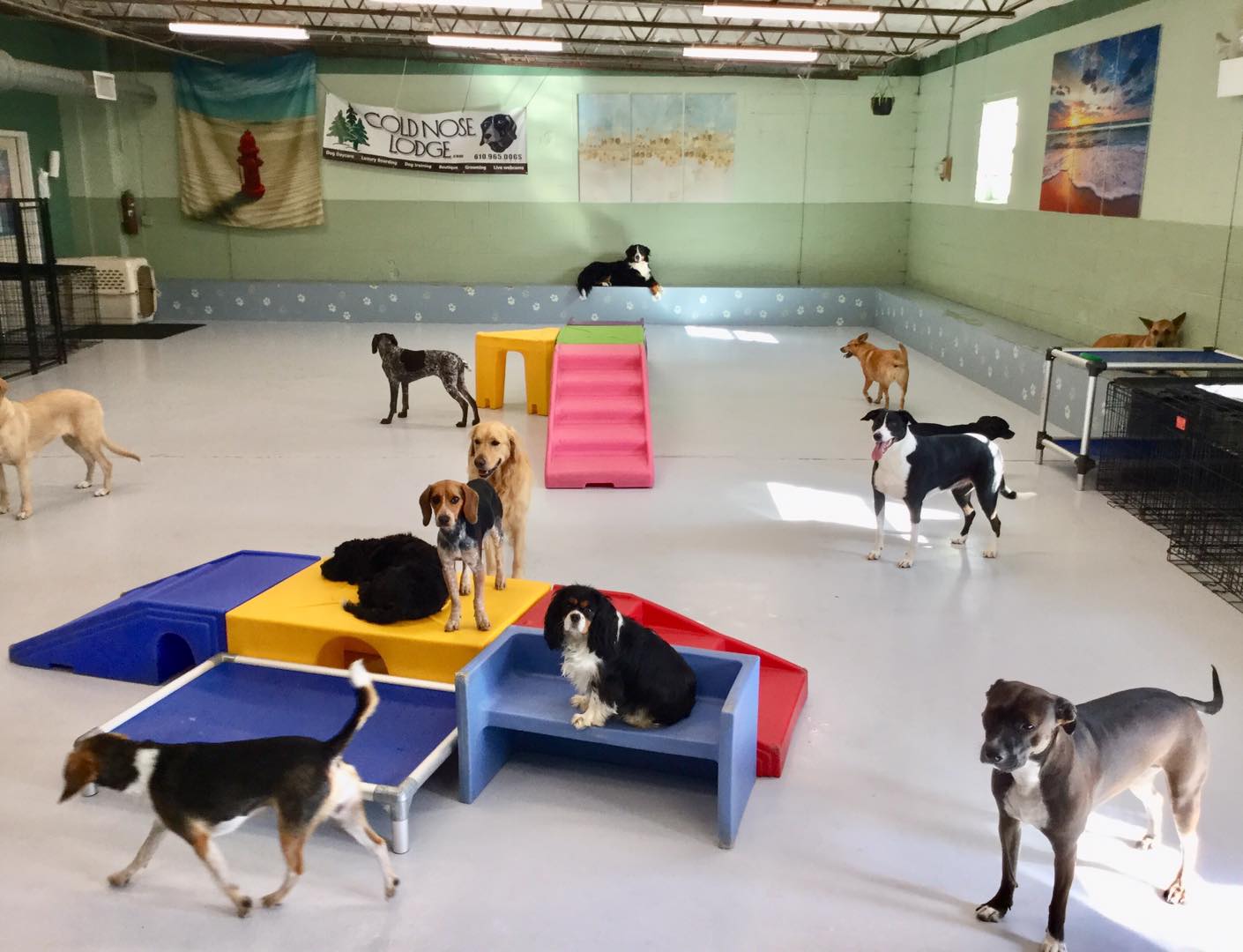



Establishing a reliable relationship with a trusted local veterinarian ensures timely vaccinations, deworming protocols, and prompt intervention should unexpected health concerns arise.
Breed Adaptability and Individual Temperament Considerations
Selecting or caring for specific breeds in Jodhpur requires careful evaluation of coat type, cranial structure, and historical adaptation to warm environments. Native Indian pariah dogs and regional crosses frequently display high resilience to local thermal conditions, whereas heavy double-coated northern breeds face substantial physiological stress. Understanding individual temperament helps design appropriate socialization and obedience regimens that respect the unique psychological makeup of each companion animal. Proper management acknowledges that mental well-being is just as vital as physical conditioning for a balanced, contented household pet.
When to Consult a Veterinary Professional
Professional veterinary guidance remains indispensable whenever a dog exhibits persistent lethargy, vomiting, refusal to eat, or signs of acute distress. For suspected poisoning, difficulty breathing, seizures, collapse, severe bleeding, or other potentially urgent conditions, clearly recommend immediate veterinary care as appropriate. Never attempt to use unverified home remedies or human medications, as substances safe for humans can prove toxic to domestic canines. Routine wellness examinations allow practitioners to catch subtle physiological shifts before they develop into complex medical emergencies.
Closing Guidance on Local Canine Husbandry
Committed guardians can ensure a high quality of life for their canine companions by blending attentive daily management with professional veterinary insight. Exploring resources on Dog Care, Dog Health, and Dog Nutrition expands knowledge and haps foster responsible ownership. Visit PetsAnimalsWorld.com for continuous educational updates and expert guidance tailored to every stage of a dog’s life.