
Understanding the concept of a dog care license and municipal pet regulations
A dog care license represents an official municipal authorization or certification framework designed to ensure that canines reside in safe environments while upholding public health standards. According to the American Society for the Prevention of Cruelty to Animals (ASPCA), municipal licensing programs help local authorities manage animal populations, reunite lost companions with families, and fund vital community animal welfare services. Navigating these requirements involves understanding local laws, maintaining up-to-date vaccinations, and adhering to responsible pet ownership guidelines that benefit both neighborhoods and individual households. Dogs frequently demonstrate deep loyalty and complex social needs, making structured oversight a logical extension of keeping communities harmonious. As municipal codes evolve, pet owners must stay informed about regional mandates regarding permits, vaccinations, and public safety standards.
💡 Pet Care Key Takeaways:
- Core Focus: Practical health, nutrition, and wellness guidelines for Dog Care License.
- Target Scope: Pet owners, animal caregivers, and veterinary support staff.
- Best Recommendation: Maintain consistent daily routines and consult an accredited veterinarian before introducing major diet or medical changes.
Defining the requirements and structure of a dog care license
A dog care license typically encompasses proof of current rabies vaccination, municipal registration fees, and sometimes verification of spay or neuter status depending on local ordinances. This administrative process creates a traceable record for every registered animal, supporting public safety initiatives and efficient animal control operations. While some jurisdictions utilize the term broadly to describe mandatory pet ownership permits, others apply it specifically to commercial breeding, boarding facilities, or professional training establishments. Standard domestic pet licensing remains the most common form encountered by average households, requiring simple annual or multi-year renewals through local government animal services departments. Compliance with these structural frameworks ensures that municipalities can accurately track pet populations and enforce humane standards effectively.
Community health and behavioral impacts of regulated pet ownership
Mandatory licensing systems directly influence community health standards by ensuring that all registered pets maintain current protection against dangerous zoonotic diseases like rabies. When local authorities verify vaccination status during the registration process, the overall epidemiological safety of the neighborhood improves significantly. Furthermore, registered pets are much more likely to be returned swiftly if lost, reducing stress for both the animal and the family. Implementing these regulatory structures encourages proactive veterinary care and reinforces the importance of routine wellness examinations. Educational outreach programs often accompany municipal licensing initiatives, guiding owners toward appropriate Dog Health practices and preventative medicine.
Universal rabies vaccination verification during municipal license renewal protects both human and animal populations from fatal viral transmission — American Veterinary Medical Association
Securing and maintaining valid documentation requires gathering relevant veterinary records, completing application forms, and submitting the appropriate fees to the local municipality. Owners should initiate this process shortly after welcoming a new puppy or adopting an adult dog, keeping in mind that many jurisdictions enforce strict timelines for initial registration. Renewal reminders typically arrive annually, though permanent tags or microchip-linked registrations are becoming more prevalent in modern municipal planning. Maintaining organized folders containing proof of immunization and registration tags ensures a seamless renewal experience without administrative delays.
Best practices and common administrative oversights to avoid
Proactive planning prevents common pitfalls such as lapsed renewals, missed vaccination windows, and failure to update contact information when relocating. Maintaining reliable organization regarding renewal dates prevents unnecessary municipal fines and ensures uninterrupted legal compliance. Owners should remember to attach the physical tag securely to the collar, as visible licensing tags provide an immediate identifier for animal control officers or neighbors if a dog wanders off.
Prompt updating of contact details with municipal licensing registries dramatically increases the likelihood of a safe, rapid return if a pet becomes lost — American Kennel Club
Pet Care & Wellness Overview Table
| Life Stage | Daily Activity Level | Key Nutrition / Care Focus |
|---|---|---|
| Puppy / Kitten | High (frequent short bursts) | High-protein growth diet & early socialization |
| Adult Companion | Moderate (30–60 mins daily) | Balanced maintenance nutrition & dental hygiene |
| Senior Pets | Low to Gentle (mindful walks) | Joint support (Glucosamine) & routine vet checks |
Images References


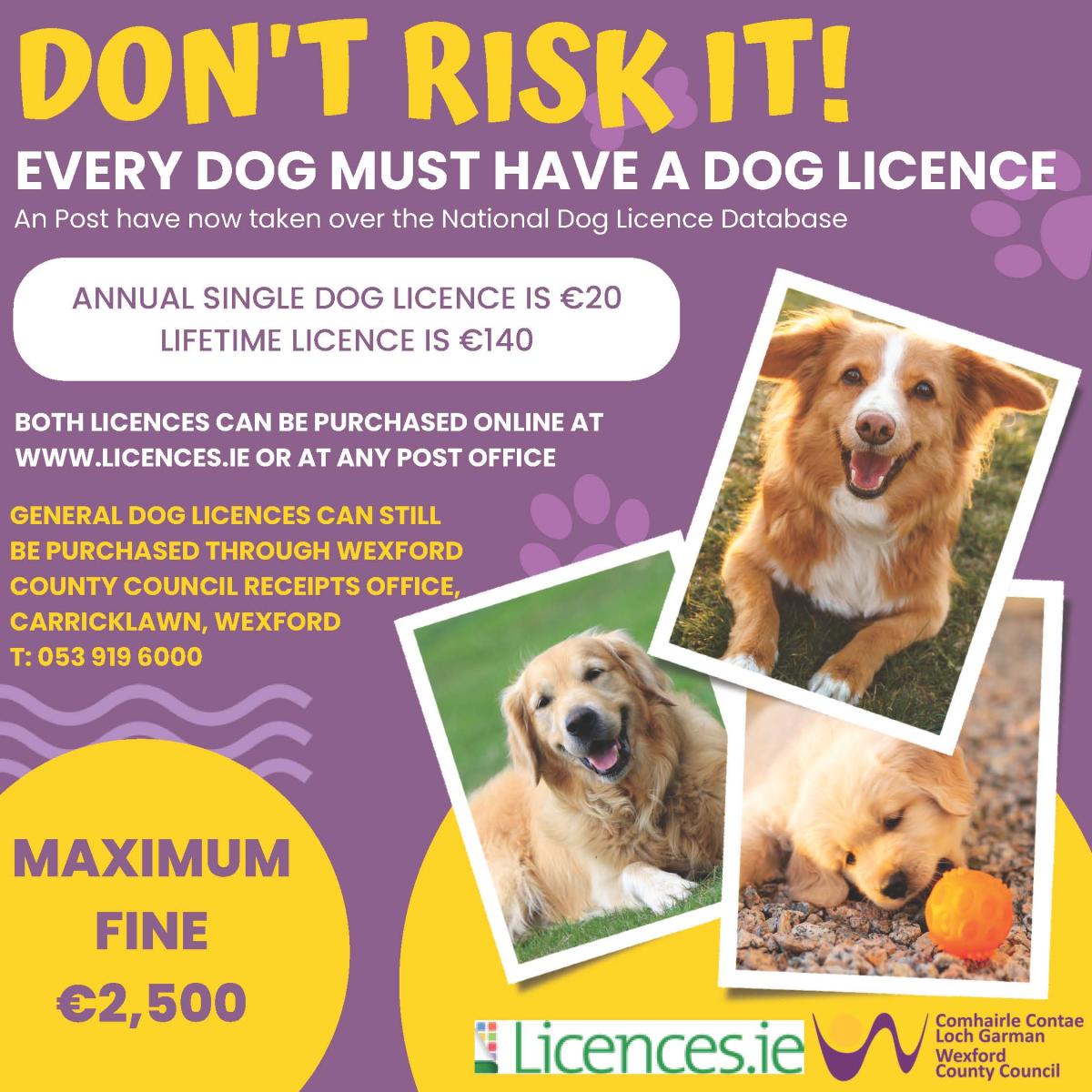

Adapting regulatory compliance for different breeds, ages, and temperaments
Different age groups, such as growing puppies versus senior dogs, often require adjusted vaccination schedules prior to license renewal, underscoring the importance of coordinating local administrative timelines with professional veterinary guidance. While standard municipal permits apply broadly to all domesticated canines, specific working breeds, guard dogs, or rescue animals with unique behavioral backgrounds may involve specialized local oversight. For instance, dogs exhibiting fear or reactivity require careful environmental management, and certified trainers focusing on Dog Training can help these animals navigate public spaces calmly and safely. Integrating proper socialization with legal compliance ensures that every dog, regardless of breed or temperament, thrives within community standards.
When to consult a veterinarian or professional animal behaviorist
Consulting a licensed veterinarian or a qualified professional behaviorist becomes essential whenever an animal exhibits persistent anxiety, sudden health changes, or severe behavioral distress during public outings or administrative visits. For complex behavioral concerns such as intense fear, reactivity, or aggression, owners should always seek guidance from professionals who utilize humane, positive reinforcement methods rather than punitive correction. Furthermore, discussing vaccine schedules and health clearances with a veterinarian ensures that dogs meet all prerequisite standards required for municipal licensing and community integration.
Ensuring lifelong community compliance and responsible companionship
Navigating municipal regulations and maintaining proper documentation reflects a commitment to community safety and exceptional animal welfare standards. By staying informed about local ordinances, owners protect their companions while contributing to a supportive neighborhood environment. Explore further insights on Dog Care and related topics to support a healthy lifestyle for your companion. Visit PetsAnimalsWorld.com today for comprehensive resources dedicated to responsible pet ownership.


