
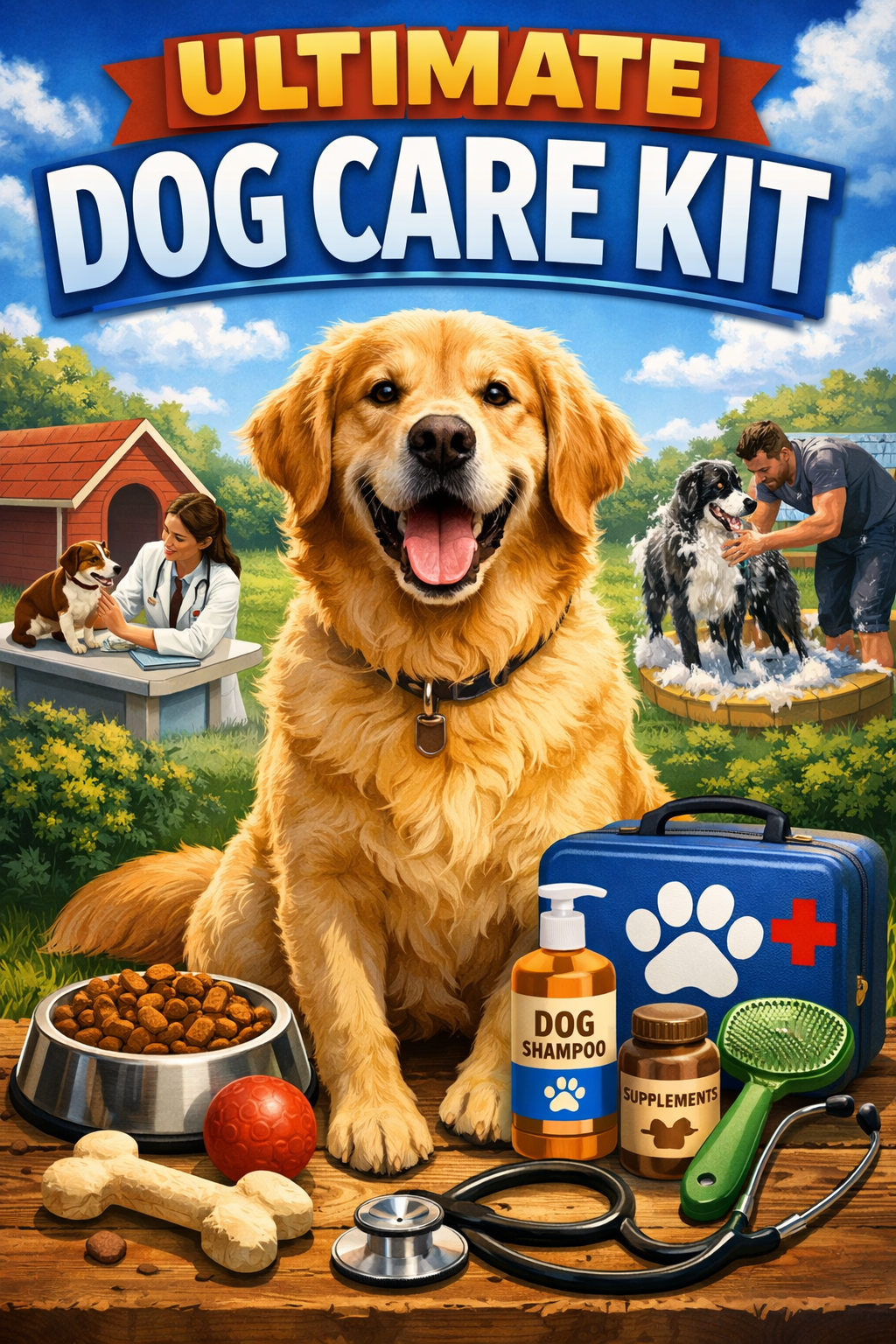
Preparing for Everyday Canine Needs With a Well-Stocked Dog Care Kit
According to the American Veterinary Medical Association, proactive preparation for routine hygiene, minor injuries, and everyday management helps maintain canine well-being and reduces response times during minor household incidents. Keeping a comprehensive dog care kit readily available allows household members to address minor scrapes, manage routine grooming, and support general maintenance without scrambling for supplies. Dogs often encounter minor burrs, muddy paws, or superficial scratches during daily outings, making an organized collection of utility tools an indispensable asset for responsible guardians. Establishing a dedicated storage station for these supplies ensures that everything from nail clippers to antiseptic wipes remains clean, organized, and ready for immediate deployment when routine maintenance or minor first aid is required.
💡 Pet Care Key Takeaways:
- Core Focus: Practical health, nutrition, and wellness guidelines for Dog Care Kit.
- Target Scope: Pet owners, animal caregivers, and veterinary support staff.
- Best Recommendation: Maintain consistent daily routines and consult an accredited veterinarian before introducing major diet or medical changes.
Essential Components of a Comprehensive Dog Care Kit
A complete dog care kit typically encompasses tools for hygiene, grooming, emergency identification, and minor first-aid management tailored to canine anatomy. Basic supplies usually feature blunt-ended bandage scissors, digital thermometers designed for rectal use, saline flush solutions, non-stick gauze pads, cohesive wrap, and styptic powder for minor nail bleeding. Beyond medical items, practical kits often integrate everyday utility tools such as a sturdy leash, collapsible water bowls, waste bags, and specialized grooming brushes suitable for specific coat types. Incorporating temporary identification tags, laminated emergency contact numbers for local veterinary hospitals, and copies of vaccination records ensures that caretakers remain fully prepared for unexpected travel or sudden household relocations. For more related activities, check out our Dog Care Jobs Nyc.
The Impact of Proper Preparation on Canine Health and Safety
Quick access to organized dog care supplies significantly diminishes stress for both the animal and the human handler during unexpected minor mishaps or routine maintenance sessions. When a dog sustains a minor superficial abrasion, immediate cleaning with sterile saline and temporary protection prevents dirt accumulation and lowers the likelihood of secondary bacterial skin infections. Furthermore, maintaining regular grooming habits using designated kit instruments helps guardians monitor the skin and coat for unusual lumps, parasites, or early signs of dermatological inflammation. Familiarizing the canine companion with these instruments through positive reinforcement reduces handling anxiety, transforming routine nail trims and ear checks into cooperative, stress-free interactions.
Routine inspection of paws, ears, and coats during grooming sessions allows caretakers to detect early signs of parasites, skin irritation, or foreign objects before they require intensive veterinary intervention. — American Kennel Club
Selecting, Organizing, and Maintaining Your Supply Arsenal
Assembling and maintaining an effective collection of utility and safety items involves selecting durable, water-resistant containers and regularly auditing expiration dates on topical ointments and medical solutions. Storing items in a clearly labeled, hard-shell plastic container protects the contents from moisture, dust, and accidental damage while ensuring portable convenience for travel or outdoor excursions. Caretakers should periodically inspect elastic bandages, adhesive tapes, and antiseptic wipes to replace expired or compromised materials before an unexpected need arises. Additionally, segregating grooming tools from first-aid supplies prevents cross-contamination and streamlines the process of locating specific items during urgent situations.
Best Practices, Common Mistakes, and Safe Handling Tips
Avoiding common oversights, such as utilizing human medications without professional guidance or neglecting routine equipment sanitation, ensures that the kit remains a safe and reliable resource. Human pain relievers, including ibuprofen and acetaminophen, are highly toxic to canines and should never be administered from household medicine cabinets without explicit veterinary direction. When handling a frightened or uncomfortable dog during minor first-aid procedures, utilizing a temporary muzzle or having a second person provide calm, reassuring distraction prevents accidental defensive biting. Regular disinfection of brushes, combs, and reusable tools prevents the accumulation of dander, bacteria, and fungal spores that could compromise skin health during subsequent grooming sessions.
Many common human over-the-counter medications and topical treatments can cause severe toxicity or organ damage in canines, making veterinary consultation essential prior to administering any substance. — ASPCA Animal Poison Control Center
Pet Care & Wellness Overview Table
| Life Stage | Daily Activity Level | Key Nutrition / Care Focus |
|---|---|---|
| Puppy / Kitten | High (frequent short bursts) | High-protein growth diet & early socialization |
| Adult Companion | Moderate (30–60 mins daily) | Balanced maintenance nutrition & dental hygiene |
| Senior Pets | Low to Gentle (mindful walks) | Joint support (Glucosamine) & routine vet checks |
Images References


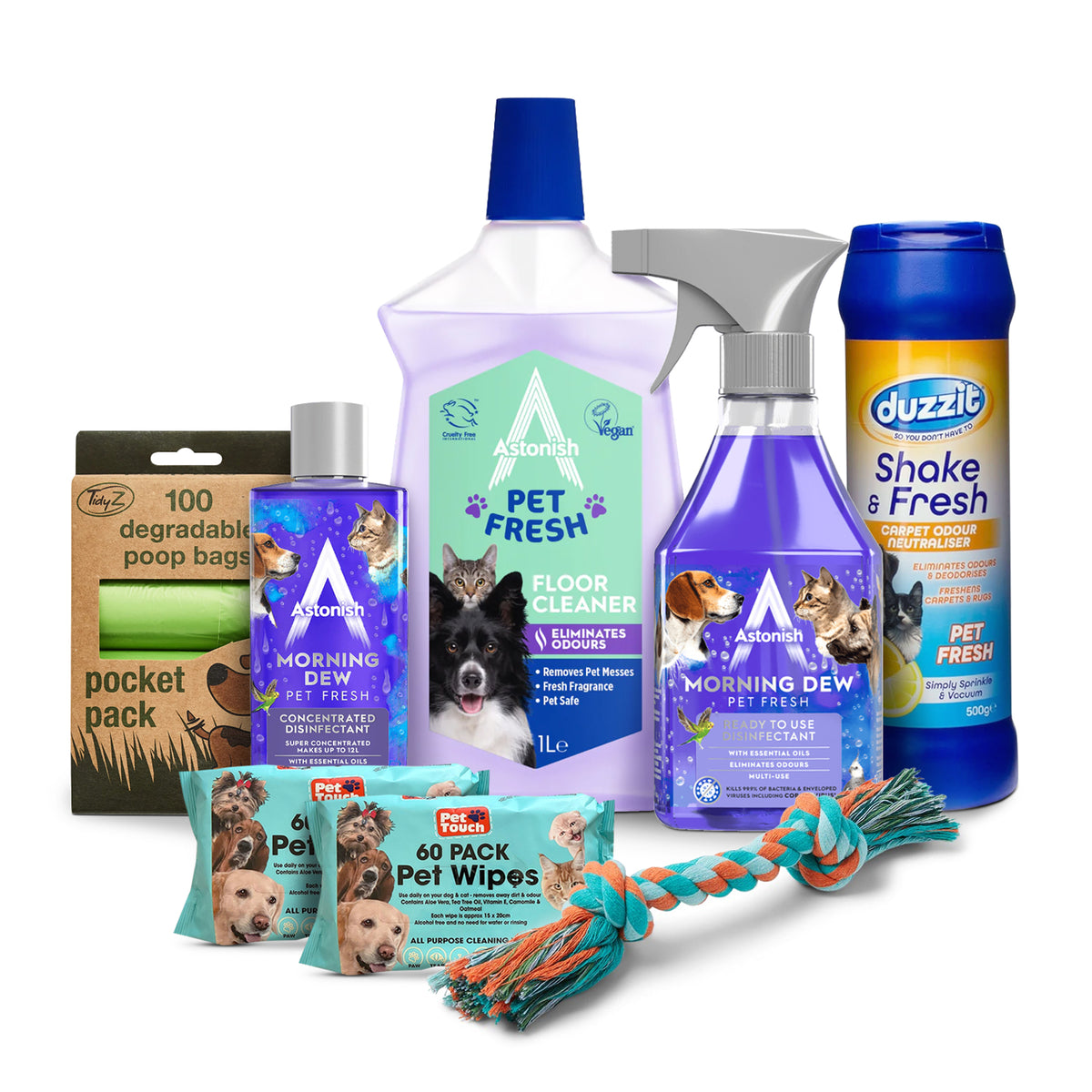

Tailoring Supply Collections for Breed, Age, and Size Variations
Customizing the contents of a canine utility collection to match specific physical characteristics ensures optimal functionality for distinct breeds, life stages, and coat types. Large and giant breeds often require heavier-duty nail grinders, wider orthopedic wraps, and larger volume saline rinses, whereas toy breeds benefit from miniature grooming combs and delicate flea combs. Senior dogs frequently need specialized supportive wraps, paw traction grips, and gentle, unscented wipes for sensitive skin, while high-energy sporting breeds require robust tick-removal tools and durable paw balms to protect against rough terrain. Understanding individual physical traits allows guardians to adapt their collection to address specific health and grooming requirements effectively.
When to Consult a Veterinary Professional
Home care kits serve strictly as resources for minor maintenance, routine grooming, and temporary stabilization before professional medical evaluation. For suspected poisoning, difficulty breathing, seizures, collapse, severe bleeding, or other potentially urgent conditions, guardians must seek immediate veterinary care without relying on home remedies or first-aid kit supplies. Persistent behavioral changes, chronic lameness, deep lacerations, or eye injuries always necessitate professional veterinary examination to establish an accurate diagnosis and appropriate treatment protocol. Attempting to manage complex medical issues with home supplies can delay essential interventions and worsen clinical outcomes for the animal.
Conclusion and Further Resources
Investing time in organizing and maintaining a comprehensive canine supply collection empowers guardians to handle everyday maintenance and minor mishaps with confidence and efficiency. Exploring related topics on PetsAnimalsWorld.com provides additional insights into canine well-being, helping caretakers expand their knowledge base beyond basic supplies. Deepening understanding through dedicated guides on Dog Health, Dog Training, and Dog Nutrition ensures a well-rounded approach to lifelong canine companionship and responsible pet ownership.


