
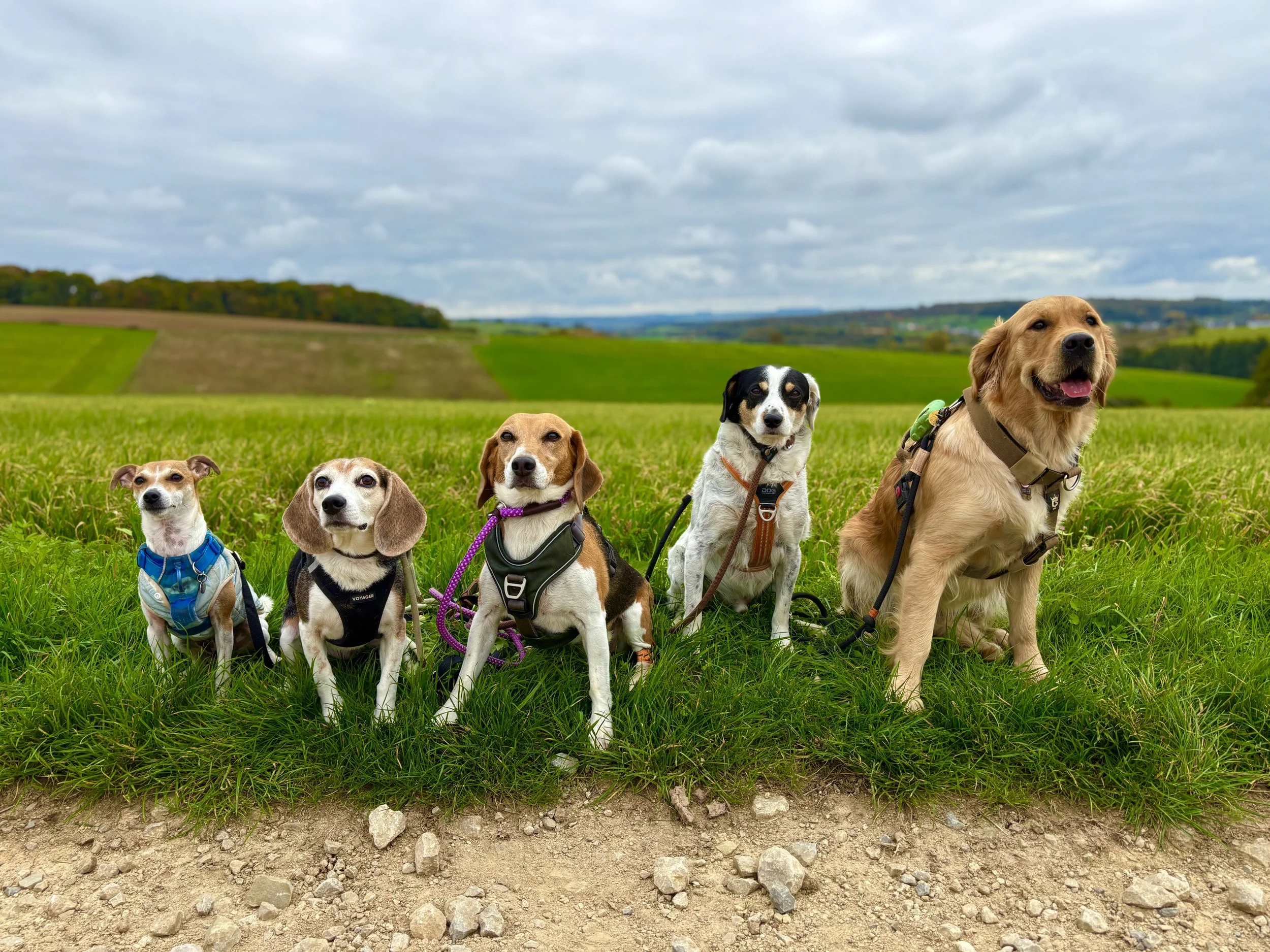
Understanding the Landscape of Canine Welfare in Luxembourg
Providing comprehensive care for a canine companion requires an understanding of the local environment, legal framework, and available resources. According to the World Health Organization (WHO), responsible pet ownership involves meeting the physical, social, and behavioral needs of animals throughout their lifespan. In a country like Luxembourg, where urban living often intersects with accessible green spaces, dog care encompasses everything from adhering to municipal leash laws to ensuring appropriate veterinary preventative medicine. Navigating these requirements ensures that dogs lead healthy, fulfilling lives while integrating seamlessly into the local community.
💡 Pet Care Key Takeaways:
- Core Focus: Practical health, nutrition, and wellness guidelines for Dog Care Luxembourg.
- Target Scope: Pet owners, animal caregivers, and veterinary support staff.
- Best Recommendation: Maintain consistent daily routines and consult an accredited veterinarian before introducing major diet or medical changes.
Defining the Pillars of Dog Care Luxembourg
Dog care in Luxembourg refers to the holistic management of a canine’s health, social integration, and legal compliance within the Grand Duchy. This includes registration with the national database, which is a mandatory requirement for all dogs residing in the country. Beyond legal obligations, the standard of care involves selecting appropriate nutrition, maintaining a consistent exercise regimen, and scheduling routine visits with a local veterinarian. Because Luxembourg offers diverse terrain, ranging from dense forests in the north to paved urban centers in the capital, owners must adapt their care routines to mitigate risks such as seasonal parasites, traffic safety, and temperature fluctuations.
The Impact of Environment on Canine Well-being
Environmental factors significantly influence the daily health and behavioral needs of dogs living in Luxembourg. The country experiences distinct seasonal changes, necessitating adjustments in grooming and exercise to prevent issues such as paw irritation from road salt in winter or heat-related exhaustion during summer months. Furthermore, social integration is a critical component of canine welfare; dogs are generally welcomed in many public spaces, provided they remain calm and under control. Proper socialization and exposure to various stimuli in a controlled manner are essential for preventing the development of anxiety or reactive behaviors in public settings.
Proper socialization involves exposing a dog to new environments, sounds, and other animals in a positive, non-threatening manner to build confidence. — American Veterinary Medical Association
Managing Daily Needs and Public Integration
Effective management of a dog’s life in Luxembourg relies on consistency and proactive planning. Training should focus on positive reinforcement—a method that uses rewards to encourage desired behaviors—to ensure the dog remains responsive to commands in public areas. Owners are encouraged to prioritize Dog Training to establish clear communication, which is vital when navigating busy parks or public transport. Additionally, maintaining updated health records, including proof of rabies vaccination, is essential for travel and boarding, as these documents are frequently requested by local authorities and service providers.
Best Practices for Responsible Ownership
To maintain high standards of Dog Care, owners should avoid common pitfalls such as over-reliance on off-leash play in non-designated areas or neglecting the importance of regular parasite prevention. Tick-borne diseases, for instance, are a known concern in wooded regions of Europe, making consistent preventative treatment a necessity rather than an option. Always consult with a veterinarian to determine the most appropriate parasite control schedule based on the individual dog’s lifestyle and local exposure risks. Consistency in daily routines, such as feeding times and exercise duration, further stabilizes a dog’s behavioral health, providing a sense of security and predictability.
Regular veterinary examinations are essential for the early detection of underlying health conditions that may not be immediately apparent to the owner. — American Kennel Club
Pet Care & Wellness Overview Table
| Life Stage | Daily Activity Level | Key Nutrition / Care Focus |
|---|---|---|
| Puppy / Kitten | High (frequent short bursts) | High-protein growth diet & early socialization |
| Adult Companion | Moderate (30–60 mins daily) | Balanced maintenance nutrition & dental hygiene |
| Senior Pets | Low to Gentle (mindful walks) | Joint support (Glucosamine) & routine vet checks |
Images References



Considering Individual Variations in Care
Every dog has unique requirements based on its breed, age, and individual health status. A high-energy working breed will have different exercise demands compared to a senior dog with mobility limitations. When exploring Dog Breeds, prospective owners should research specific physiological traits that might influence care, such as susceptibility to certain genetic conditions or specific coat maintenance needs. In a climate like Luxembourg, owners of brachycephalic breeds—dogs with shortened muzzles—must exercise extra caution during warmer months, as these animals often struggle with thermoregulation and are at higher risk for heatstroke.
When to Seek Professional Veterinary or Behavioral Guidance
Professional consultation is necessary when an owner notices persistent changes in a dog’s health or behavior that fall outside the norm. Signs such as lethargy, loss of appetite, unexplained aggression, or extreme fear require an assessment by a qualified veterinarian or a certified behaviorist. Do not attempt to manage severe behavioral issues or medical emergencies without professional input. For urgent concerns like difficulty breathing, seizures, or signs of poisoning, immediate veterinary intervention is required. Relying on qualified professionals ensures that care is evidence-based and tailored to the specific needs of the animal, preventing the escalation of manageable issues into chronic problems.
Supporting Canine Health and Happiness
Ensuring a high quality of life for a dog in Luxembourg involves a commitment to ongoing learning and adaptation. By staying informed about local regulations, prioritizing preventative Dog Health, and utilizing positive reinforcement, owners can foster a strong, trusting bond with their pets. Whether addressing nutritional needs or refining training techniques, the goal remains the same: to provide a stable, safe, and enriching environment. For further guidance on maintaining your dog’s well-being and exploring expert resources, visit PetsAnimalsWorld.com, where you can find comprehensive information on Dog Nutrition and other essential aspects of pet ownership. Every step taken toward proactive care contributes to a long, happy life for your canine companion.


