

Evaluating the Role of a Quality Dog Care Kennel in Modern Canine Management
Finding a reliable temporary housing solution is a crucial aspect of responsible pet guardianship, particularly when travel, work obligations, or unexpected emergencies disrupt daily routines. According to the American Veterinary Medical Association, selecting professional boarding facilities that maintain high standards of sanitation, ventilation, and supervision helps mitigate infectious disease risks and psychological stress for temporary residents. A properly structured dog care kennel provides a secure, controlled environment designed to meet the physiological and behavioral needs of domestic canines while their primary caregivers are away. Understanding how these establishments operate allows guardians to make informed decisions that protect the health and emotional well-being of their animal companions.
💡 Pet Care Key Takeaways:
- Core Focus: Practical health, nutrition, and wellness guidelines for Dog Care Kennel.
- Target Scope: Pet owners, animal caregivers, and veterinary support staff.
- Best Recommendation: Maintain consistent daily routines and consult an accredited veterinarian before introducing major diet or medical changes.
Defining the Modern Dog Care Kennel and Its Core Functions
A professional dog care kennel is a dedicated commercial or veterinary-operated facility engineered to house domestic dogs safely for predetermined periods. Unlike historical models that focused strictly on basic containment, contemporary facilities emphasize comprehensive animal husbandry, individual comfort, structured daily routines, and environmental enrichment. High-grade facilities typically offer secure indoor sleeping quarters paired with individual or shared outdoor exercise runs, climate control systems to maintain safe ambient temperatures, and strict biosecurity protocols designed to prevent the transmission of common pathogens. Canine biosecurity refers to the management practices implemented to prevent infectious diseases from entering, spreading within, or leaving an animal facility, which includes rigorous sanitation schedules and mandatory vaccination verifications.
Assessing Potential Health and Behavioral Impacts During Boarding
Transitioning to a boarding facility introduces novel environmental stimuli and temporary separation from primary attachments, which can influence canine physiology and emotional stability. Environmental stressors sometimes trigger transient decreases in appetite or mild gastrointestinal disturbances, while crowded environments can facilitate the spread of respiratory pathogens such as canine infectious respiratory disease complex, commonly known as kennel cough. Monitoring protocols and structured quarantine procedures are therefore essential operational components for any reputable provider listed within comprehensive Dog Health directories. Regular interaction with familiar caregivers and predictable daily schedules significantly reduce cortisol spikes associated with separation anxiety.
Vaccination and parasite control verification prior to group housing significantly reduce infectious disease transmission risks in commercial boarding environments. — American Veterinary Medical Association
Best Practices for Selecting and Preparing for a Stay
Preparing a dog for a successful kennel stay requires proactive planning, gradual habituation, and meticulous attention to health prerequisites. Guardians should schedule a preliminary tour of the facility to evaluate staff-to-dog ratios, cleanliness standards, emergency veterinary protocols, and individual housing sizes. Bringing familiar items, such as a worn unwashed t-shirt or an approved chew toy, can provide comforting olfactory cues that ease the adaptation period. Furthermore, establishing clear communication regarding dietary requirements, medication administration schedules, and behavioral idiosyncrasies ensures that the facility staff can maintain consistency with the animal’s home routine.
Common Oversight Pitfalls and Operational Mistakes to Avoid
Neglecting to verify up-to-date vaccination records or delaying preventive veterinary treatments can result in admission denials or preventable health complications. Another frequent oversight involves failing to disclose underlying behavioral sensitivities, such as noise phobias or barrier frustration, which is a localized form of reactivity displayed when a dog is restricted by a fence, crate, or leash. Transparency regarding reactivity or resource guarding allows facility managers to implement appropriate management strategies without compromising safety. Additionally, scheduling a sudden, extended boarding stay without prior acclimation sessions can heighten anxiety; short trial stays often help desensitize the animal to the facility environment.
Gradual acclimation through short trial daycare visits helps reduce cortisol-related stress responses when dogs experience unfamiliar boarding environments. — Association of Professional Dog Trainers
Pet Care & Wellness Overview Table
| Life Stage | Daily Activity Level | Key Nutrition / Care Focus |
|---|---|---|
| Puppy / Kitten | High (frequent short bursts) | High-protein growth diet & early socialization |
| Adult Companion | Moderate (30–60 mins daily) | Balanced maintenance nutrition & dental hygiene |
| Senior Pets | Low to Gentle (mindful walks) | Joint support (Glucosamine) & routine vet checks |
Images References
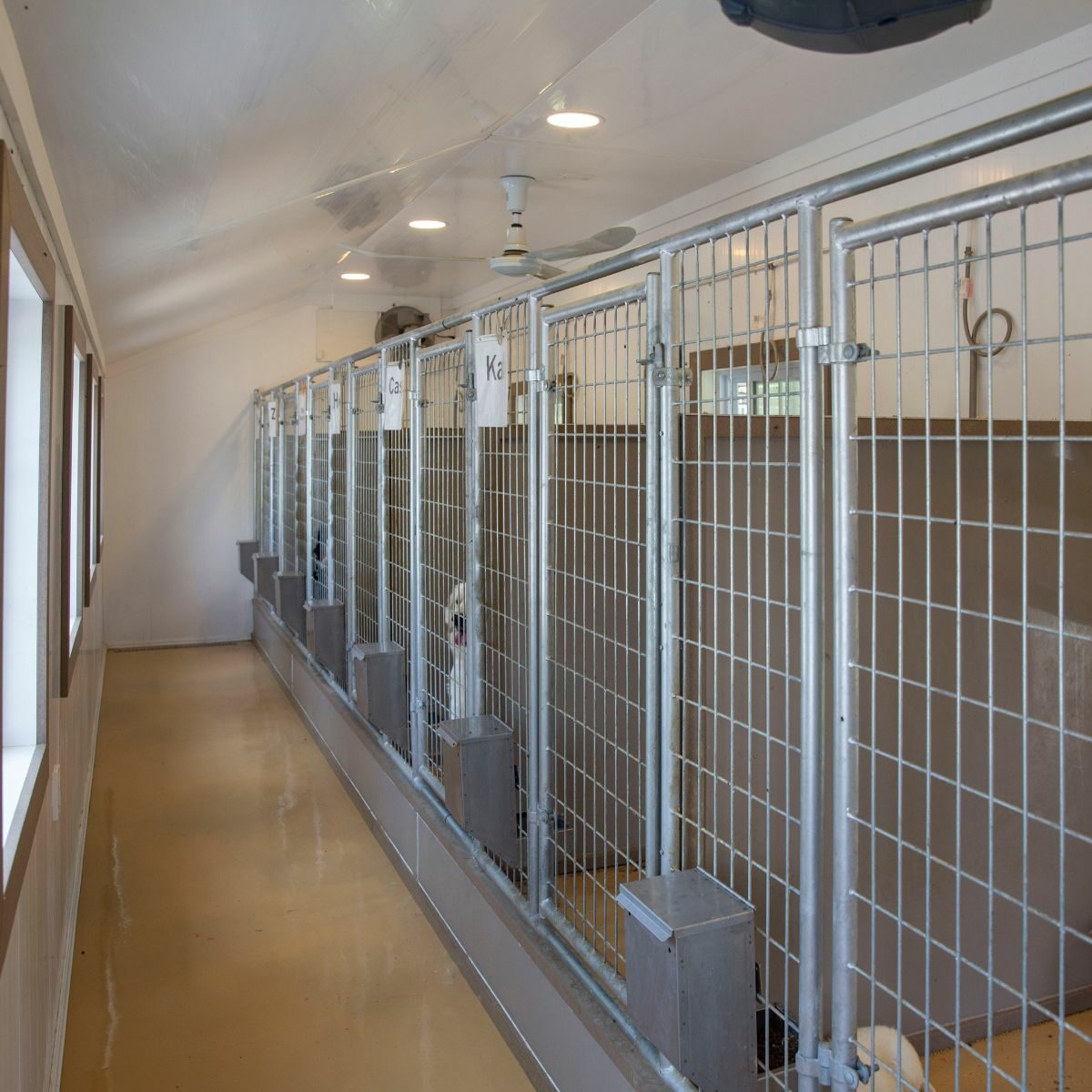


Individualizing Care Across Breeds, Ages, and Temperaments
Canine responses to boarding vary widely depending on breed heritage, developmental stage, socialization history, and baseline temperament. High-energy working breeds or adolescent dogs often require intensive physical and mental engagement to prevent destructive behaviors resulting from under-stimulation, making facilities with spacious play yards essential. Conversely, senior dogs or brachycephalic breeds, which possess shortened facial structures that impair efficient heat dissipation, require specialized temperature regulation, orthopedic bedding, and careful monitoring to avoid respiratory distress. Evaluating these specific physical attributes ensures that the chosen kennel environment aligns safely with the individual dog’s physiological limitations.
When to Consult Veterinary Professionals Regarding Boarding Readiness
Certain physical or psychological conditions necessitate professional veterinary consultation before a dog enters a kennel environment. Dogs exhibiting chronic medical conditions, severe generalized anxiety, geriatric cognitive decline, or compromised immune systems may require specialized veterinary boarding facilities staffed by licensed veterinary technicians rather than standard commercial kennels. Trusted guidance regarding behavior modification protocols or anti-anxiety support can be found through resources dedicated to Dog Training and veterinary behavioral medicine. Guardians should seek immediate veterinary advice if an animal displays persistent lethargy, coughing, refusal to eat, or digestive abnormalities following a return from a boarding facility.
Ensuring Long-Term Success and Safety in Temporary Housing
Navigating the complexities of temporary canine housing requires ongoing vigilance, clear communication with facility operators, and a commitment to preventive health measures. By understanding the operational standards of a quality dog care kennel, owners can safeguard their animal companions against preventable risks while supporting emotional stability during separation. Exploring additional educational resources on Dog Care and Dog Behavior further equips guardians to foster resilience and adaptability across all life stages. Visit PetsAnimalsWorld.com for comprehensive guides, expert insights, and practical tools designed to enhance every aspect of canine companionship.


