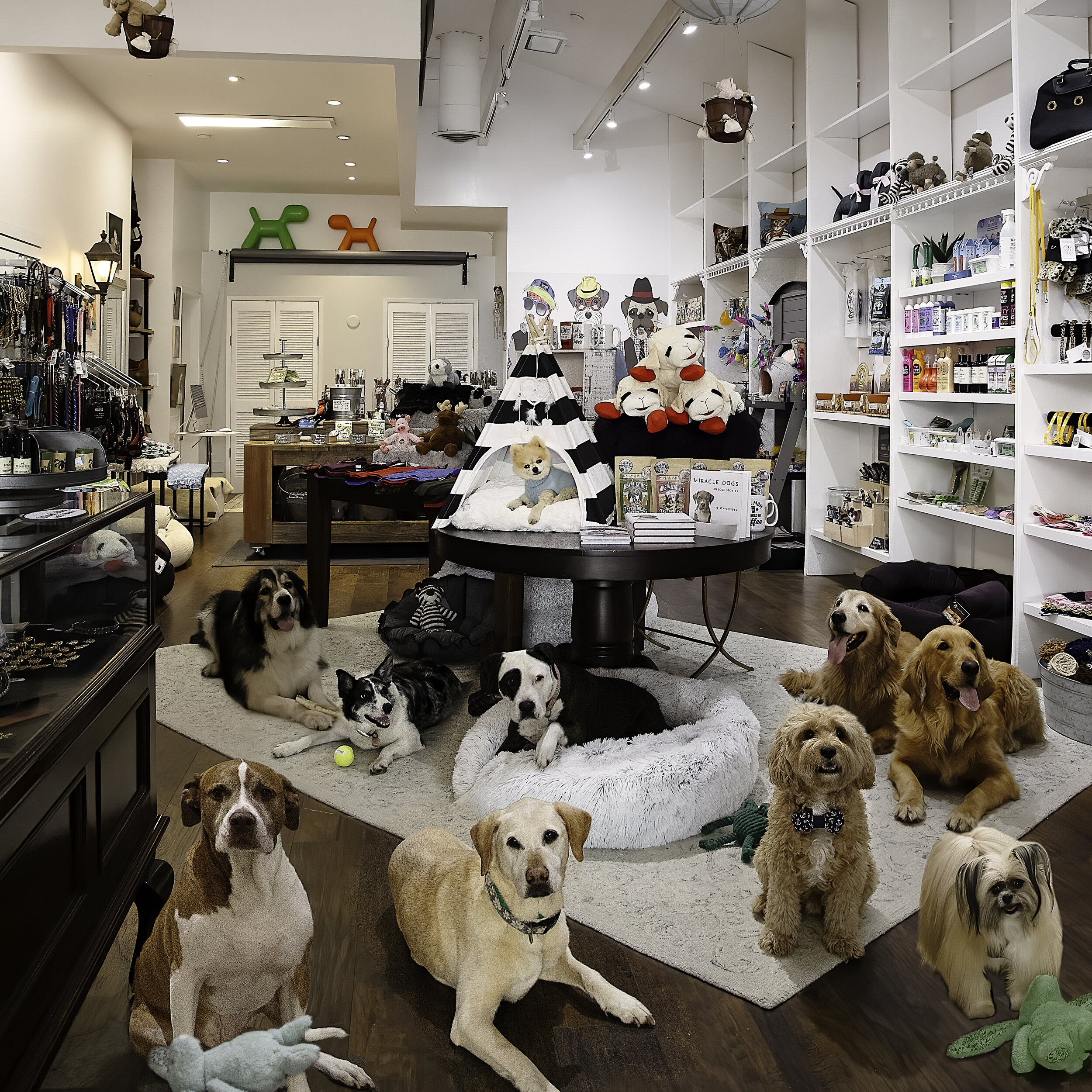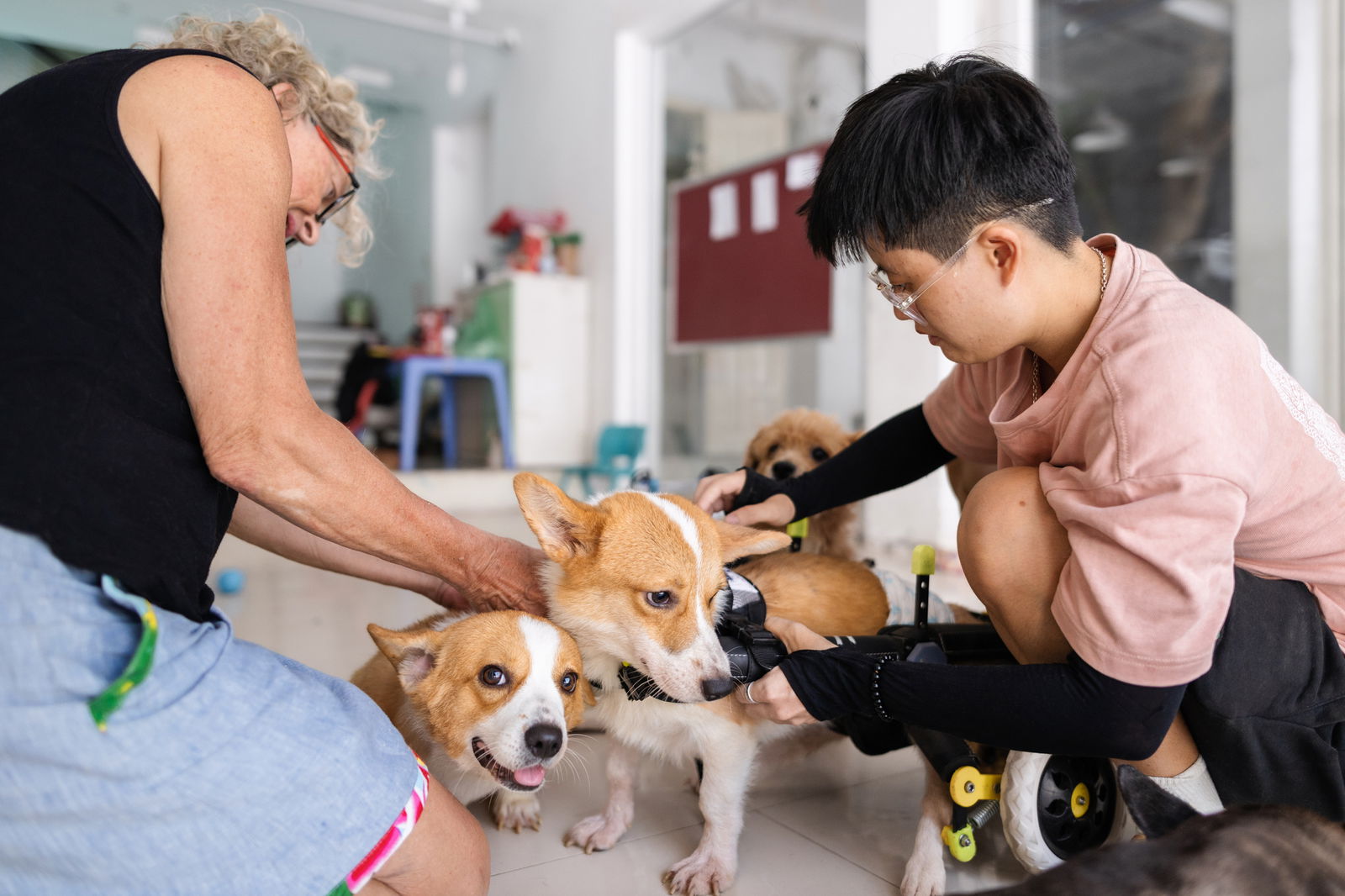
Maintaining canine wellness in a bustling tropical metropolis requires distinct adjustments to standard household routines, making specialized dog care singapore an essential focus for responsible pet guardians. According to the American Society for the Prevention of Cruelty to Animals (ASPCA), environmental enrichment and routine veterinary preventative medicine are fundamental pillars for ensuring longevity and a high quality of life in domestic companion animals. Within urban equatorial environments, canine companions face unique climatic and spatial conditions that differ significantly from temperate regions. Urban humidity, high ambient temperatures, limited sprawling green spaces, and dense apartment living demand deliberate management strategies to safeguard both physical health and psychological stability. Understanding these foundational needs empowers owners to create balanced routines that accommodate both natural canine instincts and the practical realities of city dwelling.
💡 Pet Care Key Takeaways:
- Core Focus: Practical health, nutrition, and wellness guidelines for Dog Care Singapore.
- Target Scope: Pet owners, animal caregivers, and veterinary support staff.
- Best Recommendation: Maintain consistent daily routines and consult an accredited veterinarian before introducing major diet or medical changes.
Understanding the Core Principles of Dog Care Singapore
Comprehensive dog care singapore encompasses tailored daily maintenance, climate-specific health precautions, and proactive adjustments to urban housing realities. Unlike rural or suburban settings where dogs might enjoy expansive private yards, many urban dogs reside in high-rise apartments, necessitating structured outlets for physical exercise and mental stimulation. Proper Dog Care involves more than simply meeting baseline nutritional needs; it requires an active commitment to monitoring environmental comfort, paw health on heated asphalt, and hydration levels throughout humid tropical days. Pet guardians must balance indoor cooling strategies with outdoor activity, ensuring dogs receive adequate social exposure without risking heat-related illness or urban stress.
Managing Environmental Heat Risks and Urban Health Impacts
Equatorial climates present distinct physiological challenges for canines, particularly regarding thermoregulation and skin health. Dogs rely primarily on panting and minimal sweat glands located in their paw pads to regulate body temperature, making them highly susceptible to heat exhaustion and heatstroke during midday excursions. Furthermore, constant exposure to warm, humid air can foster dermatological sensitivities and parasitic activity, requiring consistent monitoring by veterinarians specializing in Dog Health. Owners must recognize early signs of heat distress, such as excessive drooling, heavy panting, lethargy, or bright red gums, and take immediate corrective action by moving the animal to an air-conditioned environment and offering fresh water.
High ambient humidity and elevated temperatures significantly increase the physiological risk of heat-related illness in canines, requiring careful scheduling of outdoor activities during cooler morning and evening hours. — American Veterinary Medical Association
Implementing Practical Daily Management and Humane Training
Structuring daily routines around local climate patterns and community living standards ensures harmony between pets, owners, and neighbors. Establishing predictable schedules for feeding, elimination, and resting helps regulate metabolic processes and reduces anxiety. When addressing behavior or obedience, guardians should focus on positive reinforcement methodologies that build confidence rather than intimidation. Engaging with Dog Training principles that prioritize clear communication and reward-based learning fosters a cooperative relationship, preventing reactivity in confined spaces like lifts, corridors, and shared parks.
Best Practices, Common Pitfalls, and Dietary Considerations
Navigating daily maintenance requires vigilance regarding dietary intake, exercise intensity, and environmental hazards. A common pitfall involves leaving dogs unattended on unshaded balconies or walking them on direct asphalt during peak solar radiation, which can easily cause severe paw pad burns. Nutritional requirements must reflect individual energy expenditure, age, and metabolic rate, guided by established standards in Dog Nutrition rather than arbitrary feeding guidelines. Always ensure fresh, clean water is readily available indoors, and consult a qualified veterinary professional before introducing significant changes to a canine diet or exercise regimen.
Canine nutritional profiles must be formulated to meet specific life stages and metabolic needs, avoiding sudden dietary shifts that can disrupt gastrointestinal stability. — Association of American Feed Control Officials
Pet Care & Wellness Overview Table
| Life Stage | Daily Activity Level | Key Nutrition / Care Focus |
|---|---|---|
| Puppy / Kitten | High (frequent short bursts) | High-protein growth diet & early socialization |
| Adult Companion | Moderate (30–60 mins daily) | Balanced maintenance nutrition & dental hygiene |
| Senior Pets | Low to Gentle (mindful walks) | Joint support (Glucosamine) & routine vet checks |
Images References






Addressing Breed, Size, and Age Considerations in Urban Environments
Individual physical characteristics heavily dictate how a dog experiences city life, requiring customized approaches for different physical types. Brachycephalic breeds—such as Pugs and French Bulldogs, which feature shortened nasal passages—face severe respiratory limitations in hot and humid climates, requiring strict limitations on outdoor exertion. Conversely, high-energy working or sporting groups explored within Dog Breeds literature demand intensive mental engagement and structured running opportunities to prevent destructive behaviors indoors. Senior dogs and growing puppies also require specialized accommodations, including orthopedic support for joint health and adjusted exercise durations that protect developing or aging skeletal structures.
Knowing When to Consult a Veterinary Professional or Behavioral Specialist
Prompt professional intervention is essential whenever physical symptoms, sudden behavioral changes, or acute injuries manifest. For suspected poisoning, difficulty breathing, seizures, collapse, or severe bleeding, immediate veterinary care is non-negotiable; never attempt home remedies or administer human medications without explicit clinical direction. Similarly, for persistent fear, separation anxiety, or protective aggression, owners should consult a qualified veterinary behaviorist or certified trainer who utilizes humane, science-based intervention strategies. Early professional consultation prevents minor ailments from escalating into complex medical conditions or entrenched behavioral challenges.
Conclusion and Further Resources for Companion Animal Guardians
Mastering the nuances of urban canine maintenance ensures that pets thrive physically and mentally within dense metropolitan settings. By combining proactive health monitoring, climate awareness, and humane training practices, guardians create safe, fulfilling environments for their animal companions. Explore further resources on Dog Behavior to deepen understanding of canine communication, and visit PetsAnimalsWorld.com for comprehensive guides dedicated to lifelong pet wellness.