
Foundations of Canine Wellness and Daily Maintenance
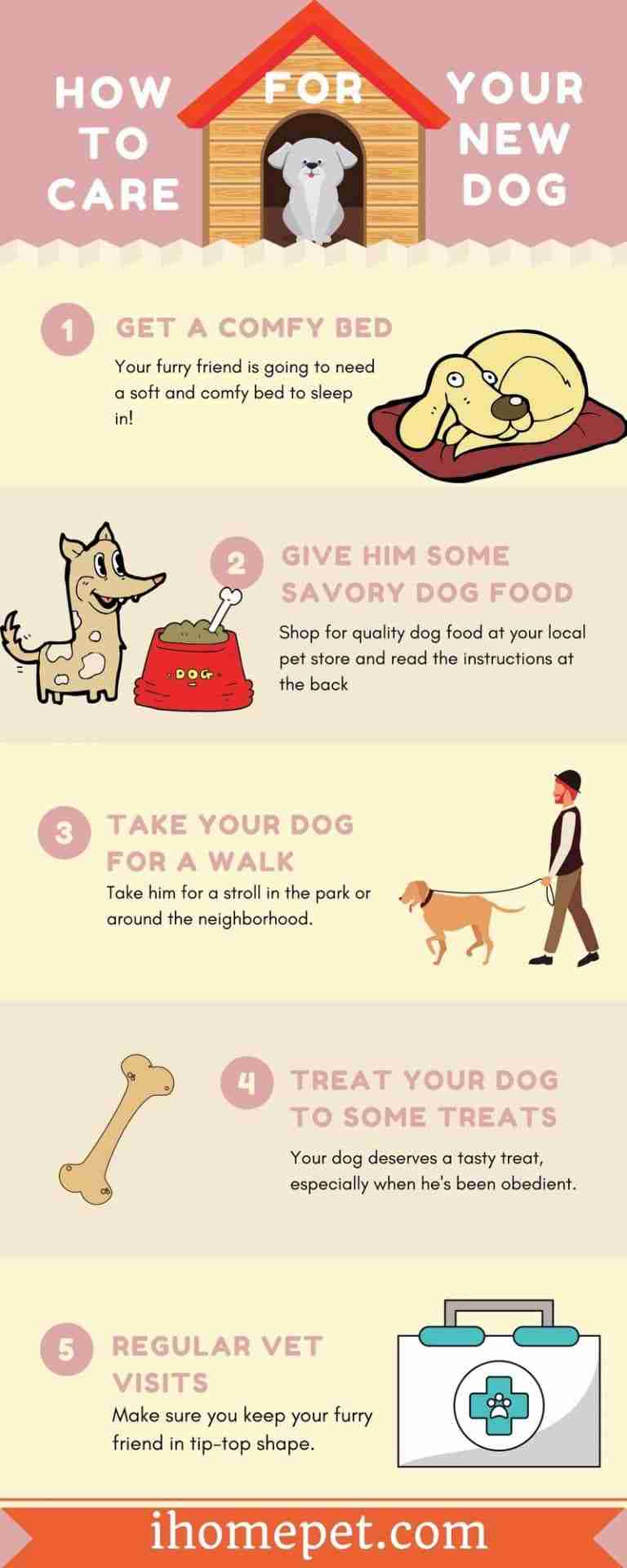
Comprehensive canine care involves meeting physical, mental, and emotional needs through structured daily routines. According to the American Society for the Prevention of Cruelty to Animals (ASPCA), proper routine care forms the cornerstone of long-term animal welfare and preventable disease mitigation. Canines thrive when their guardians understand biological rhythms, nutritional requirements, and environmental enrichment strategies. Implementing effective dog care tips requires consistency, patience, and a willingness to adapt management practices as the animal ages from a rambunctious puppy into a dignified senior.
💡 Pet Care Key Takeaways:
- Core Focus: Practical health, nutrition, and wellness guidelines for Dog Care Tips.
- Target Scope: Pet owners, animal caregivers, and veterinary support staff.
- Best Recommendation: Maintain consistent daily routines and consult an accredited veterinarian before introducing major diet or medical changes.
Understanding Comprehensive Dog Care and Responsibilities
Holistic dog care encompasses preventative medicine, balanced nutrition, humane socialization, and structured physical exercise tailored to individual physiology. Responsible custodianship means looking beyond basic survival needs to ensure psychological health, which prevents the development of chronic stress and unwanted behaviors. For guidance on foundational habits, resources on Dog Care offer valuable perspectives on organizing daily maintenance schedules. Meeting these diverse responsibilities protects the human-animal bond and ensures that every canine companion experiences a high quality of life within a domestic environment.
The Direct Impact of Care Routines on Health and Longevity
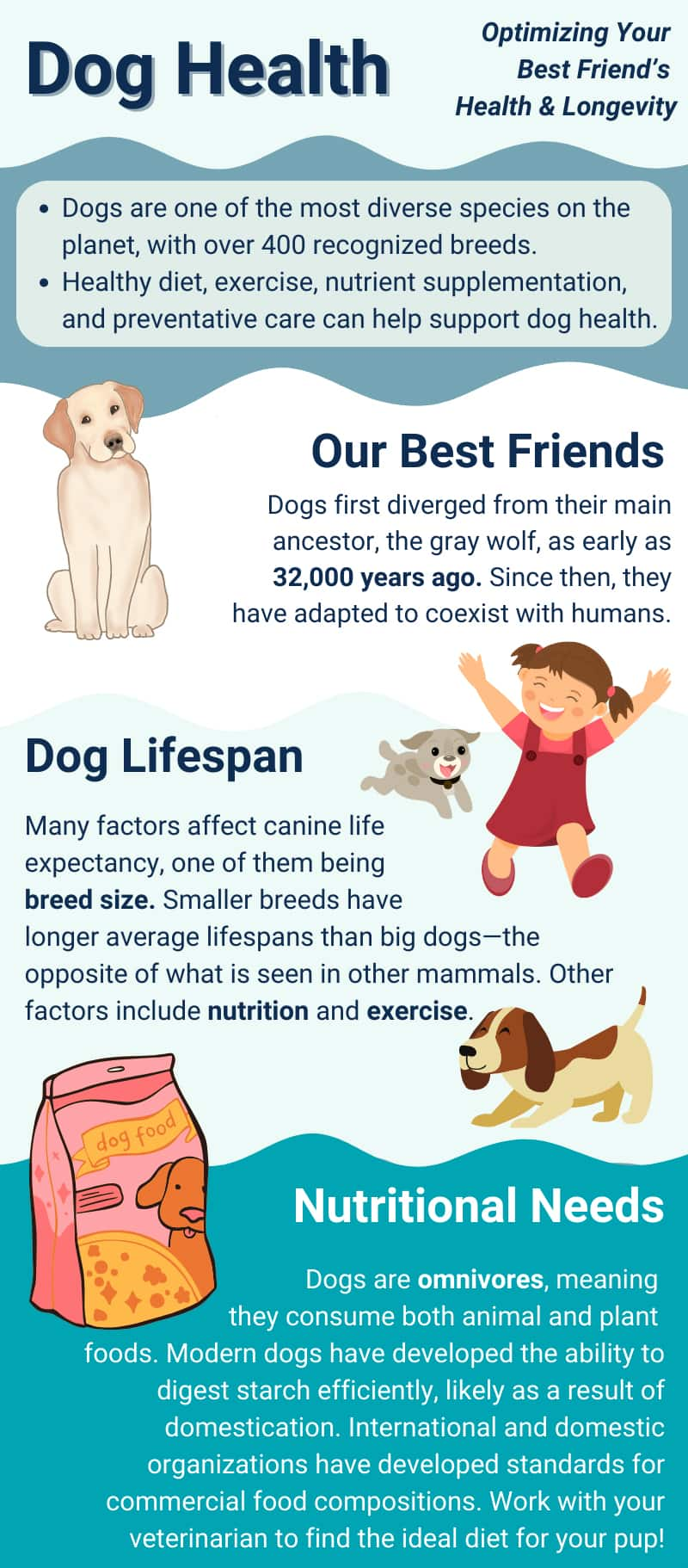
Consistent daily management directly influences physiological stability, immune function, and psychological resilience in domestic canines. Regular veterinary check-ups, dental maintenance, and proper weight management help mitigate metabolic disorders, joint deterioration, and periodontal disease. When individuals engage with established practices found in Dog Health literature, they learn how proactive maintenance catches subtle signs of illness before conditions escalate into clinical emergencies. Monitoring daily water intake, appetite, and stool consistency provides immediate feedback regarding internal wellness.
Routine veterinary preventative care, balanced nutrition, and daily physical activity significantly reduce the risk of obesity-related joint and metabolic disorders in domestic canines — American Veterinary Medical Association (AVMA)
Implementing Practical Management and Enrichment Strategies
Structured daily routines integrate physical exercise, cognitive puzzles, and positive reinforcement to maintain emotional stability. Establishing predictable feeding and walking schedules helps regulate digestion and reduces anxiety associated with resource unpredictability. Guardians frequently utilize interactive feeding toys or scent games to channel natural foraging instincts constructively. Canines left alone for extended periods without mental stimulation often resort to destructive chewing or excessive vocalization as coping mechanisms for boredom.
Best Practices, Common Pitfalls, and Safety Precautions
Sustaining successful management routines requires strict adherence to safety protocols and the avoidance of common husbandry mistakes. A frequent error involves introducing sudden dietary changes, which often precipitates acute gastroenteritis; transitions to new foods should always occur gradually over seven to ten days. Furthermore, toxic household items such as chocolate, xylitol, grapes, and certain houseplants must remain entirely out of reach. Ingestion of foreign objects, household cleaners, or human medications constitutes a medical emergency requiring immediate professional intervention.
Canines require consistent mental enrichment alongside physical exercise to prevent chronic frustration and stress-related behavioral disruptions — Association of Professional Dog Trainers (APDT)
Pet Care & Wellness Overview Table
| Life Stage | Daily Activity Level | Key Nutrition / Care Focus |
|---|---|---|
| Puppy / Kitten | High (frequent short bursts) | High-protein growth diet & early socialization |
| Adult Companion | Moderate (30–60 mins daily) | Balanced maintenance nutrition & dental hygiene |
| Senior Pets | Low to Gentle (mindful walks) | Joint support (Glucosamine) & routine vet checks |
Images References





Breed, Age, Size, and Temperament Considerations
Individual husbandry requirements vary dramatically based on breed heritage, physiological maturity, body size, and innate temperament. Exploring resources focused on specific Dog Breeds reveals distinct traits, such as herding drives, guarding instincts, or brachycephalic respiratory limitations that dictate specialized management needs. Working and sporting groups generally demand higher levels of vigorous exercise and cognitive engagement compared to low-energy companion groups. Similarly, geriatric individuals require modified exercise intensity and joint supplements to preserve mobility, while developing puppies need controlled physical exertion to protect growing growth plates.
When to Consult a Veterinarian or Professional Practitioner
Prompt professional consultation remains essential whenever unexpected physical symptoms or sudden behavioral shifts manifest. For complex behavioral challenges, exploring resources on Dog Behavior can help identify environmental triggers, but persistent fear, severe anxiety, or aggression require evaluation by a qualified veterinary behaviorist or certified trainer using humane, evidence-based methods. Immediate veterinary intervention is mandatory for suspected poisoning, difficulty breathing, unprovoked aggression, severe lethargy, continuous vomiting, seizures, or traumatic injury. Never administer human medications or attempt home remedies for systemic toxicity without direct veterinary guidance.
Closing Perspectives on Responsible Animal Guardianship
Mastering daily maintenance routines ensures a safe, enriching environment for every canine companion in the household. By staying informed through reliable channels, guardians can navigate the evolving needs of their pets with confidence and empathy. For further insights into canine companionship, explore the extensive resources available across PetsAnimalsWorld.com to deepen understanding of animal welfare, training fundamentals, and nutritional science.