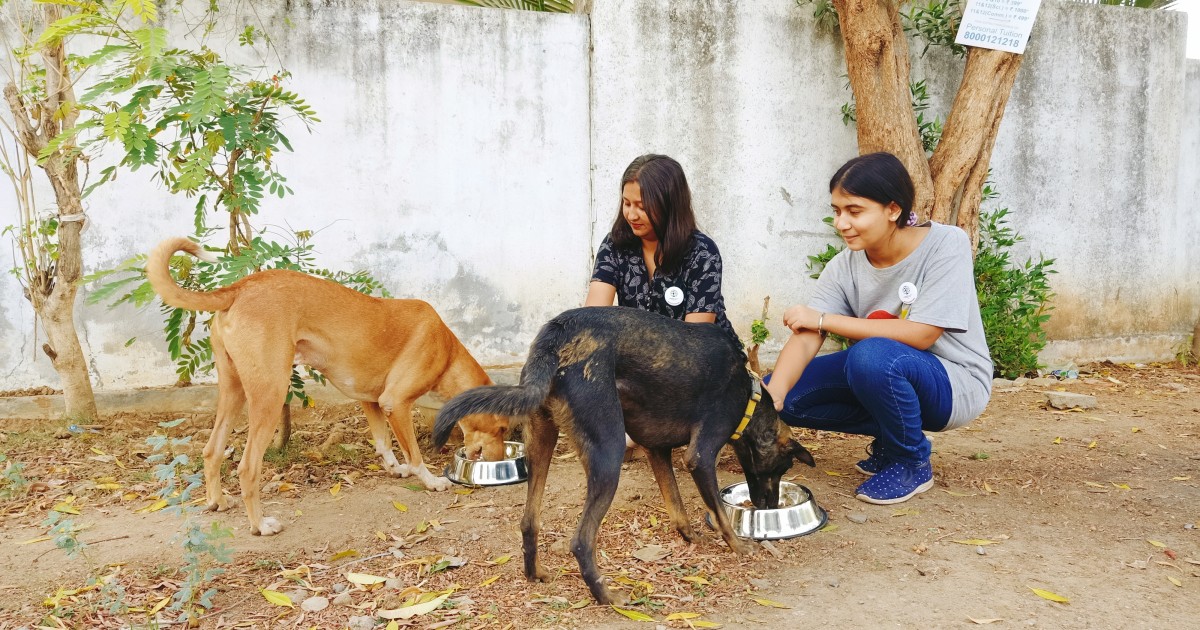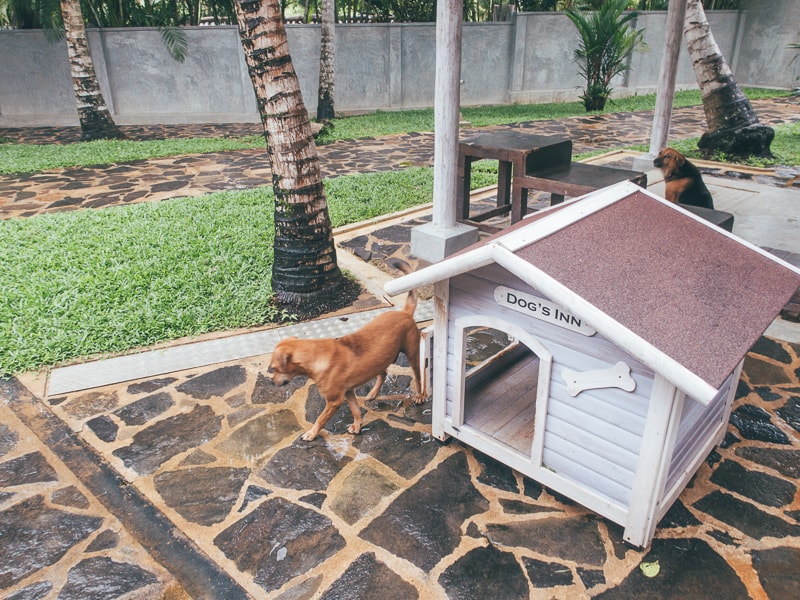
Understanding the Unique Environment of Dog Care in Unawatuna
Providing high-quality care for dogs in a coastal, tropical setting like Unawatuna requires a specialized approach that accounts for both environmental stressors and local logistical considerations. According to the World Health Organization, maintaining animal health is an essential component of community well-being and responsible pet guardianship, as it directly impacts the prevention of zoonotic diseases. Whether residing in or visiting this popular Sri Lankan coastal destination, dog owners must navigate the challenges of high humidity, intense solar radiation, and specific local parasites that are not prevalent in temperate climates. Ensuring a dog remains healthy in this region involves proactive planning, consistent environmental management, and an understanding of the physiological needs of canines in warm, humid conditions.
💡 Pet Care Key Takeaways:
- Core Focus: Practical health, nutrition, and wellness guidelines for Dog Care Unawatuna.
- Target Scope: Pet owners, animal caregivers, and veterinary support staff.
- Best Recommendation: Maintain consistent daily routines and consult an accredited veterinarian before introducing major diet or medical changes.
Defining the Scope of Coastal Canine Maintenance
Dog care in Unawatuna encompasses the holistic management of a canine’s physical, nutritional, and behavioral needs within a tropical maritime environment. This includes rigorous parasite control, specialized grooming to manage skin health in high humidity, and heat-mitigation strategies to prevent hyperthermia. Coastal living introduces specific risks, such as increased exposure to sand-related irritants, saltwater ingestion, and a higher prevalence of vector-borne diseases transmitted by local ticks and mosquitoes. Responsible guardianship in this setting requires an integrated approach that prioritizes preventative veterinary medicine and environmental awareness to maintain the animal’s comfort and safety throughout the year.
Managing Health Risks in Tropical Climates
Environmental factors in Unawatuna significantly influence the health and longevity of domestic dogs, necessitating diligent monitoring for heat-related illness and parasitic infections. Tropical climates accelerate the life cycles of various pests, making year-round protection against ticks, fleas, and heartworm-carrying mosquitoes non-negotiable. Furthermore, dogs are susceptible to heat exhaustion if they are not provided with adequate shade, constant access to fresh water, and limited activity during the peak intensity of the midday sun. Maintaining healthy skin is equally vital, as excessive humidity can lead to fungal infections and hot spots, which are localized areas of skin inflammation and infection that can escalate rapidly if left untreated.
Heatstroke in dogs is a life-threatening condition that can occur rapidly when an animal’s body temperature rises above its normal range, typically due to environmental heat or excessive physical exertion. — American Veterinary Medical Association
Implementing Effective Care Strategies
Effective management of a dog in a coastal tropical environment begins with establishing a robust Dog Health routine that emphasizes hydration and parasite prevention. Owners should prioritize providing clean, cool water at all times to encourage regular hydration, which supports thermoregulation. Grooming should be frequent enough to check for ticks and to ensure that the coat is free of sand and salt, both of which can cause severe skin irritation. When exercising a dog, it is advisable to utilize the cooler hours of the early morning or late evening, avoiding high-intensity play during the hottest parts of the day. Consistent monitoring of the dog’s behavior for signs of lethargy or excessive panting is essential for early intervention.
Best Practices and Common Pitfalls
One of the most significant mistakes to avoid is the assumption that a dog can naturally tolerate high temperatures without human intervention. Providing a cool, well-ventilated space is mandatory for the animal’s comfort. Additionally, owners should be cautious with beach activities; while many dogs enjoy the ocean, saltwater can lead to gastrointestinal upset if ingested in large quantities, and sand can become trapped in the fur, leading to severe chafing. Always rinse a dog thoroughly with fresh water after exposure to the ocean to remove salt and debris. Using appropriate, veterinary-recommended flea and tick preventative measures is the single most effective way to protect a dog from the many regional vector-borne diseases.
The American Kennel Club emphasizes that regular grooming is not only for aesthetics but is a critical aspect of health maintenance, allowing owners to identify lumps, bumps, or skin issues early. — American Kennel Club
Pet Care & Wellness Overview Table
| Life Stage | Daily Activity Level | Key Nutrition / Care Focus |
|---|---|---|
| Puppy / Kitten | High (frequent short bursts) | High-protein growth diet & early socialization |
| Adult Companion | Moderate (30–60 mins daily) | Balanced maintenance nutrition & dental hygiene |
| Senior Pets | Low to Gentle (mindful walks) | Joint support (Glucosamine) & routine vet checks |
Images References



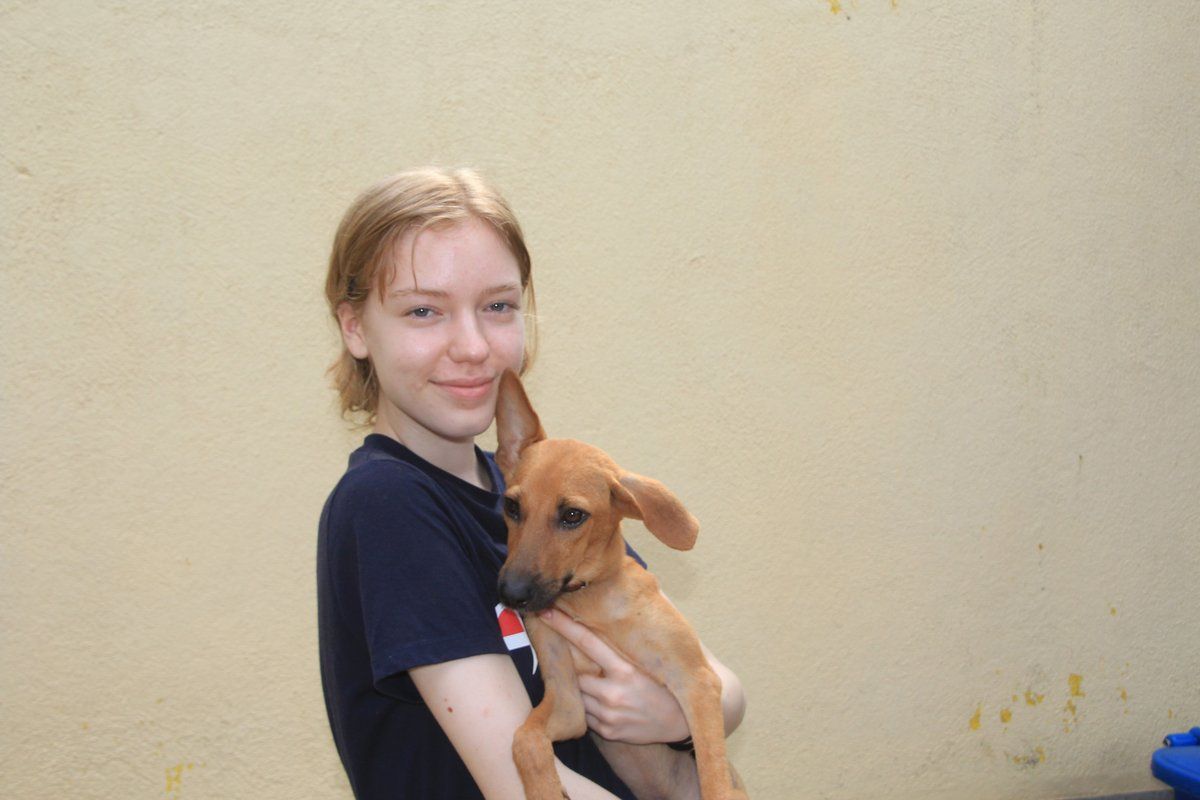

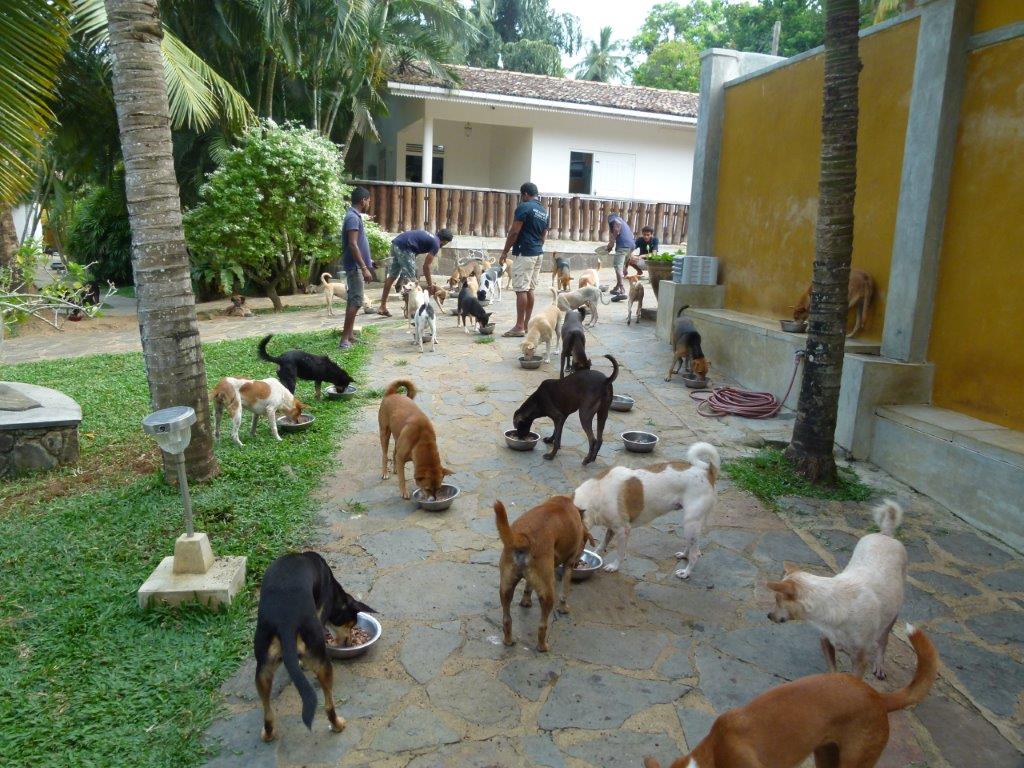



Considering Breed, Age, and Individual Temperament
Every dog has unique requirements based on its breed history, age, and individual health status, which must be factored into any Dog Care plan. Brachycephalic breeds—those with short, flat faces—are significantly more susceptible to heat stress and require extreme caution in tropical environments. Senior dogs or those with underlying chronic conditions may also possess reduced thermoregulatory capacity, necessitating shorter walks and increased rest periods. Understanding the specific Dog Breeds characteristics, such as coat thickness and original purpose, helps owners tailor their care routines to ensure that the dog remains comfortable and healthy regardless of the environmental conditions in Unawatuna.
Professional Consultation and Veterinary Oversight
Professional veterinary guidance is essential for navigating the complexities of pet care in a specific geographic location. Owners should consult a local veterinarian to establish a vaccination and parasite-prevention schedule tailored to the specific endemic diseases present in the Southern Province of Sri Lanka. If a dog displays persistent behavioral issues, such as extreme anxiety or aggression, seeking help from a certified professional trainer is strongly recommended to ensure that interventions are humane and evidence-based. Never attempt to treat suspected poisoning, severe skin infections, or acute respiratory distress with home remedies; these conditions require immediate professional assessment and medical intervention.
Commitment to Long-Term Canine Wellness
Ensuring the long-term well-being of a dog in Unawatuna is a rewarding responsibility that requires dedication and a commitment to ongoing learning. By staying informed about the latest practices in Dog Nutrition, environmental safety, and positive-reinforcement Dog Training, guardians can provide a high quality of life for their companions. For more comprehensive guides on maintaining your pet’s health and happiness, please visit PetsAnimalsWorld.com. Building a foundation of knowledge and maintaining a strong relationship with local veterinary professionals will ensure that your dog thrives in this beautiful coastal environment.