

The Essential Role of Veterinary Guidance in Canine Well-being
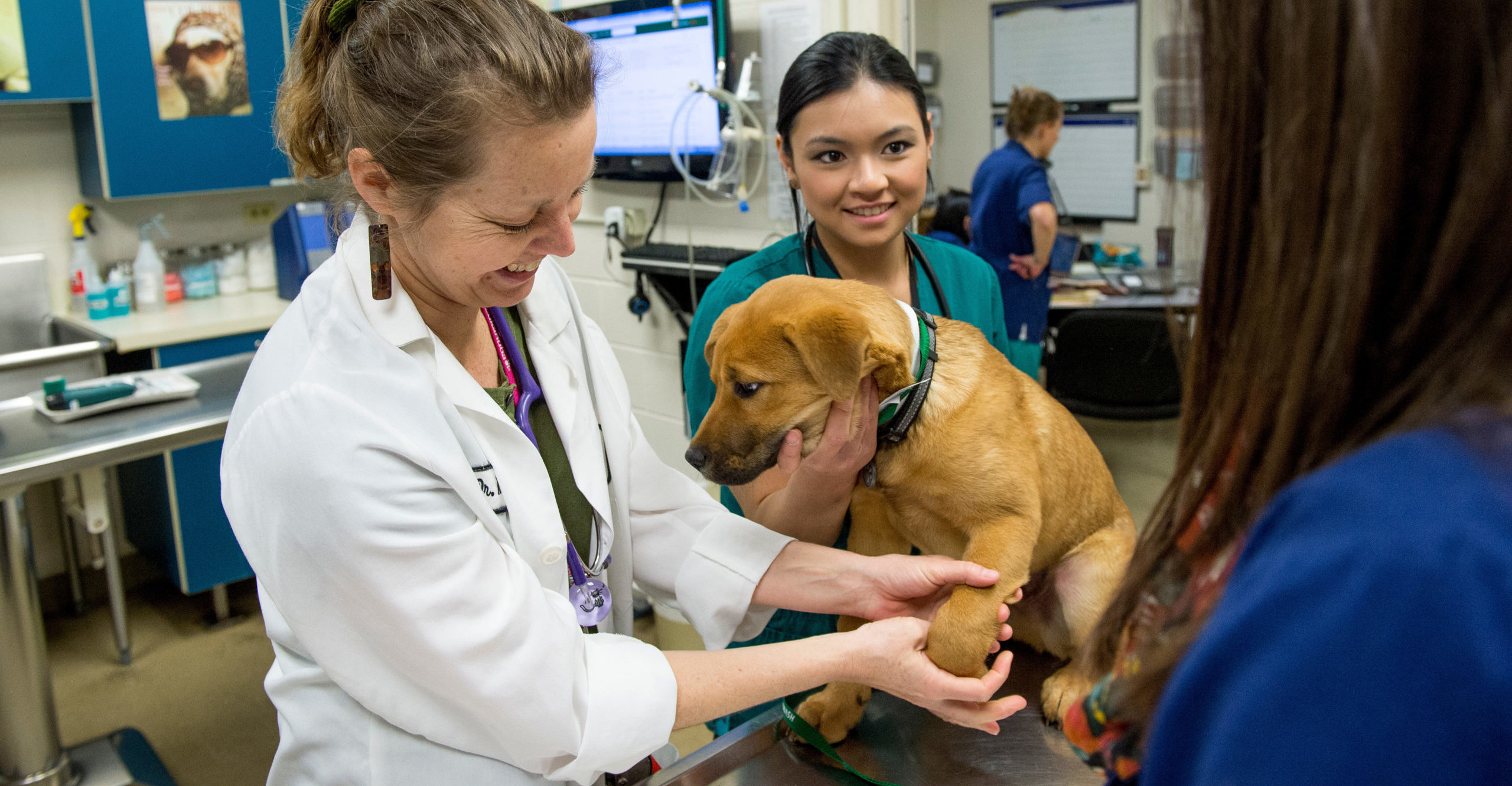
Proactive veterinary care serves as the cornerstone of a healthy life for companion dogs, moving beyond reactive treatment to focus on long-term wellness and disease prevention. According to the American Veterinary Medical Association (AVMA), regular veterinary examinations are vital for detecting health issues early, often before physical symptoms become apparent to owners. By establishing a consistent relationship with a veterinary clinic, owners gain access to professional guidance that tailors health management to the specific needs of an individual animal. This partnership ensures that preventative measures, nutritional adjustments, and behavioral screenings are aligned with current medical standards, ultimately enhancing the quality and duration of a dog’s life. Explore more in our Dog Care collection.
💡 Pet Care Key Takeaways:
- Core Focus: Practical health, nutrition, and wellness guidelines for Dog Care Vet.
- Target Scope: Pet owners, animal caregivers, and veterinary support staff.
- Best Recommendation: Maintain consistent daily routines and consult an accredited veterinarian before introducing major diet or medical changes.
Understanding the Scope of Veterinary-Led Dog Care
The concept of professional dog care through a veterinary lens encompasses a wide spectrum of services, ranging from routine physical examinations and vaccinations to complex diagnostics and surgical interventions. Veterinary medicine focuses on the physiological maintenance of the animal, addressing internal health, metabolic function, and structural integrity. Unlike general husbandry, veterinary-led care is grounded in evidence-based medicine, utilizing standardized protocols to monitor vital signs, dental hygiene, and organ function. This approach ensures that every aspect of the dog’s physical state—from coat condition to blood chemistry—is evaluated against objective health markers rather than anecdotal observations. For more related activities, check out our Dog Care While In Rehab.
The Impact of Veterinary Oversight on Canine Longevity
Integrating consistent veterinary oversight into a dog’s routine significantly reduces the risk of undetected chronic illnesses and provides a structured framework for addressing acute health concerns. Many conditions, such as early-stage dental disease, arthritis, or metabolic imbalances, present subtle signs that may go unnoticed in a home environment but become clear during a professional physical assessment. Veterinarians utilize diagnostic tools such as blood panels, imaging, and urinalysis to gain a comprehensive understanding of a dog’s internal environment. By identifying these issues early, owners can implement management strategies that mitigate discomfort and prevent the progression of more serious systemic complications.
Routine wellness examinations allow veterinarians to establish a baseline for a dog’s health, making it easier to identify subtle changes that could indicate underlying medical conditions. — American Veterinary Medical Association (AVMA)
Managing Health and Wellness Through Professional Collaboration
Effective management of a dog’s health requires a collaborative effort between the owner and the veterinary team, prioritizing consistent monitoring and timely intervention. Owners play a critical role by observing changes in behavior, appetite, or energy levels and reporting these findings to the clinic. When a concern arises, the veterinary team utilizes a systematic process of gathering clinical history, performing a physical examination, and recommending diagnostic tests. This structured approach prevents the reliance on guesswork and ensures that any treatment plan is based on an accurate assessment of the dog’s current health status. Maintaining organized records of vaccinations, parasite control, and previous health concerns is a fundamental best practice for any dog owner.
Best Practices for Maintaining Veterinary Standards at Home
To uphold high standards of care, owners should maintain a proactive schedule for wellness check-ups, typically annually or semi-annually depending on the dog’s life stage. It is essential to avoid the common mistake of waiting for visible symptoms of illness before seeking professional advice, as many conditions are more effectively managed in their early phases. Furthermore, strictly following the guidance of a licensed veterinarian regarding parasite prevention and nutritional requirements is crucial for long-term health. Owners should also ensure that any supplements or over-the-counter products are discussed with a veterinarian, as some substances may interact negatively with specific health conditions or prescription medications.
Regular dental care and oral health screenings are essential components of veterinary care, as periodontal disease can lead to systemic infections that affect the heart, kidneys, and liver. — American Animal Hospital Association (AAHA)
Pet Care & Wellness Overview Table
| Life Stage | Daily Activity Level | Key Nutrition / Care Focus |
|---|---|---|
| Puppy / Kitten | High (frequent short bursts) | High-protein growth diet & early socialization |
| Adult Companion | Moderate (30–60 mins daily) | Balanced maintenance nutrition & dental hygiene |
| Senior Pets | Low to Gentle (mindful walks) | Joint support (Glucosamine) & routine vet checks |
Images References




Individual Considerations for Age, Breed, and Lifestyle
Veterinary care must be customized to account for the unique requirements of a dog’s breed, size, and age, as these factors significantly influence health risks and developmental milestones. For example, large-breed dogs may require specific monitoring for orthopedic concerns, while brachycephalic (short-nosed) breeds often need specialized attention regarding respiratory function and heat tolerance. Puppies require a frequent schedule of vaccinations and growth monitoring, whereas senior dogs benefit from geriatric screenings designed to detect age-related decline in organ function. A professional veterinarian evaluates these variables to provide personalized recommendations for nutrition, exercise, and preventative screenings that are appropriate for the specific needs of the animal.
Recognizing the Threshold for Professional Veterinary Intervention
Consulting a veterinarian is mandatory when a dog exhibits signs of acute distress, such as difficulty breathing, sudden collapse, seizures, or persistent, severe vomiting or diarrhea. These symptoms represent potential emergencies that require immediate clinical attention to stabilize the animal and determine the underlying cause. Beyond emergencies, professional intervention is necessary for any unexplained change in behavior, such as persistent lethargy, sudden aggression, or severe anxiety, as these can often be manifestations of underlying pain or medical pathology. When behavioral issues arise, seeking a board-certified veterinary behaviorist or a qualified, force-free professional trainer is the standard for ensuring that interventions are safe, effective, and humane.
Resources for Comprehensive Dog Care
Providing the best possible life for a canine companion involves a commitment to continuous learning and the utilization of reliable, evidence-based resources. By staying informed on Dog Health, Dog Nutrition, and Dog Training, owners can better navigate the complexities of modern pet ownership. Developing a strong, communicative relationship with a local veterinary practice remains the most effective way to ensure long-term wellness. For more guidance on all aspects of canine companionship, explore the extensive collection of resources available at PetsAnimalsWorld.com, where the focus remains on supporting owners in providing responsible and compassionate care for their pets.


