According to the American Veterinary Medical Association, veterinary hospitals strive to maintain high standards of patient comfort, yet leaving a canine companion in a clinical setting remains a deeply stressful experience for many families. When illness, injury, or planned surgical procedures require a canine to stay overnight in a veterinary facility, understanding how inpatient medical management works can ease anxiety. Knowing what happens behind closed doors helps owners partner more effectively with the veterinary team during a vulnerable time. Proper preparation and clear communication bridge the gap between home comfort and clinical necessity, ensuring the companion animal receives optimal medical attention while maintaining emotional stability.
💡 Pet Care Key Takeaways:
- Core Focus: Practical health, nutrition, and wellness guidelines for Dog Care While In Hospital.
- Target Scope: Pet owners, animal caregivers, and veterinary support staff.
- Best Recommendation: Maintain consistent daily routines and consult an accredited veterinarian before introducing major diet or medical changes.
Understanding Inpatient Veterinary Treatment and Monitoring
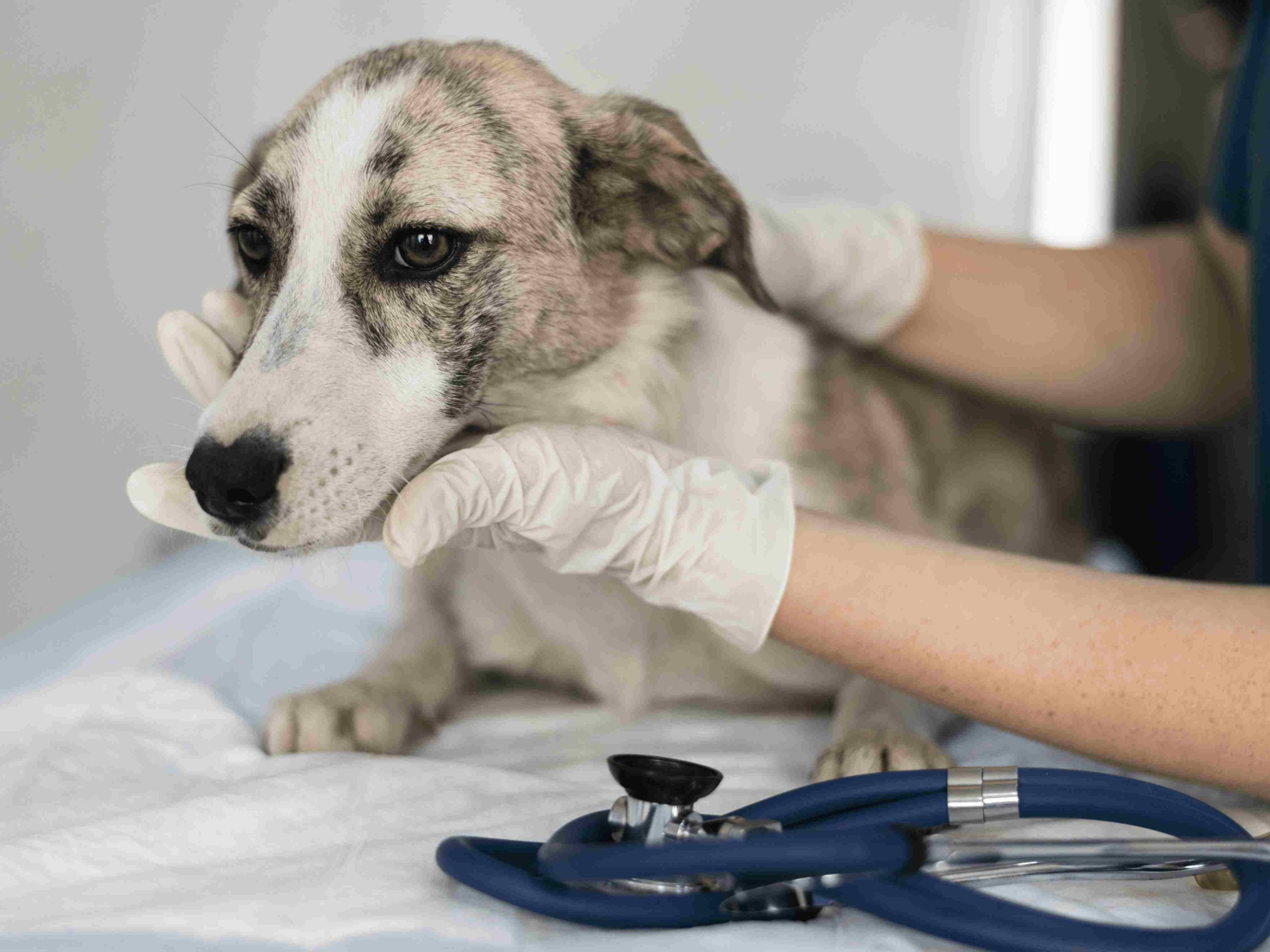
Dog care while in hospital encompasses round-the-clock clinical observation, administration of specialized treatments, and continuous physiological tracking provided by licensed veterinary professionals. This level of support goes far beyond basic feeding and walking, involving targeted interventions such as intravenous fluid therapy, precise pain management protocols, and frequent vital sign checks. Veterinary technicians and clinicians continuously evaluate parameters like heart rate, respiratory effort, body temperature, and surgical site healing to detect subtle changes before they escalate into serious complications. By centralizing these resources, a veterinary hospital creates a controlled environment where sick or recovering animals receive immediate medical responses. For more related activities, check out our Dog Care Whangarei.
Physiological and Psychological Effects of Clinical Environments
Hospitalization introduces unfamiliar sights, harsh lighting, strange chemical smells, and persistent noise that can significantly elevate stress hormones in domestic canines. High stress levels can inadvertently impact recovery by suppressing immune function, increasing blood pressure, and delaying gastrointestinal motility. Veterinary care teams actively mitigate these environmental stressors through gentle handling techniques, pheromone diffusers, dimmed lighting during rest hours, and consistent temperature control. Maintaining a calm atmosphere is just as crucial for healing as administering prescribed medications, as psychological comfort directly influences physical recovery rates and overall resilience.
Veterinary hospitals utilize environmental modifications, low-stress handling techniques, and species-specific pheromones to help reduce anxiety and support immune function during inpatient stays. — American Veterinary Medical Association
Collaborating with Veterinary Teams and Supporting Recovery
Active cooperation between owners and the veterinary staff ensures that the hospitalized animal experiences continuity of care and emotional reassurance. Owners provide essential baseline information regarding dietary preferences, known fears, and daily routines, which veterinary nurses utilize to tailor individual care plans. Establishing designated communication windows allows families to receive objective medical updates without overwhelming busy clinical staff. When visiting policies permit, short, calm interactions can provide immense comfort, provided the animal remains medically stable and does not experience heightened agitation upon departure.
Best Practices and Common Pitfalls During Veterinary Hospitalization
Optimizing an inpatient stay requires adherence to hospital guidelines, thoughtful preparation of comfort items, and avoidance of counterproductive behaviors. Labeling all personal belongings clearly, such as a favorite blanket or a non-destructible toy, prevents items from getting misplaced in a busy clinical environment. Avoid bringing items containing small parts or stuffing that could pose a choking or gastrointestinal obstruction hazard if chewed while unattended. Families must also respect visiting hour restrictions and quarantine protocols designed to protect vulnerable patients from cross-contamination and exhaustion. Maintaining patience with the veterinary staff fosters a collaborative atmosphere focused entirely on the animal’s recovery and well-being.
Providing clearly labeled, durable comfort items from home can help ground hospitalized animals, though checking facility policies regarding personal belongings remains essential for safety. — American Animal Hospital Association
Pet Care & Wellness Overview Table
| Life Stage | Daily Activity Level | Key Nutrition / Care Focus |
|---|---|---|
| Puppy / Kitten | High (frequent short bursts) | High-protein growth diet & early socialization |
| Adult Companion | Moderate (30–60 mins daily) | Balanced maintenance nutrition & dental hygiene |
| Senior Pets | Low to Gentle (mindful walks) | Joint support (Glucosamine) & routine vet checks |
Images References




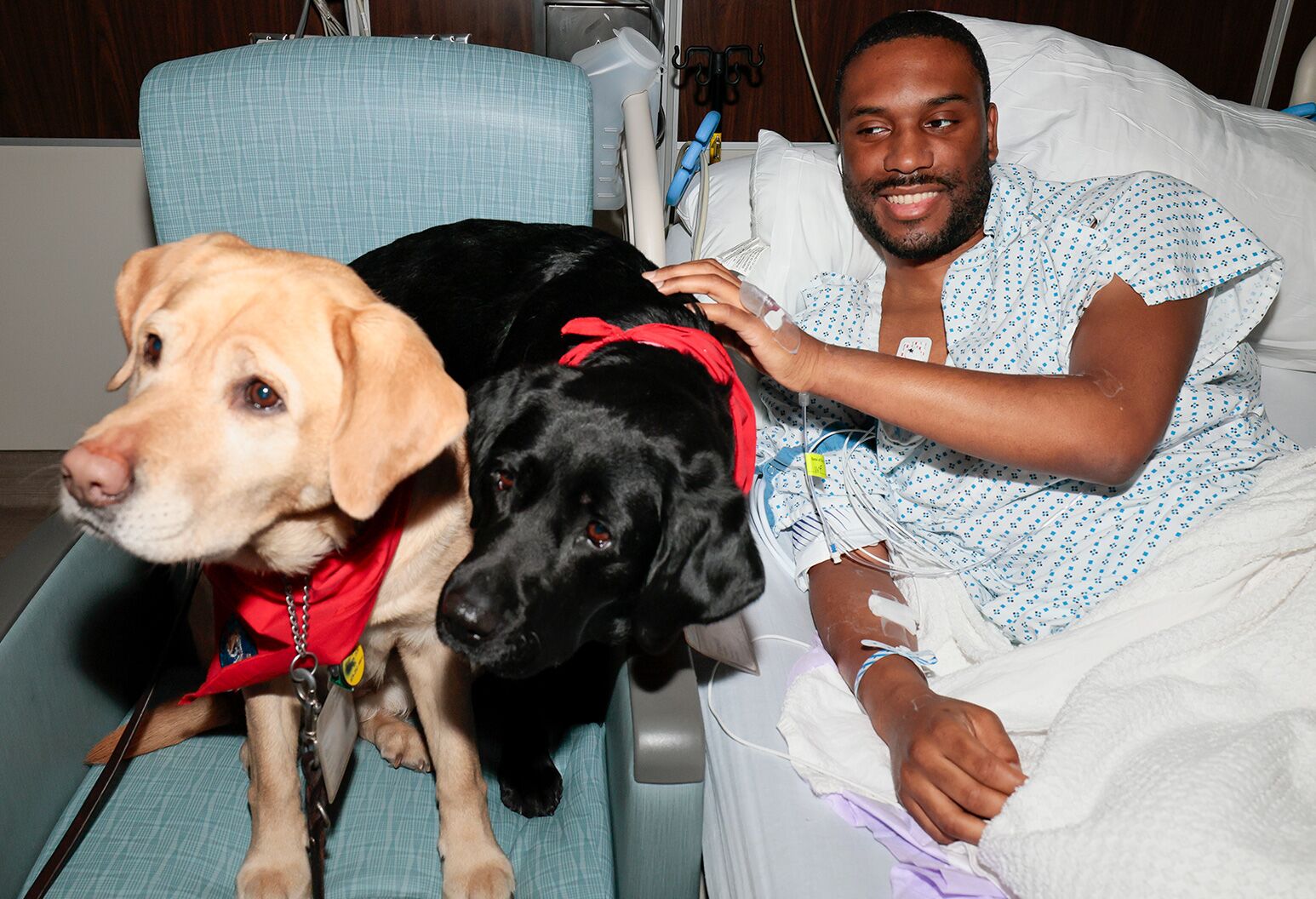
Tailoring Hospital Care to Age, Breed, and Temperament
Individual patient characteristics profoundly influence how a dog responds to hospitalization and medical intervention. Brachycephalic breeds, such as French Bulldogs and Pugs, require specialized respiratory monitoring due to their unique anatomical structure, particularly during recovery from anesthesia. Geriatric canines often experience heightened disorientation in clinical settings and may need extra orthopedic padding to prevent pressure sores during prolonged cage rest. Conversely, working or high-drive breeds might exhibit intense frustration and barrier reactivity when confined to a small run. Veterinary teams adjust their handling strategies, enrichment schedules, and monitoring intensity to accommodate these distinct physical and behavioral traits.
When to Seek Immediate Veterinary Guidance and Specialized Care
Recognizing subtle indicators of clinical decline or worsening distress ensures that timely adjustments are made to the treatment plan. Owners should promptly consult the attending veterinary staff if the hospitalized animal exhibits labored breathing, persistent vomiting, severe lethargy, or signs of uncontrolled pain despite medication. Never attempt to administer unprescribed human medications, alter dosing schedules, or remove medical devices like intravenous catheters without direct veterinary instruction. For complex behavioral deterioration or extreme panic during medical procedures, consulting a veterinary behaviorist or utilizing specialized anxiety management protocols can safeguard the animal’s psychological health alongside physical healing.
Supporting Long-Term Wellness and Recovery at Home
Transitioning a companion from a clinical environment back to the household requires careful observation, adherence to discharge instructions, and dedicated ongoing support. Utilizing resources dedicated to comprehensive Dog Health ensures that owners understand post-hospitalization warning signs and medication administration techniques. Incorporating guidance from Dog Care helps establish a low-stress, quiet recovery space that supports physical healing. Additionally, understanding broader aspects of Dog Behavior assists in recognizing delayed stress responses after returning home. For more information on keeping companion animals healthy and thriving, visit PetsAnimalsWorld.com today.